Showing posts with label July. Show all posts

Sunday, 21 February 2016

Dry Summer - River Usk 2015

Winter's End 

As the wettest most miserable winter comes to a merciful end, and the trout season nears, I am compelled to recount last summer's dry fly fishing on the lower middle Usk. 


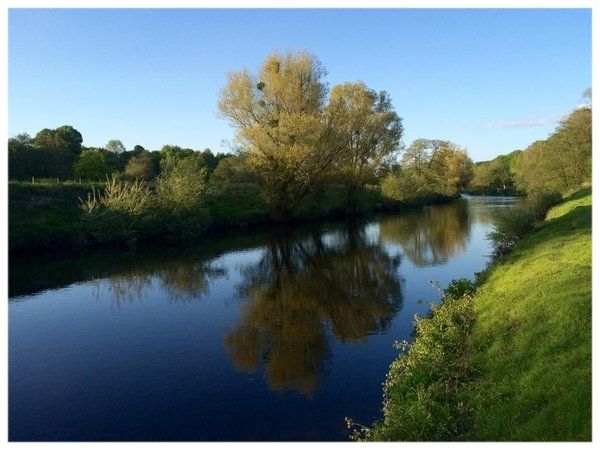
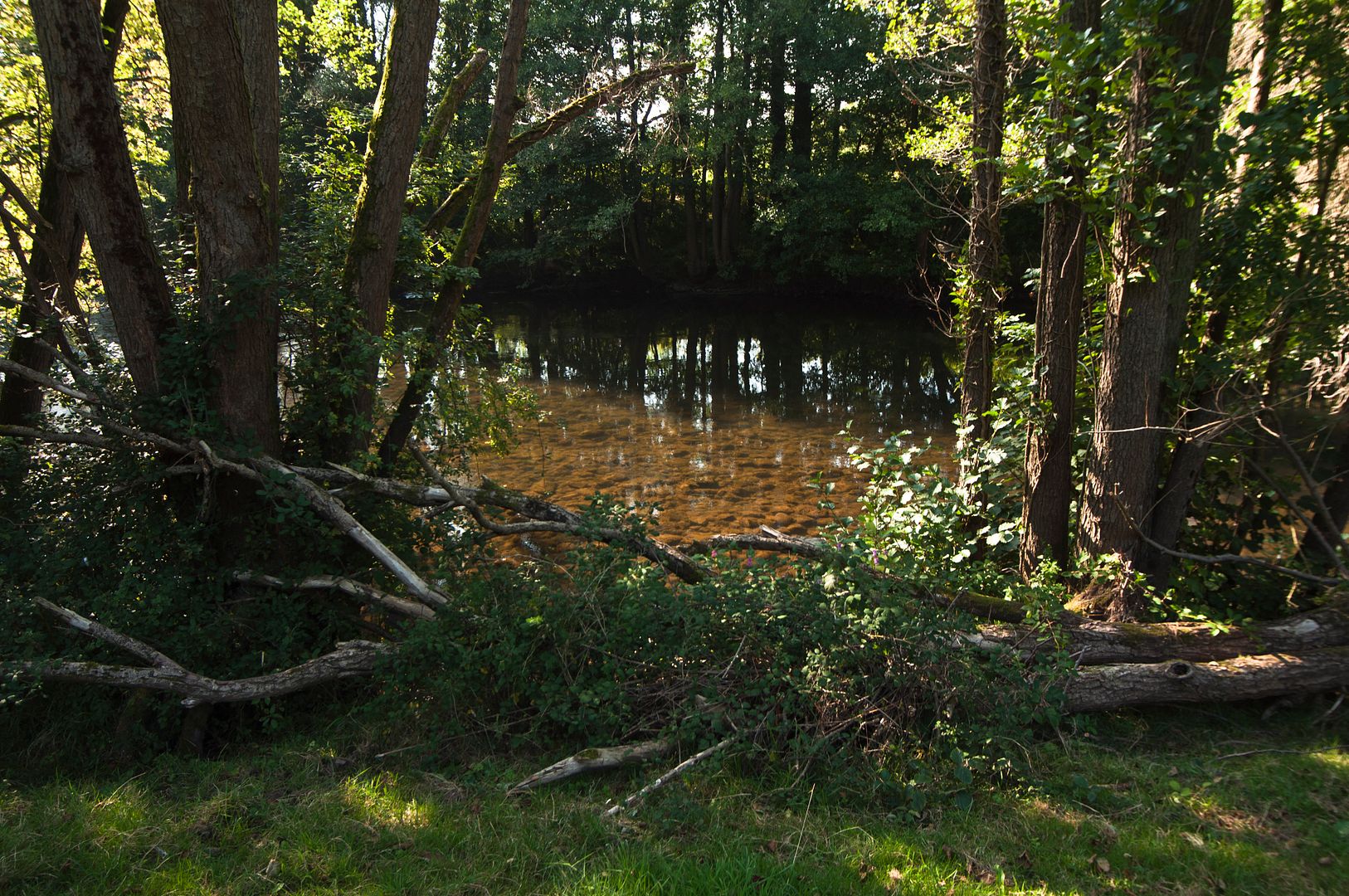
Slow water at Bryn Derwen


Ken cutting (image: John Poutney)


How did I get here?

It was gone eleven thirty. The air temperature had dropped and I could just make out the daubenton bats surveying the shimmering river. I was up to my waist in water, hoping the twang of an elastic band would dry my glow in the dark fly. There were no rising fish.

Then it hit me: at home there was a nice cold fridge with nice cold beer, and a nice warm bed with a nice warm wife. So then, why the hell was I stood in a river twanging an elastic band? 
                                                                         ...........................................


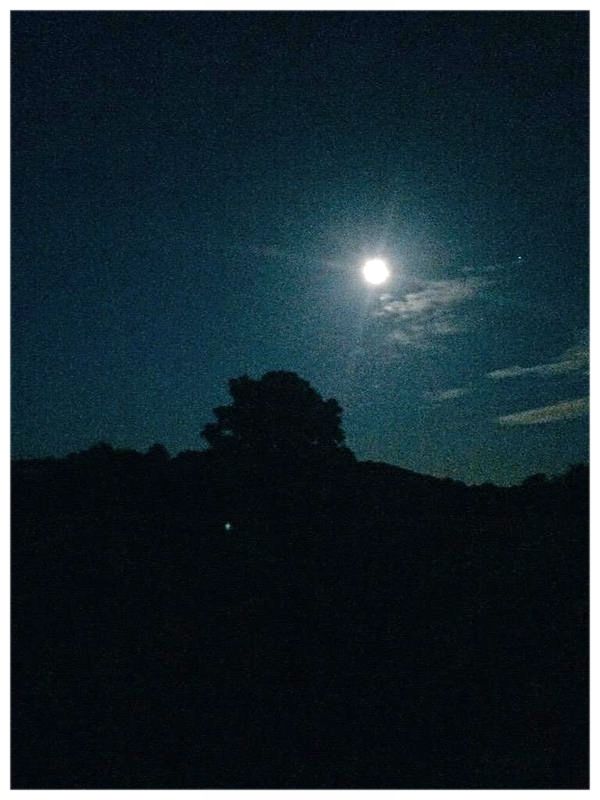
July moon


A significant hatch?


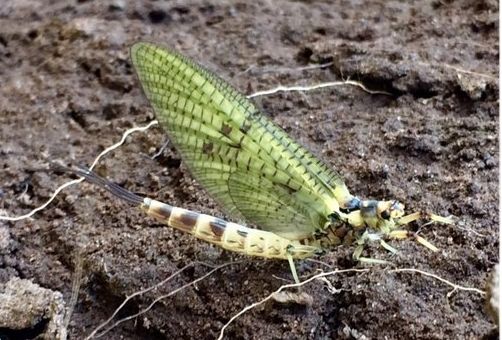
There was a sustained but moderate mayfly hatch that started during the second week of May and continued well into August. By the end of May, there were occasional fish rising throughout the day. These trout were often selective, targeting the danica and ignoring the sparsely hatching smaller upwings, sedges and terrestrials that were sometimes taken by other fish. 


Danica mayfly

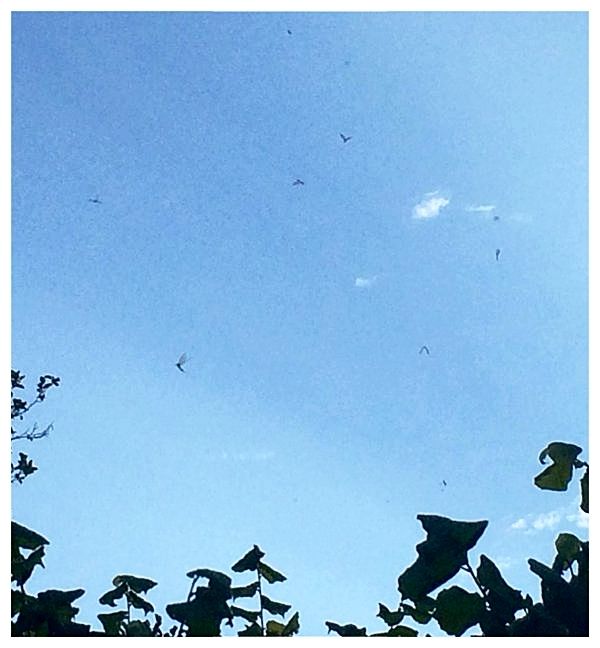
While hatching mayfly were observed on warm July afternoons, the largest hatches occurred later in the day with the most intense I witnessed occurring on an early evening during the third week of July. 


In the trees - Usk mayfly, 20th July 2015


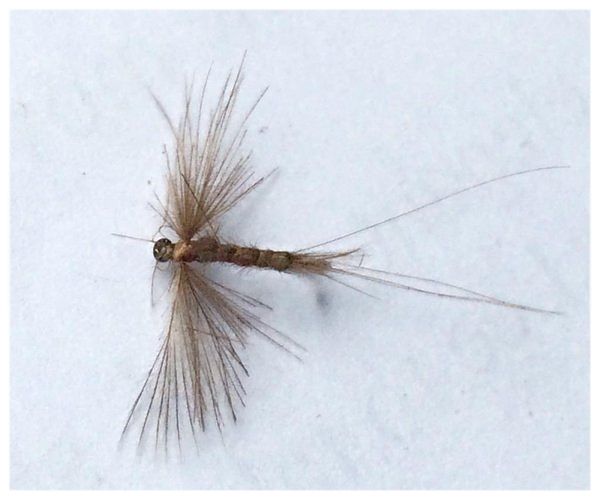
I took a good number of fish on mayfly spinners, often having to change from my usual B-WO spinner pattern to tempt those responsible for the clearly recognisable rise forms. 


Last of the danica spinner feeders, 10th August 2015

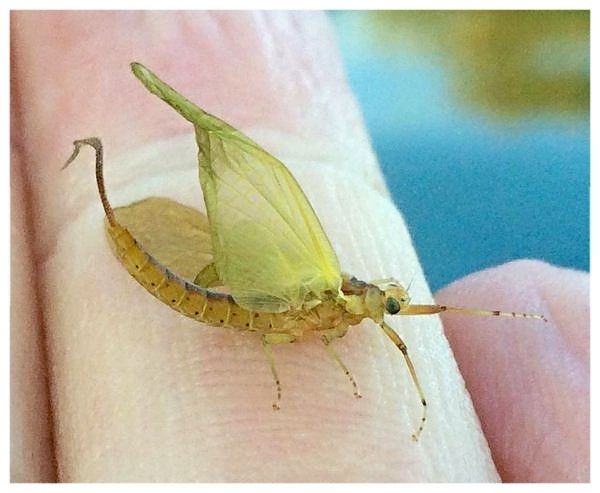
I also observed the rare yellow mayfly on four separate occasions, and even saw a small trout take one. This mayfly is only thought to hatch in the Wye and Usk catchments and was once assumed to be lost. 

Potamanthus Luteus - River Usk, 25th July, 2015


In summary, the mayfly hatch or spinner fall was rarely intense and not all fish responded enthusiastically, but I certainly benefited from the emerger, dun and spinner patterns in my box. 

A significant hatch for the lower middle Usk? Sometimes.


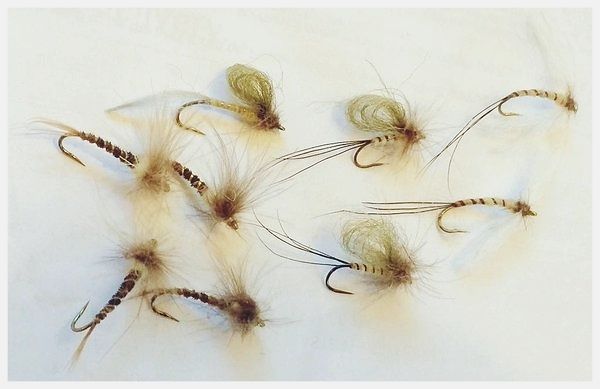
PP mayfly emerger, PP dun and spinner patterns


Blue-Winged Olives

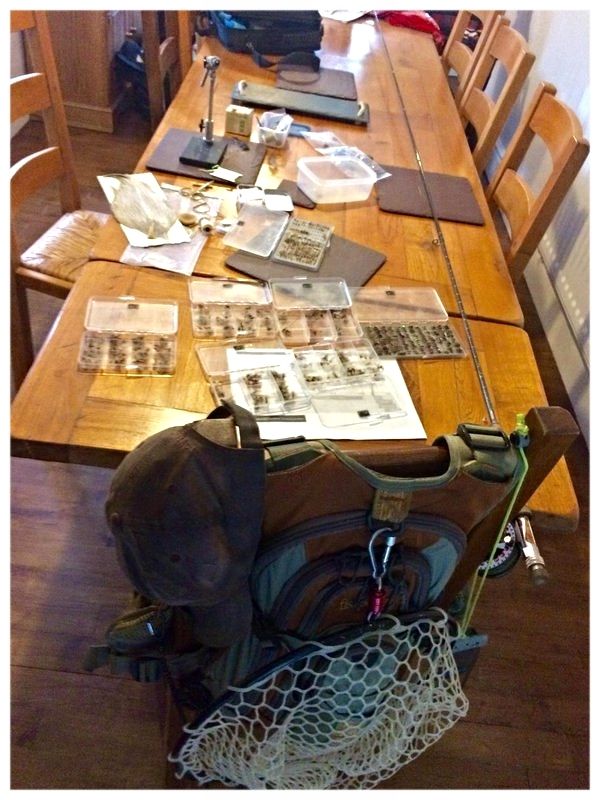
Evening fishing didn't really get going until the blue-winged olive (B-WO) became abundant in mid June. At that time of year, if the weather suits, I'll be on the river for the last hour. The Streamflex is rarely disassembled, and invariably the dining room is strewn with fishing and tying equipment. On these late evenings the fish respond enthusiastically to large B-WO spinner falls and, often intense hatches, into the darkness.


A tolerant wife...


The spinner falls provide some of the best sport to be had in these parts and by the second week in June there were numerous large fish feeding hard.


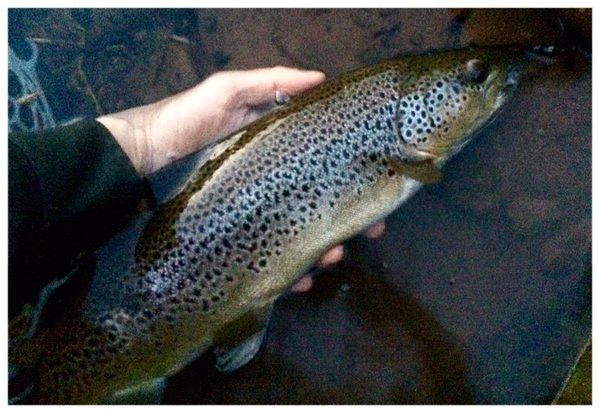
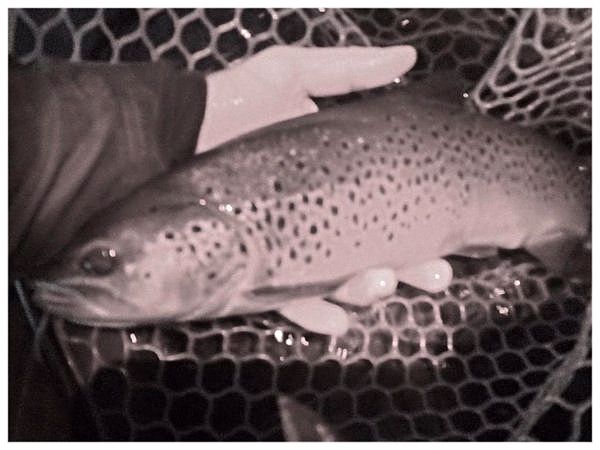
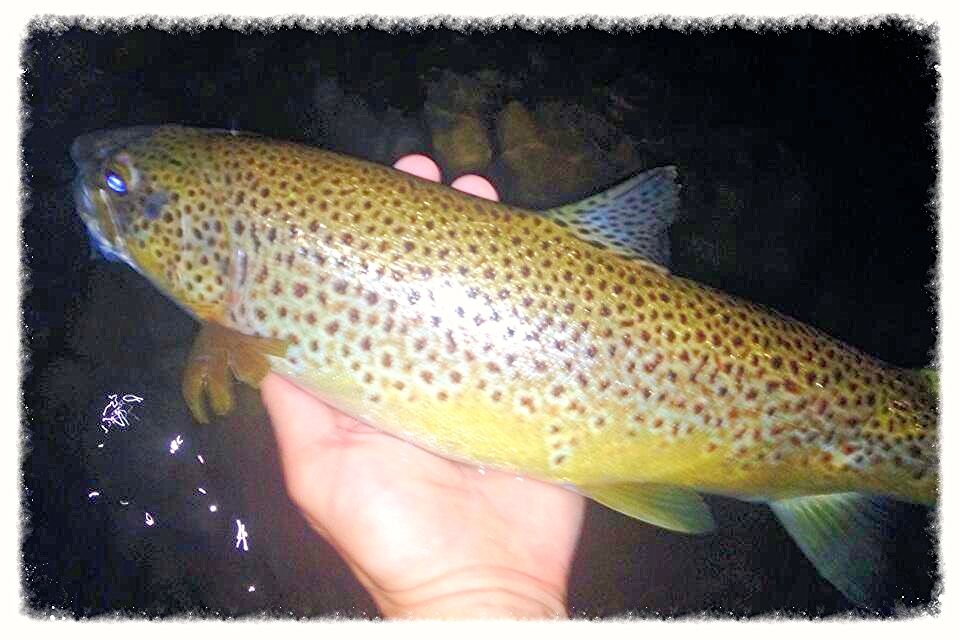
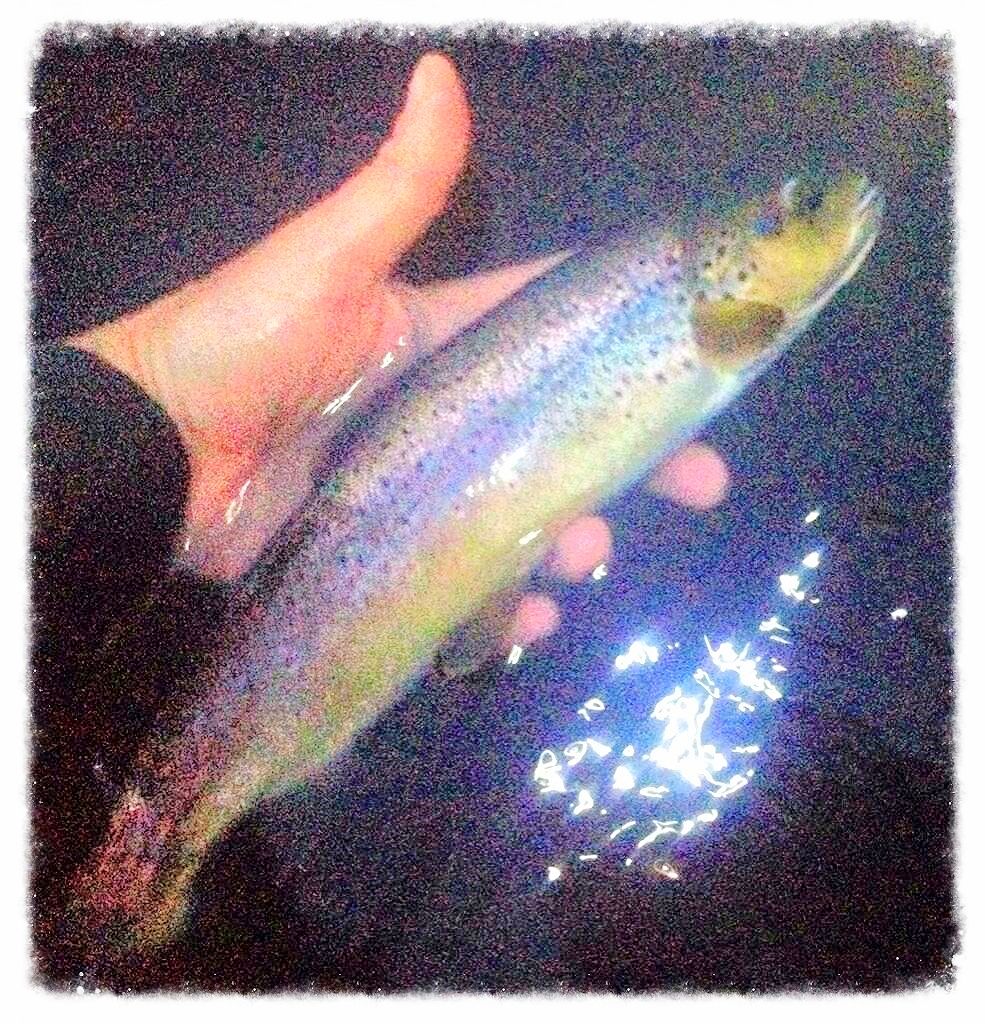
Dusk trout, 16th June 2015


In the dark


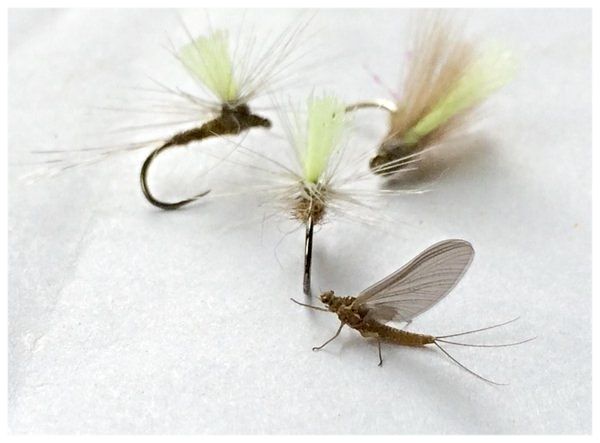
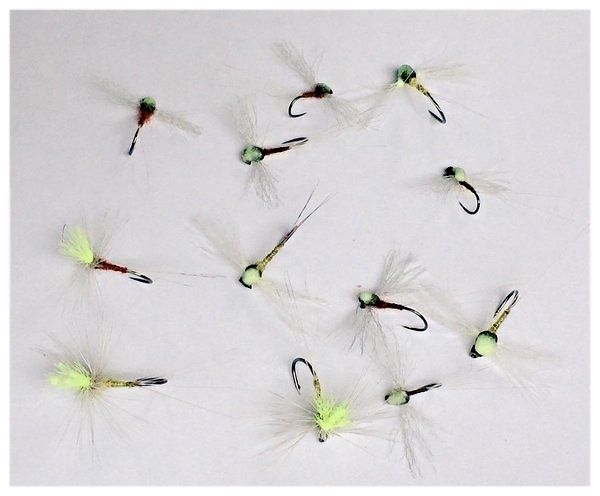
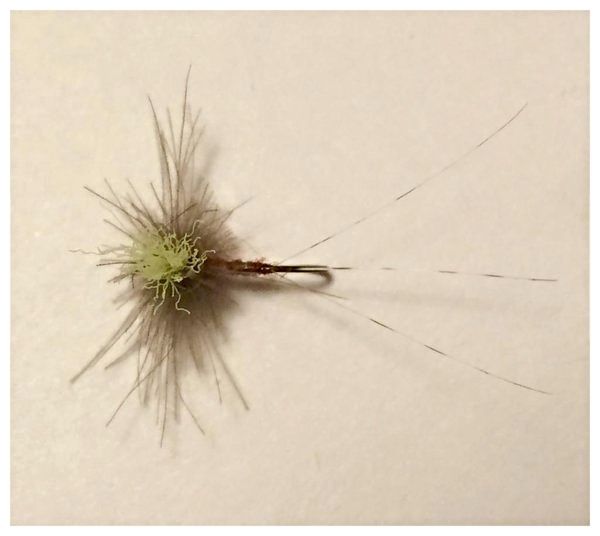
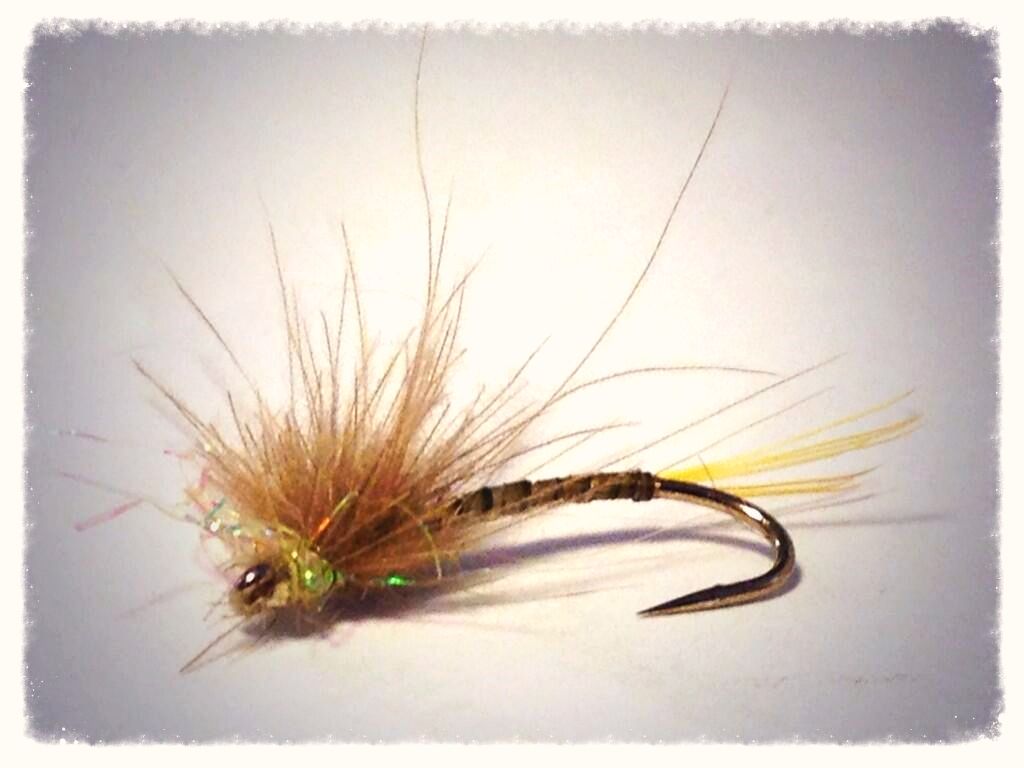
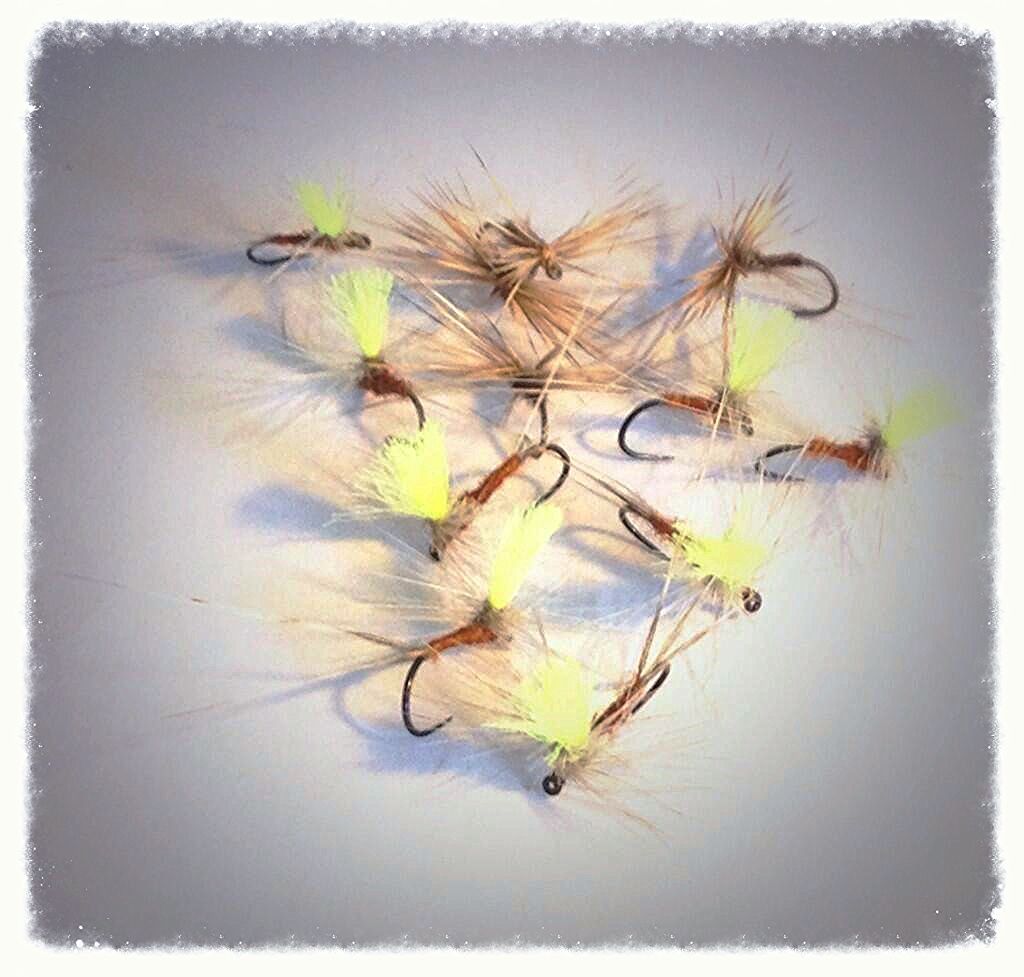
On bright sunny days B-WO hatches often start 30 mins before dark and, on a few occasions, were of such intensity that there were flies in my beard and down my neck, and I missed a couple of fish when they flew into my eyes. Invariably the trout switch from the spinners, and emerger and paradun patterns with a fluorescent green post came in handy.


Hi-viz B-WOs


As the river is usually low this time of year, it is important to play fish hard in order not to exhaust them in the warm water, and the reel drag needs to be set appropriately to cope with long runs in the shallow water. 


Light and shade (image: John Poutney)


Fish rarely respond to a spinner pattern with the slightest hint of drag. I use very long leaders (up to 20 foot) with 7X tippets and employ short slack line casts. Casting accuracy, including the distance the fly lands above the feeding fish, is important. 

This has been covered many times but, as the fish lie close to the surface, they have a narrow window of vision and do not need to deviate to feed every five seconds or so on the spinners carpeting the river. The further the cast is made above the target, the more likely the fly is to drag by the time it reaches the trout's window. In slower water, I like to tackle spinner feeders square on giving them about two foot 'lead' with large upstream mend. In faster flows, I land the fly closer, often 'high sticking' with no fly line on the water. 


Fast water spinner feeder


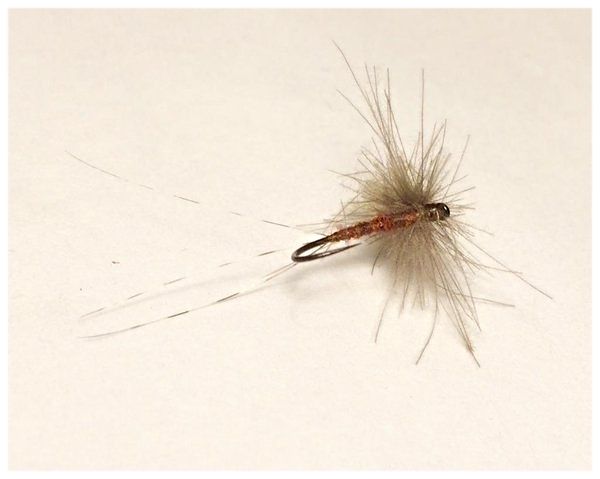
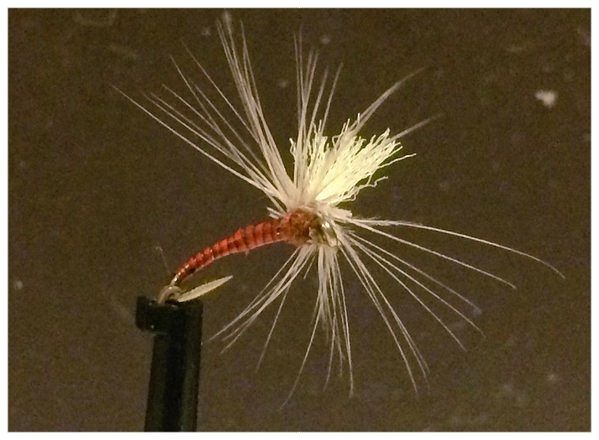
I use a few different spinner patterns, although my stock pattern is the fluorescent posted para-spinner that I have seen used by many anglers including Paul Procter and Matt Eastham. I have also experimented with some success with humpy, spun CDC winged, curved shank and glow in the dark variants.

Although I have Glen Pointon-type glow in the dark spinners in my box, I rarely find spinner feeders in complete darkness on the Usk. This season I think I'll focus on glow in the dark caddis as I have had some success with both dead drifted and stripped caddis patterns in the midnight hour. 


Glow and hi viz spinners 


The spun CDC and humpy patterns work well but are less durable than the standard para-spinner.


CDC para-spinner
From the top
Humpy spinner


I tied curved shank variants after finding that a klinkhammer type emerger, and even a spider pattern, would catch in a spinner fall. Many spent flies are partly submerged in the water's surface and this has been photographed by Matt Eastham and Paul Procter. They also vary significantly in colour, have tails missing and often do not lie in the 'crucifix' position. 


Curved shank spinner


Hard earned

To my mind, catching large fish in a spinner fall provides some of the greatest rewards in dry fly fishing. I can recall evenings from years ago where tens of big trout were rising and I trudged home, broken, having caught only a few small fish. Those experiences spurred me on to solve the riddle. It became an obsession where the next evening couldn't come quickly enough and resulted in hours spent on the river in the twilight.

While I haven't completely cracked the code, in the main, those deeply frustrating evenings are behind me. Time spent away from cold beer and warm wives has paid off. 

I'm always learning but it feels like I'm getting there. 


Summer light  (image: John Poutney)

Friday, 1 August 2014

End of the Day - River Usk, Summer 2014

No Rain

Despite maintaining good levels for the first half of the season, the Usk catchment has not received significant rainfall since late May and the bones of the river are on display.

Hot dry spells dictate that I fish mainly in the relative cool of the late evening, or early morning. A busy work life, a dislike of most TV programmes and close proximity to the river results in many summer evenings spent fishing.

Home Visits

During the first half of June, I had the pleasure of fishing (on two separate days) with Kris and Nicholas. We caught quite a few, but didn't land the prized Usk two pounders that I had hoped for, and the nymph fishing was far less productive than earlier in the year.  


Kris Kent - big man, small trout
Nicholas - the spectra nymph does it again!

Nicholas arrived the evening previous to our day and we stole a late hour (before returning to watch his nation lose in the World Cup). There were a few fish feeding and we caught on Yellow May Dun (YMD) emergers and Blue-Winged Olive (B-WO spinners). The B-WO spinner falls hadn't started properly but this provided a taste of things to come.


YMD emerger

Early Evening

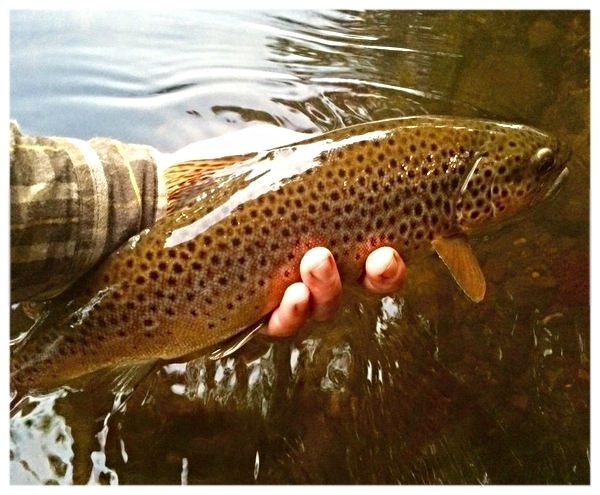
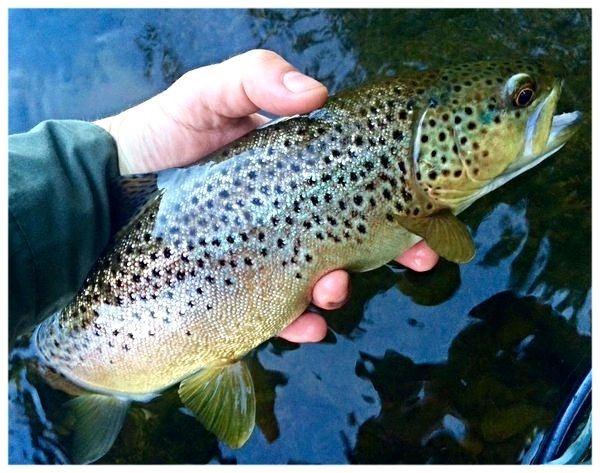
I started evening fishing during a warm period at the end of May. The fishing was erratic on those early summer evenings but the first few sessions provided some excellent sport. One memorable evening saw more than ten fish landed, with none under twelve inches. The largest was a lean old nineteen inch cock fish with a fierce kype and teeth that cut my finger.


Kyped cock fish
All of those fish fancied my spent CDC & Elk a fly that, since the egg-laying grannom in April, had served me well during the day. That it was the wrong colour to imitate many of the upwing spinners (mainly YMD) on the water didn't matter to these early (less selective)summer fish.


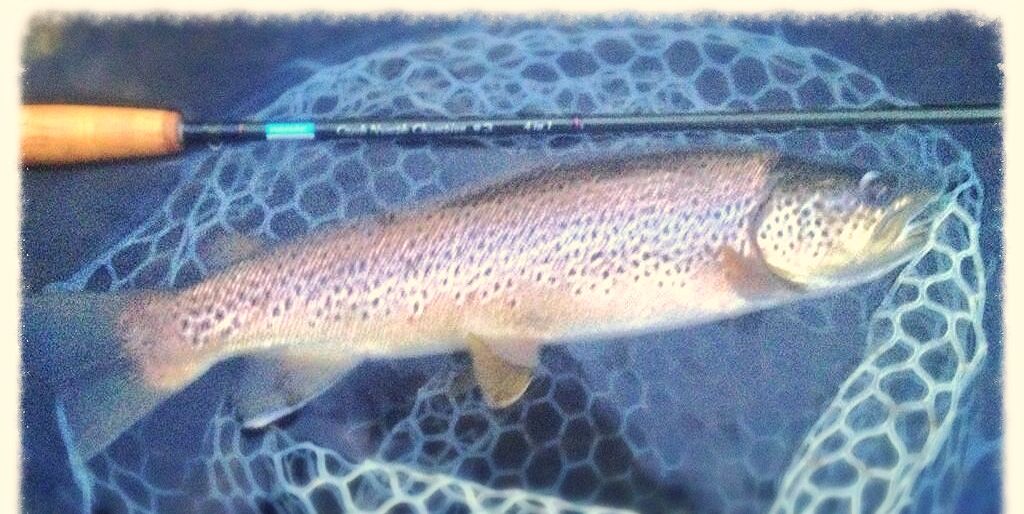
Purple Haze - Usk trout
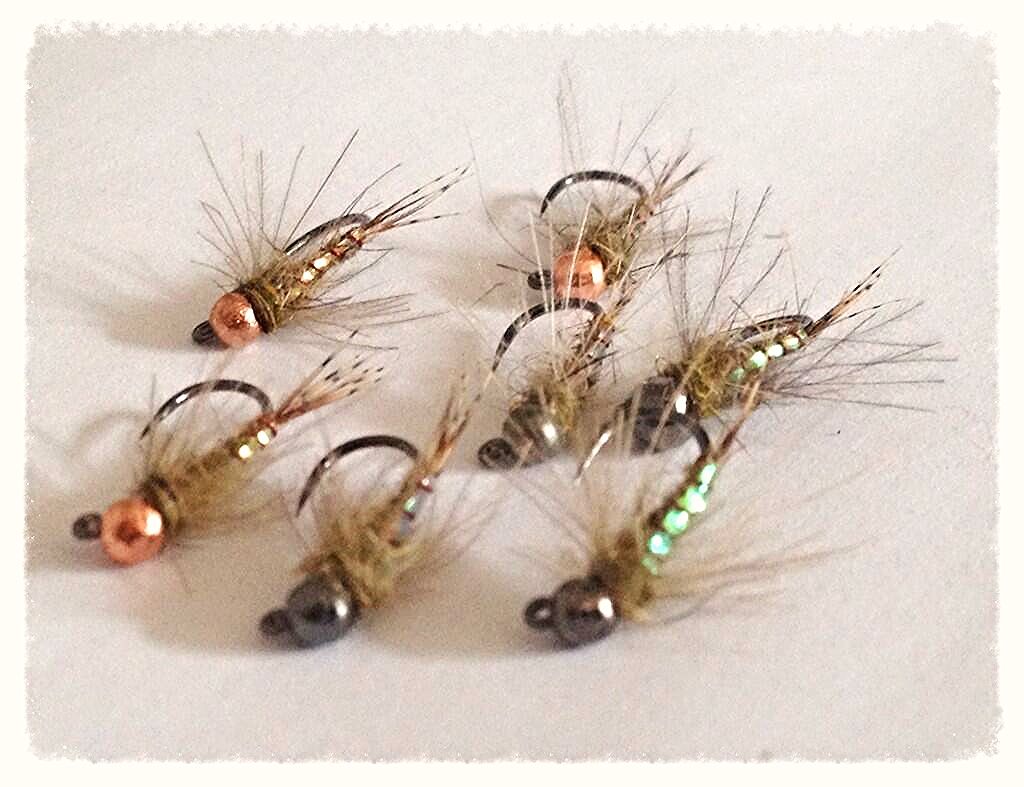
When there was no surface activity (mainly in the early evenings) I fished nymphs, or I should say, a nymph (see below). Apart from a few to a cased caddis pattern, all of my nymph caught summer trout fell to this olivey jig nymph.

Small nymphs for the Usk in summer

Hook: Size 16 or 18 jig (Hannak or Fulling Mill)
Bead: 3mm, 2.5mm or 2mm Copper, black nickel or plain tungsten
Tail: Partridge
Body: Natural hare mixed (2/3) with olive hare (1/3)
Flash back: Pearl mylar or UV blob tail
Rib: Fine red wire
'Hackle': A turn of fine CDC
Collar: See body


I tied the nymph in the style of Craig McDonald's popular 'Duracell' and another nymph fished by Nicholas Steadman. A conversation with Nicholas (and noting his success), made me focus on the profile and resultant silhouette of the pattern and convinced me that partridge would provide the best material for the tail.

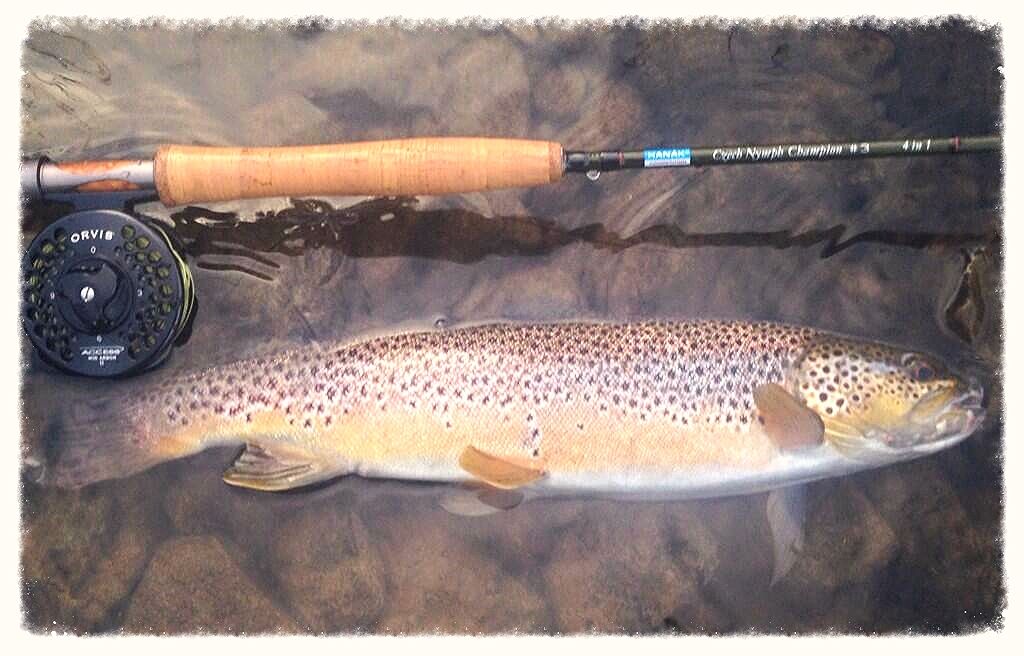
The first time I used it, I was fortunate enough to be lent a Hannak Czech Nymph rod to try out by Gareth at Harvey Angling. The high water temperatures drove me up river to a beat with numerous fast runs. That night, I caught many fish at the head of fast runs, with the biggest fish often holding right at the top.

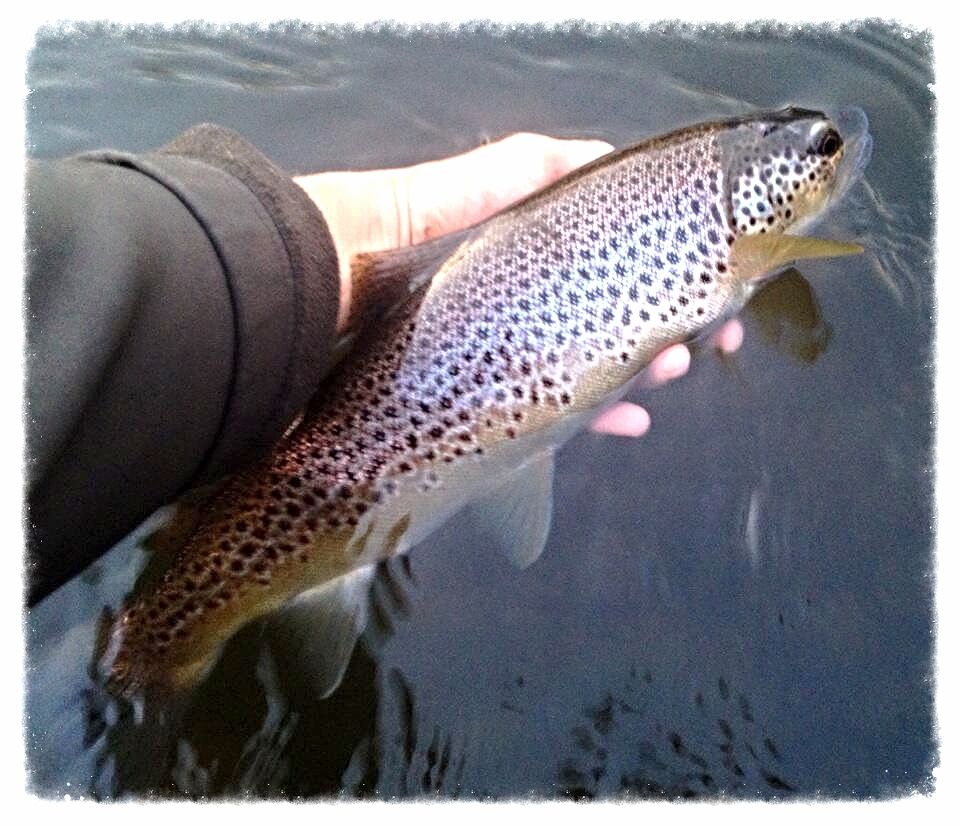
Usk Leopard

In low, clear conditions I either fish a French leader with two small nymphs or, more often, I 'high stick' a very long tapered leader with a duo set up.


Early evening nymph feeder


Another to the summer nymph

High Summer Spinners

In high summer the larger Usk trout usually start rising in the last hour before dark. An upwing spinner fall will see them feeding hard into the dusk, and some nights they can be heard crashing caddis until the small hours.


Caught on a skated bleached elk hair caddis
I
employ a only a few spent fly patterns in various sizes: in the early summer the (previously mentioned) spent CDC and Elk; when the Danica mayfly are on I use a spent mayfly pattern and, when the B-WOs are prolific, I use a Paul Procter para spinner. The latter is my most successful spinner pattern and the fluorescent yellow post is visible in very low light levels.


Spent CDC & Elk and PP Para Spinners


Drag and mircro drag are sport killers when fishing spent flies and, to minimise this, I move as close as I can to the quarry, often within two rod lengths. Good wading technique and patience are essential, particularly in low water; it often takes me five minutes to move into range.

When casting to fish, I usually employ a large upstream aerial mend and move the rod tip down stream at the same speed as the fly (or the speed I think my fly is moving in the dark!). I try to get into a rhythm that allows me to fish the fly effectively when it is too dark to pick it out.

Dark wader

I use a 16 foot leader and, to take the flash off the line, rub it gently with a piece of grass held between my fingers. I can't recall where I read or heard this tip but it seems to work. To further reduce drag and ease lift off, I apply mucilin to the back two thirds of the leader.

Early in the season, when fishing big dry flies (such as Large Brook Dun patterns), I caught wily old trout using 5x diameter tippet. This does not work on the low, gin clear summer Usk. I have experimented with tippet diameters (particularly after reading Peter Hayes' book, 'Fishing Outside the Box'). My conclusions are the same as ever: I catch more fish with 7x than 6x and, when it is still relatively light, I struggle to catch any of the spooky summer trout with 6x.  


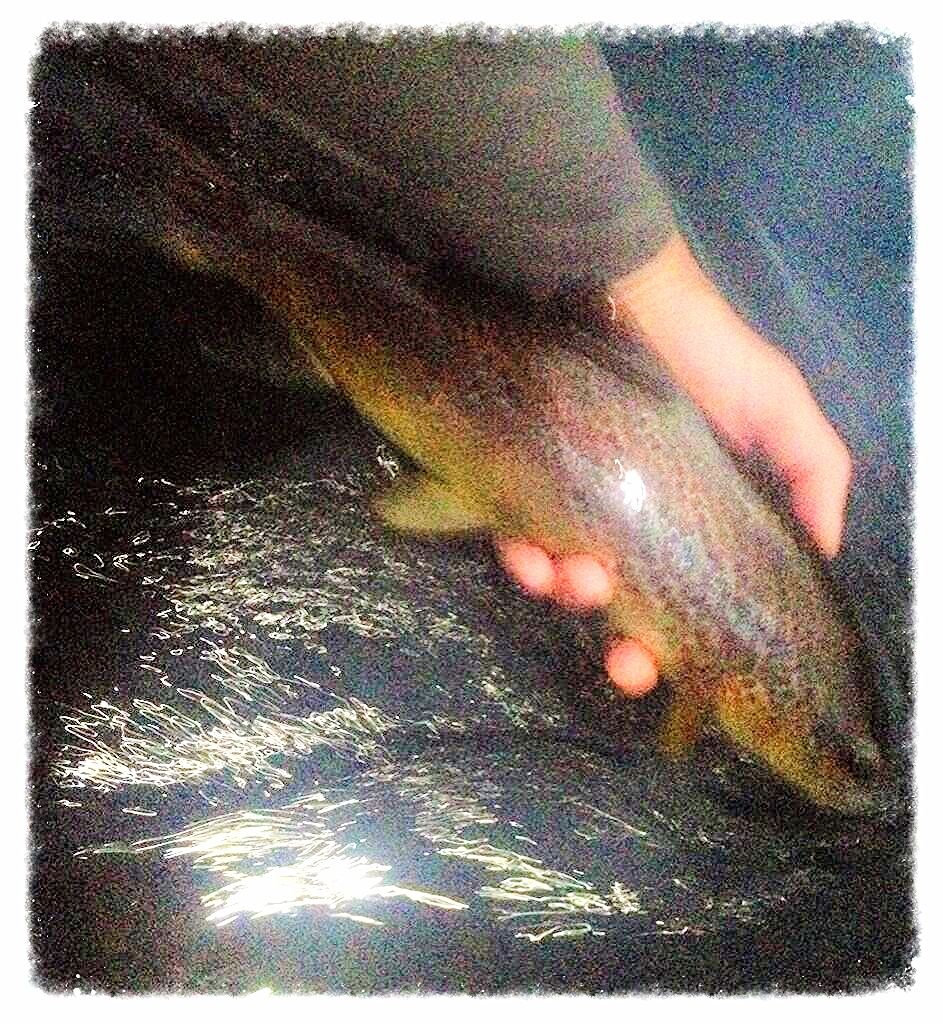
Night release

Those who believe that brown trout are rarely selective feeders should fish the Usk in June, July and August - the surface feeders are nearly always selective.

Reading the rise is important when targeting fussy feeders as you don't want to have to change your fly every few casts in the low light. A few evenings this year, I have gone out for the last hour anticipating spinner feeders only to observe fish feeding on B-WO and Danica duns (I have witnessed B-WOs hatching into the dark on sunny days). These dun feeders would not accept a spinner pattern, but readily accepted a dun.

Selective Usk trout

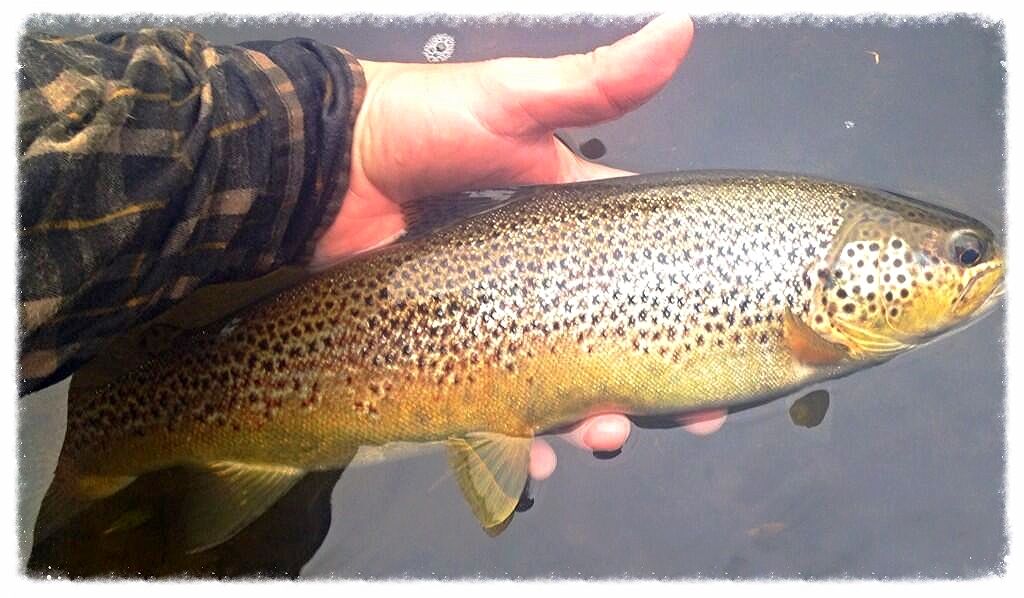
Even in the high water temperatures, the Usk trout fight fiercely with most of the larger fish jumping and running towards snags in the shallow river. I thought the fish below was much larger then the 16 inches it turned out to be and, as it repeatedly ran to submerged tree roots, I feared being snapped. Pound for pound one of the best I've caught - the Manny Pacquiao of the trout world.

Pound for pound...

Experience has taught me that my leader needs to be constructed correctly and I must play fish skilfully in order not to exhaust them in the warm water when using fine tippets. I prefer copolymer tippet and attach it to a shop bought 12 foot copolymer tapered leader using a two turn water knot (always being careful to ease knots down without pulling the end pieces too tight).

When fighting fish in open water, I try to play them on the reel as quickly as possible with the drag set appropriately to the tippet diameter. When I get it right, I'm occasionally rewarded with fish like the one pictured below.
A big fish to a PP B-WO Spinner

Warm Feeling

The walk to the river
There is something very special about summer evenings on the lower Usk, so special that sometimes I barely fish at all. Although peaceful, the quiet is often broken by startled calls of bouncing blue kingfisher, the insect buzz from blossoming lime trees, the occasional splosh of chub as they compete for morsels in the shallow margins and the begging screech of juvenile tawny and barn owls as they wait expectantly in the gloaming for parents to return with their prey.


Usk chub
Occasionally the wildlife can get too close - not that I mind (much)! At the end of one evening I could just make out three fish sipping spinners less than ten feet in front of me. About to cast, I was startled by a loud splash downriver. My first thought was that it was another angler (or a poacher) and so I turned with my headlamp on. Out of the dark two young otters ran up the bank and swam towards my fish. With the torch on I shouted and beat my thigh but they weren't perturbed. The trout, that were lying in the surface, careered off (with the front one moving a significant amount of water)...You can't have it all.

As the forecast tells us the dry spell is (hopefully) nearing an end, I feel that I've taken full advantage of the evening fishing this year; which is just as well. At the end of August, my wife is due to give birth to our first child leaving me to wonder (optimistically) if I'll be out as much next year.

In the gloaming