Showing posts with label Yellow May duns. Show all posts

Friday, 30 October 2015

No Pressure - Spring 2015

Hiraeth - longing, yearning, nostalgia 

I miss the trout season already. Strangely, it’s not the eagerly anticipated dawn ‘til dusk sessions on new beats that I miss the most, but those stolen hours on the Usk by my house. I must be getting old. 


I feel the need to relate an entire season’s worth of thoughts and experiences but, for now, I'll restrict myself to the Spring and on this unseasonably warm October evening I hold high hopes that the fish overwinter as well as they did last year.

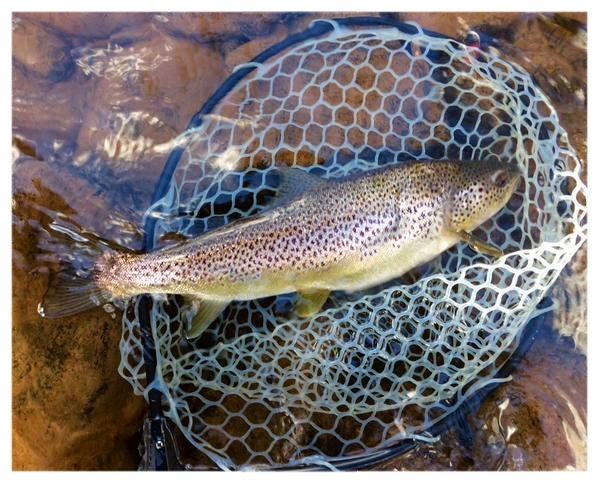
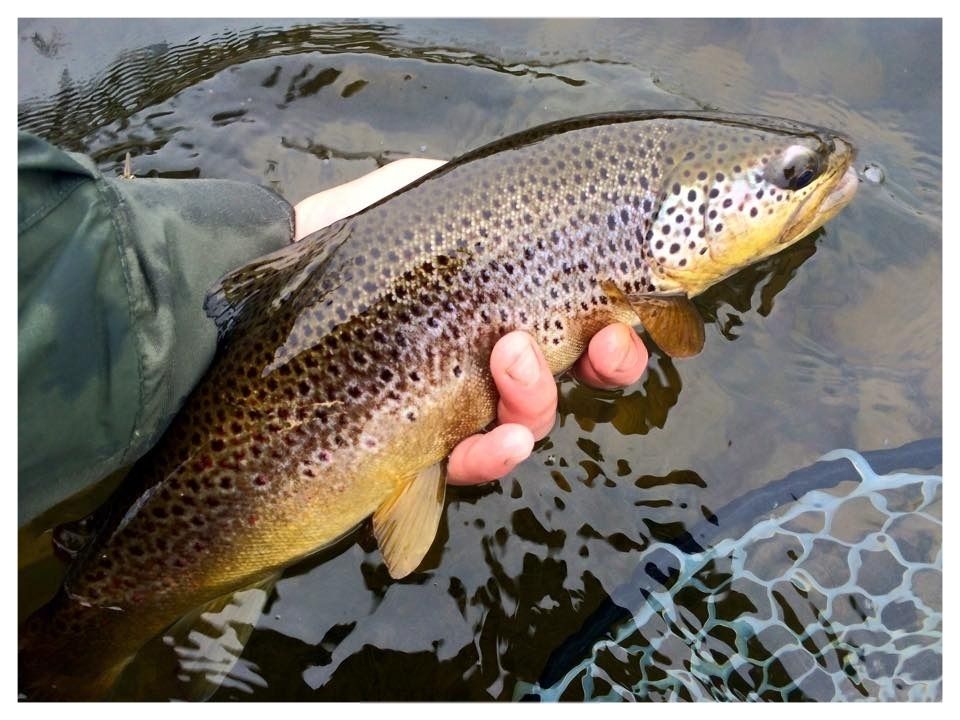
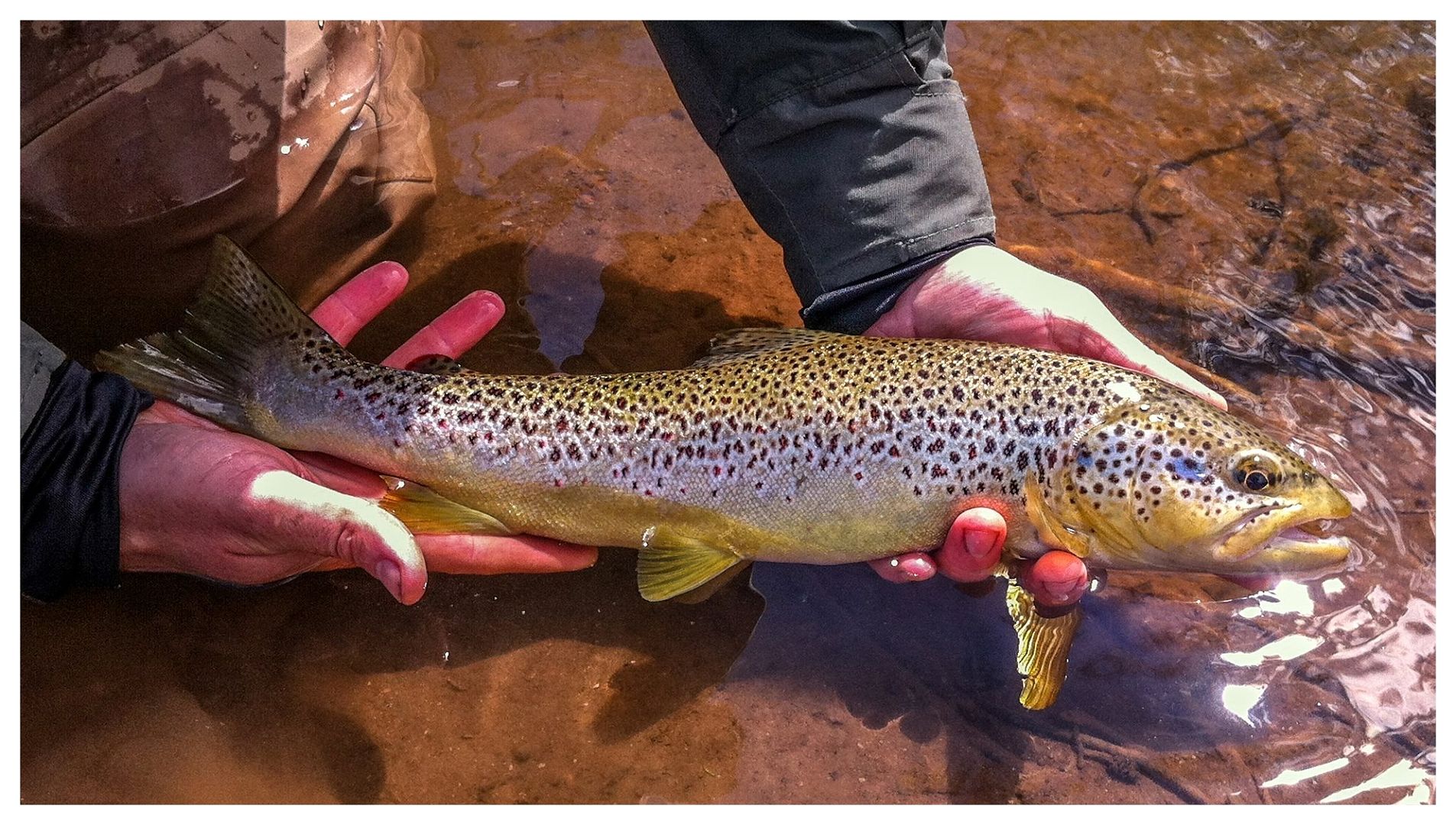
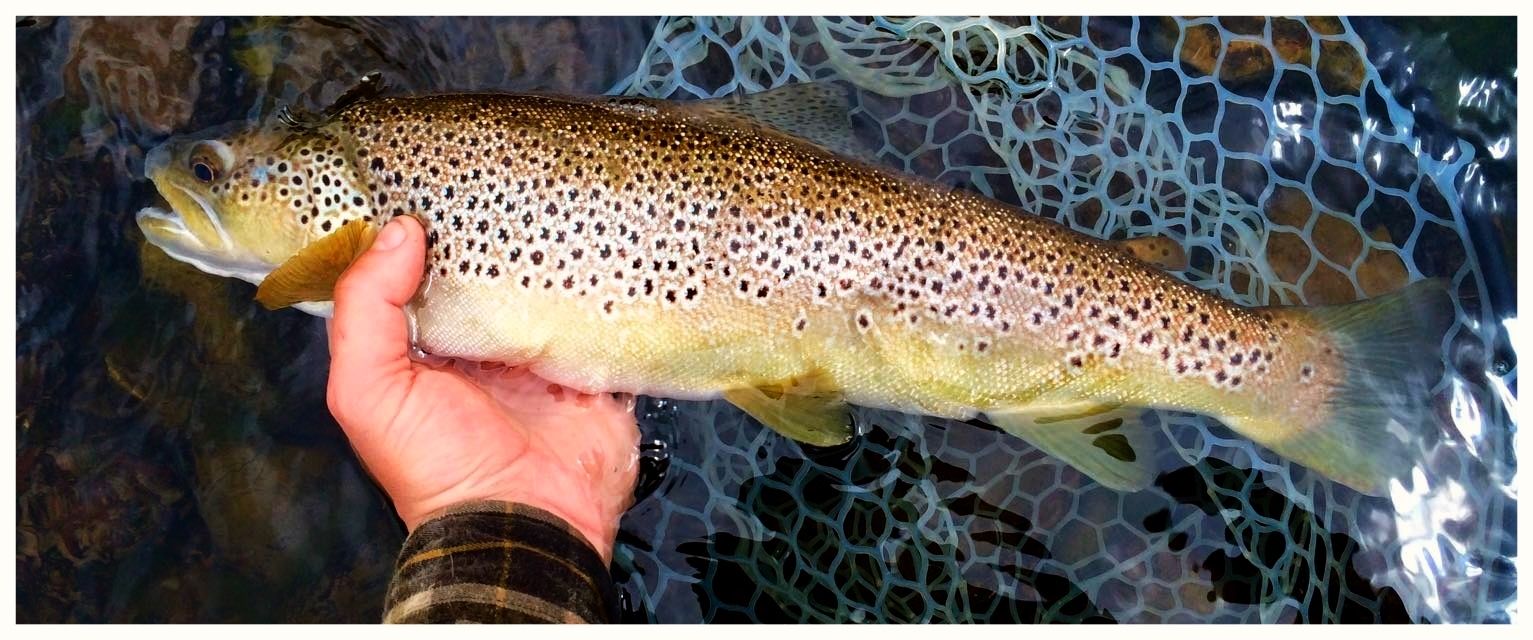
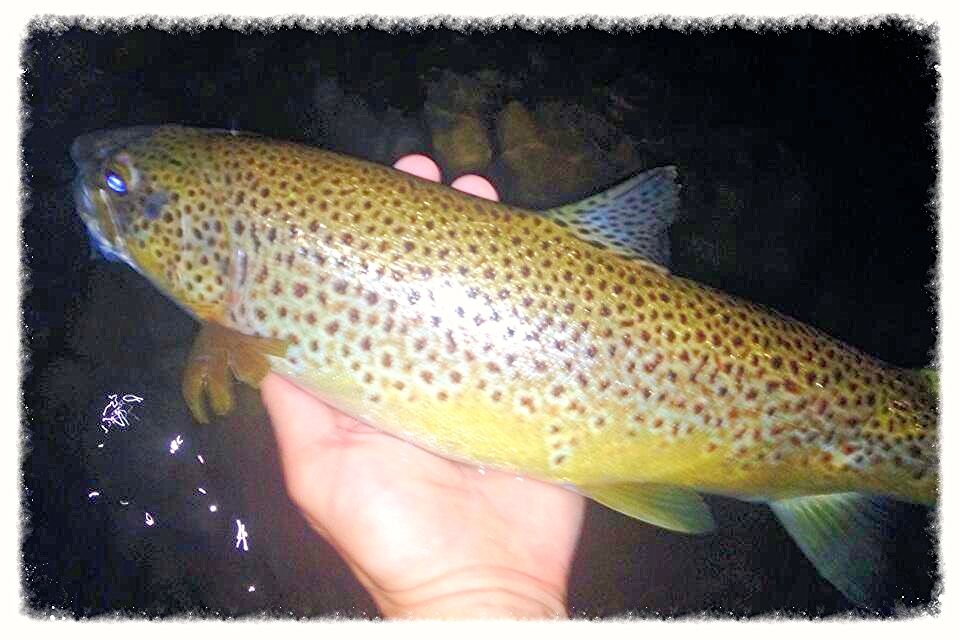
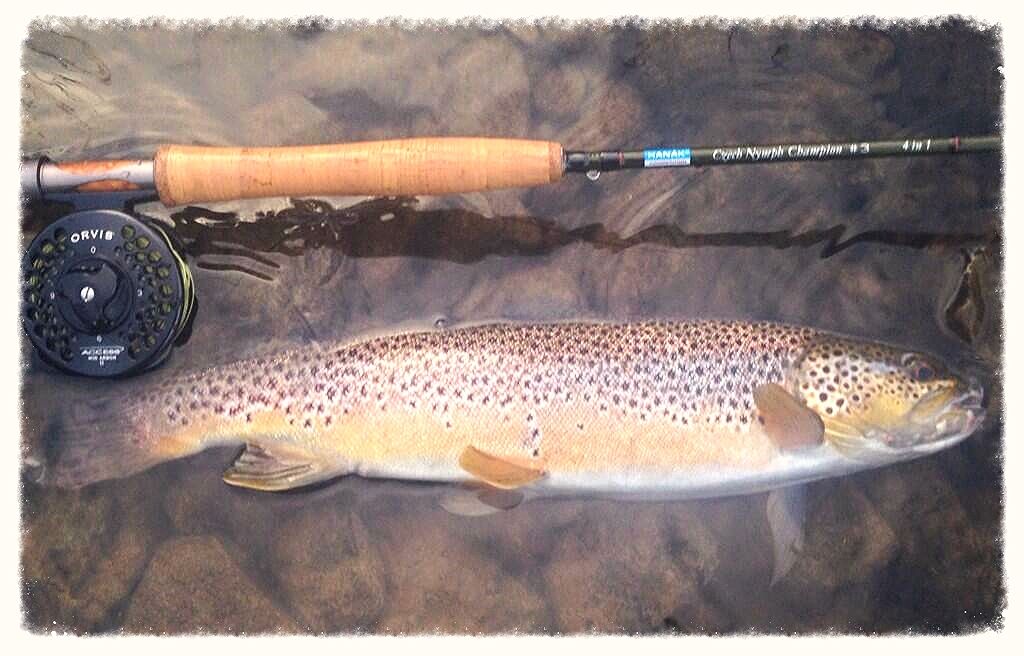
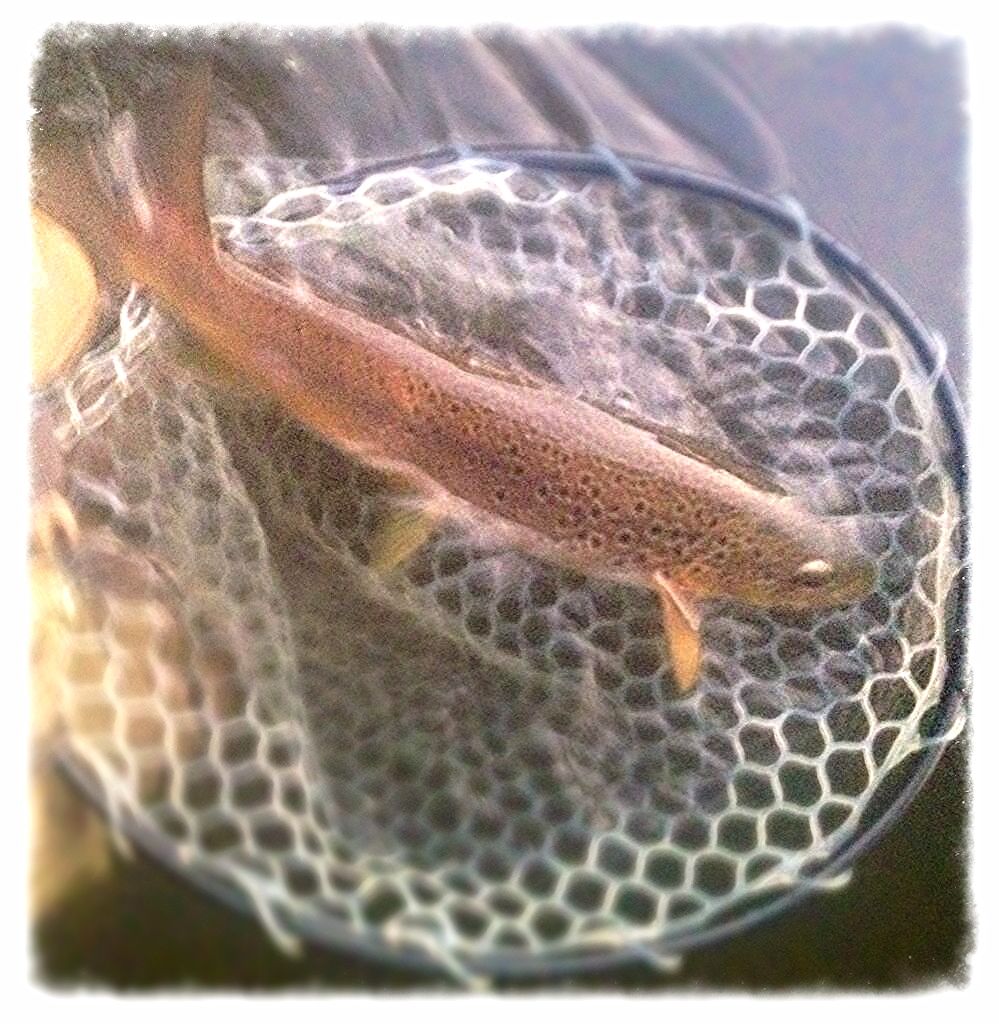
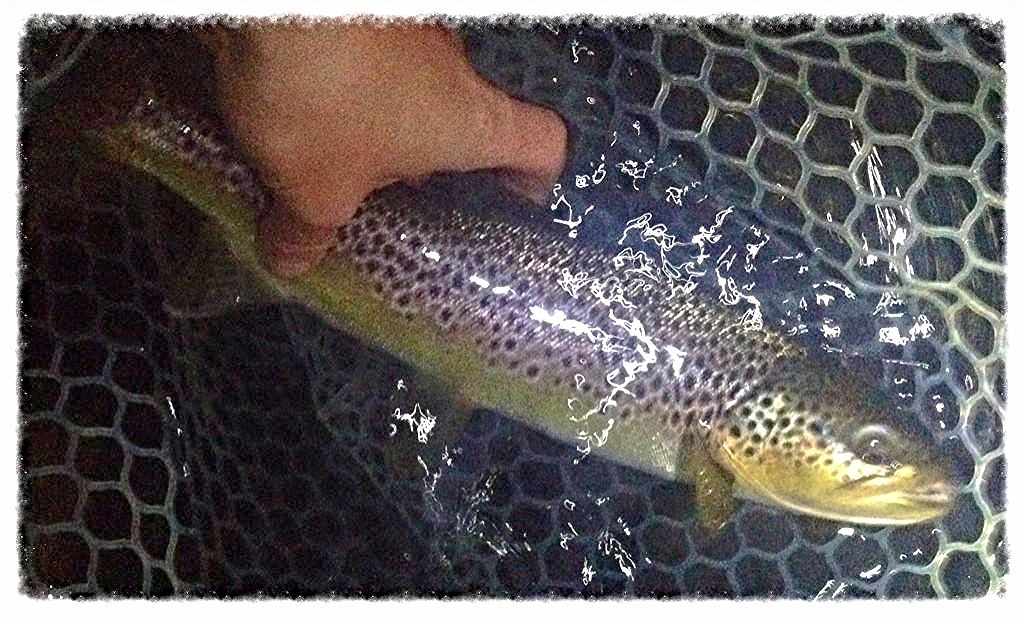
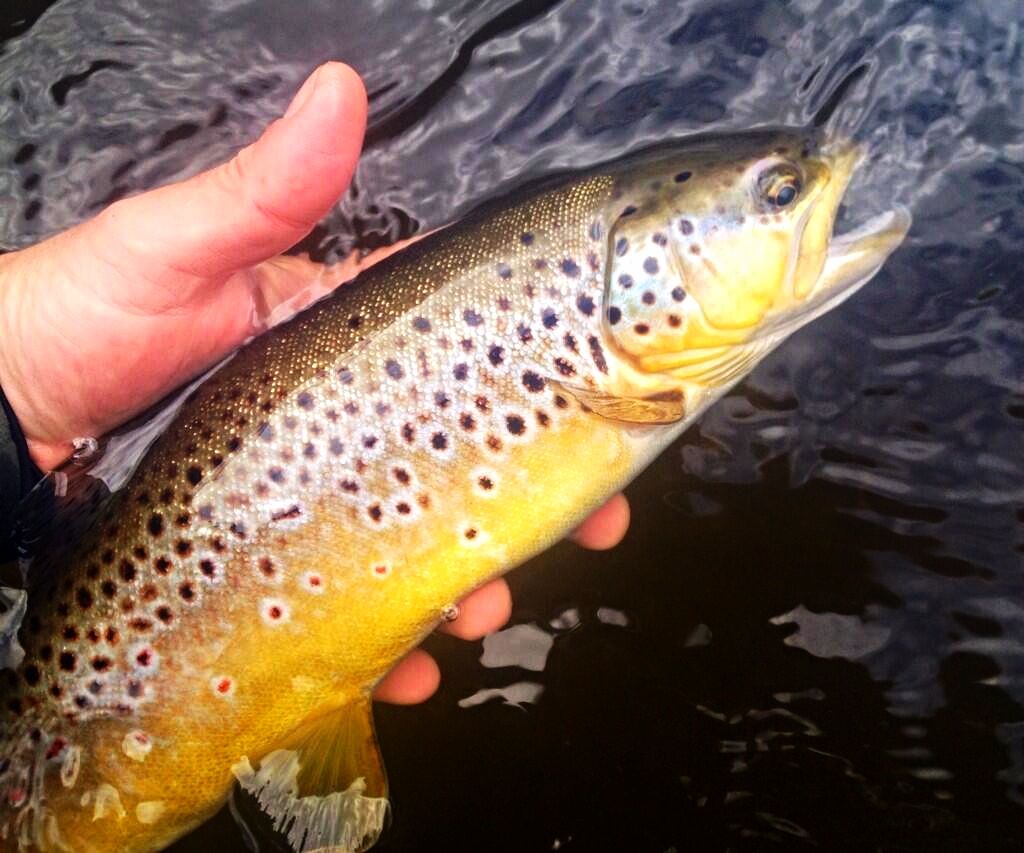
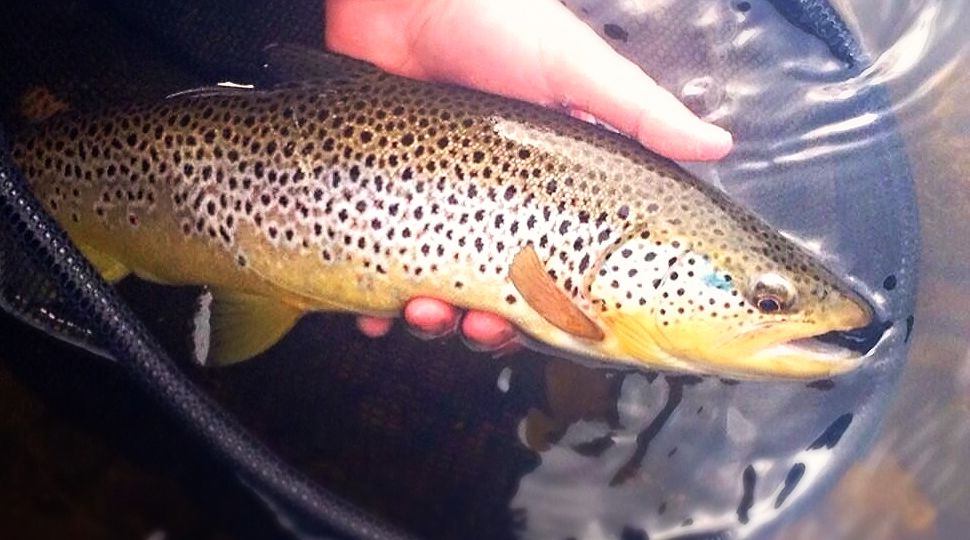
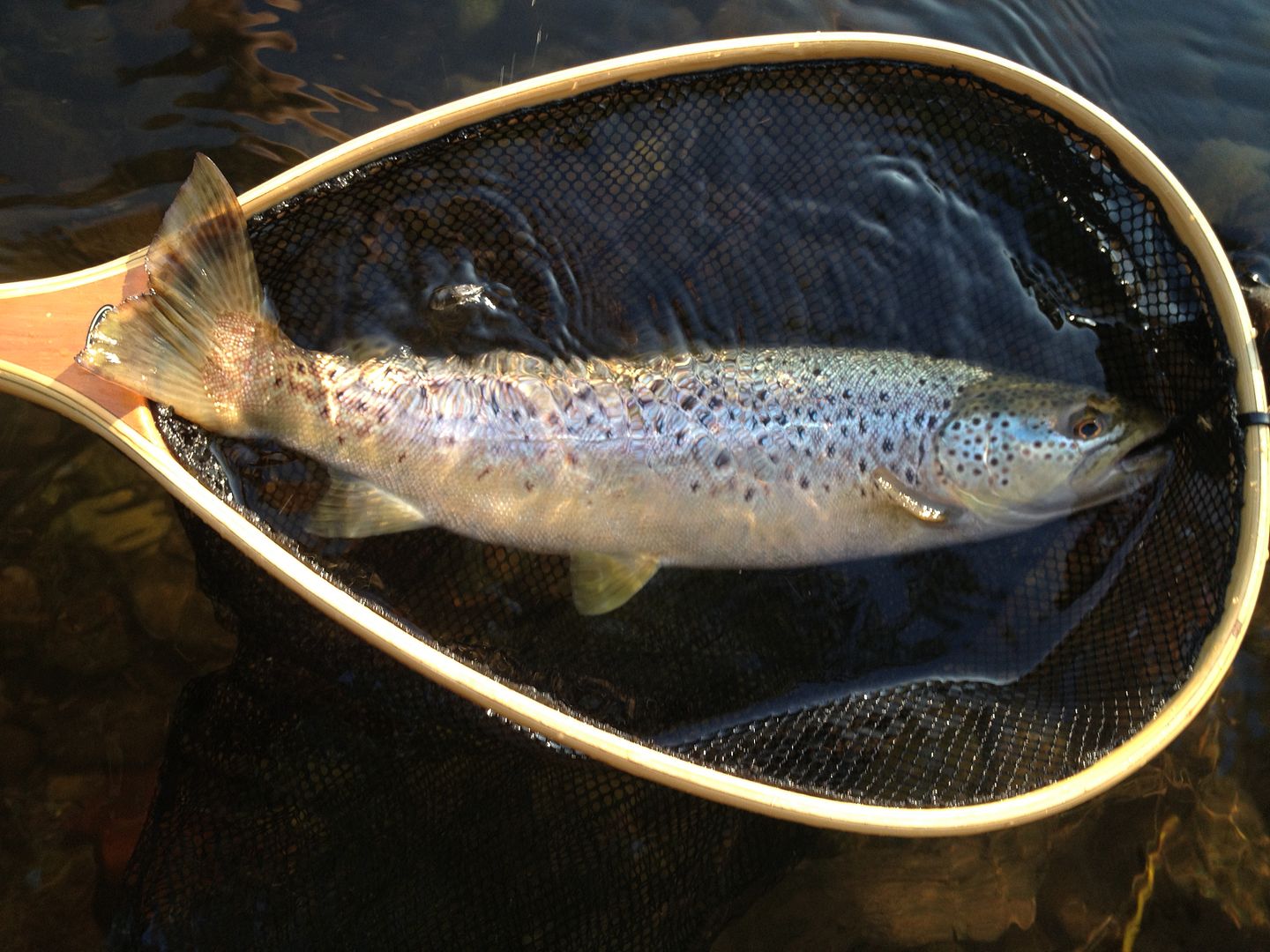
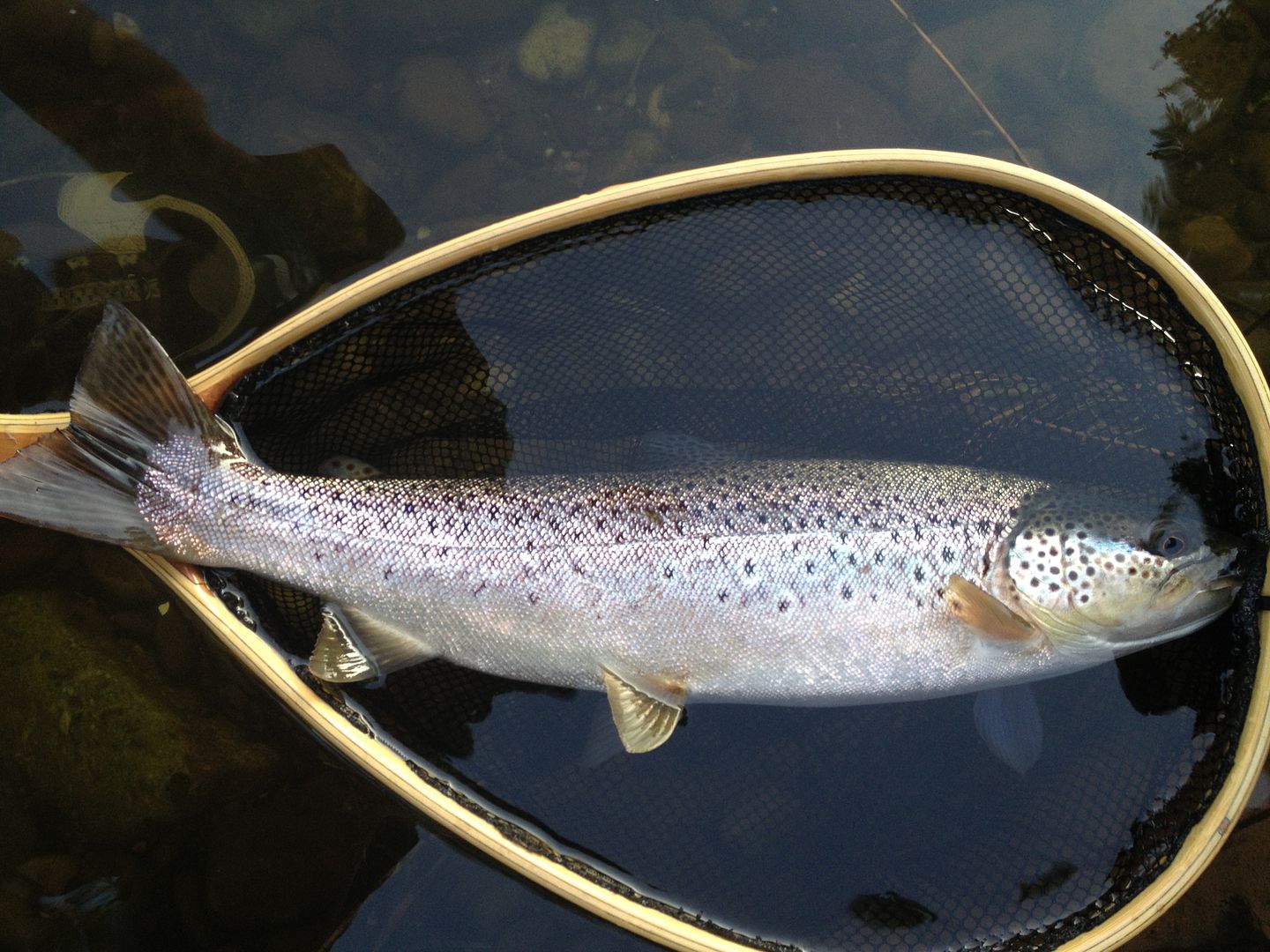
A fat Usk trout, March 2015


Spring low

Following the mild winter, the cold dry spell in March and April resulted in some of the lowest early season Usk levels on record. At the lowest point, I noted half a dozen dead trout and a dead salmon on the Bryn Derwen beat. I also observed a fish go belly up on the Eden, momentarily concluding it was the strangest rise form I’d ever seen! I suspect that these mortalities were a result of the harsh conditions, a combination of low levels and diffuse pollution. 

Dead salmon 


Grannom

The grannom hatch proper commenced in early April and as one of the most eagerly anticipated periods on the Usk it attracts anglers from far and wide. This year was no different and ‘hatch chaser’ Paul Procter enjoyed a long weekend fishing the Bryn Derwen beat and Gwent Angling Society water.

Unfortunately (for me) I had to work on the Friday and had other obligations on the Saturday. It was a torturous test of will and commitment as a husband as I knew the grannom were hatching in force and had this confirmed by Paul over a pint or two each evening. At least someone was making the most of it.

I had pinned all my hopes on the Sunday as Paul, Dave Smith and I were due to fish Bryn Derwen. Sod’s law dictated that we awoke to a howling gale and, as I lay in bed listening to the windows rattling, I anticipated a difficult day ahead. Thankfully, my guests caught a few fish including Paul’s 19 inch adult grannom feeder. 

Paul's adult grannom feeder


A trip north

In the latter half of April Dave, Morgan and I ventured north. I had never fished the Rivers Eden and Ure and, despite a busy schedule, couldn’t pass up the opportunity to do so with two good friends. We stayed in Hawes, fishing by day and consuming beer and whisky by night. The rivers were low and clear and the fishing was challenging, but a good number of fish were returned to grannom emergers and nymphs. 

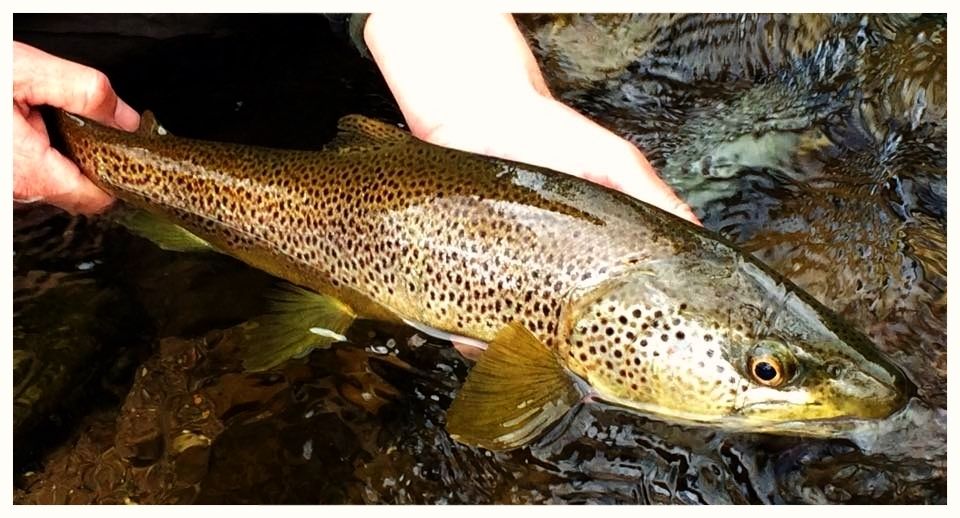
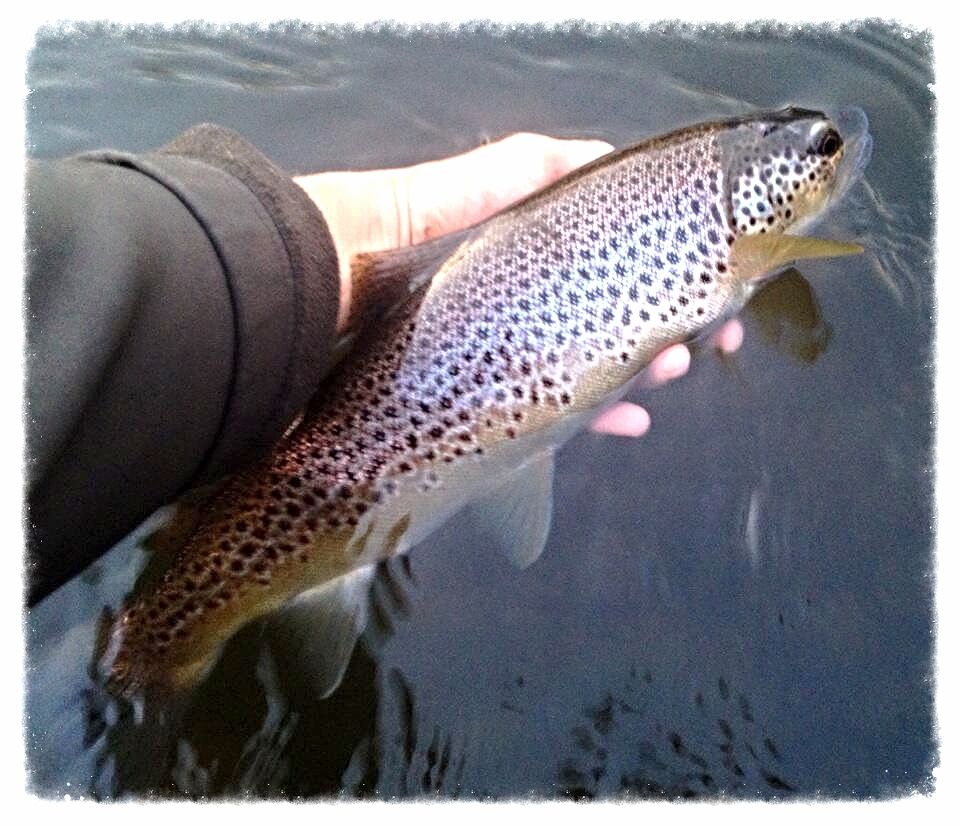
Appleby  trout
Eden Grannom

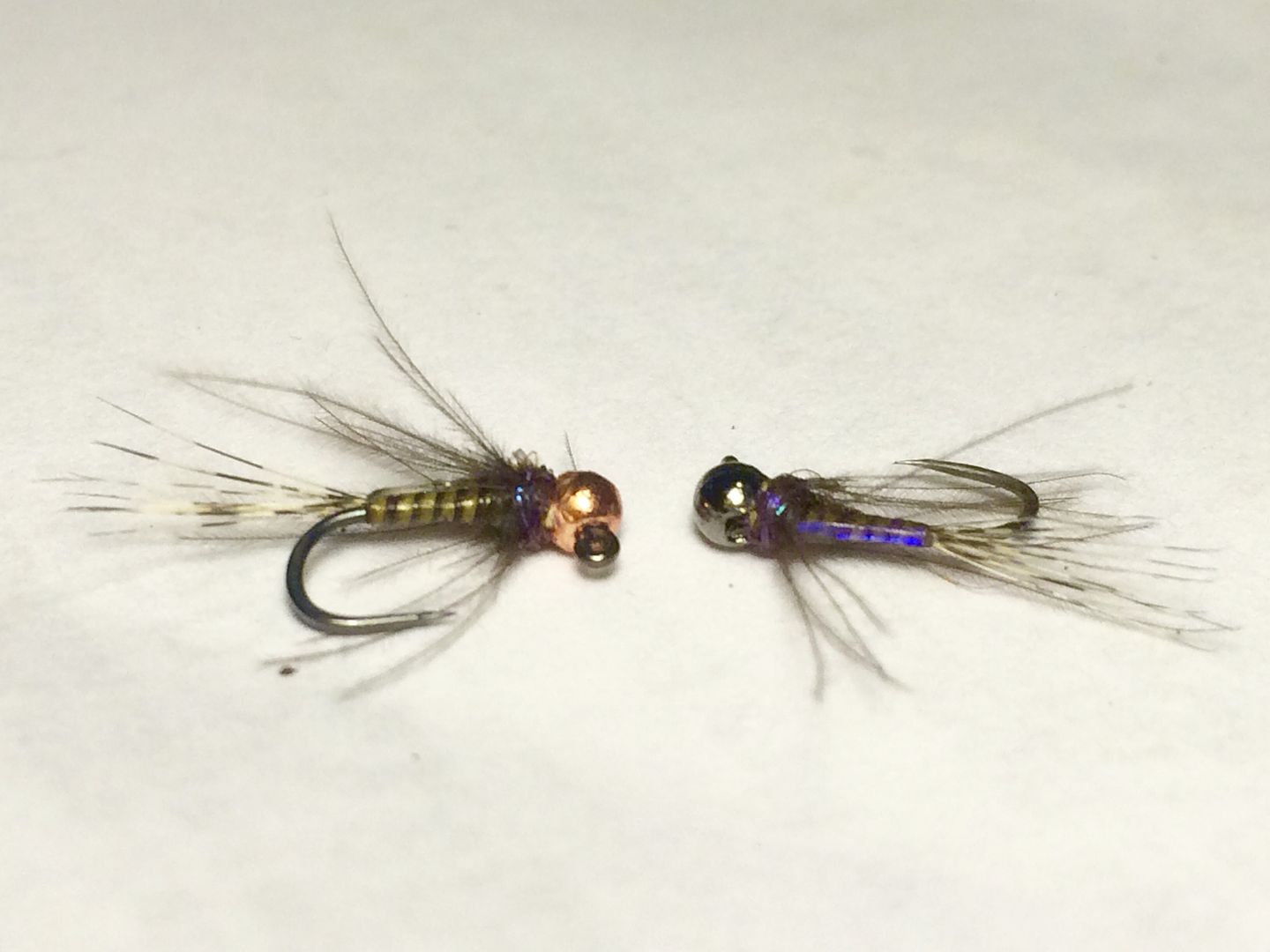
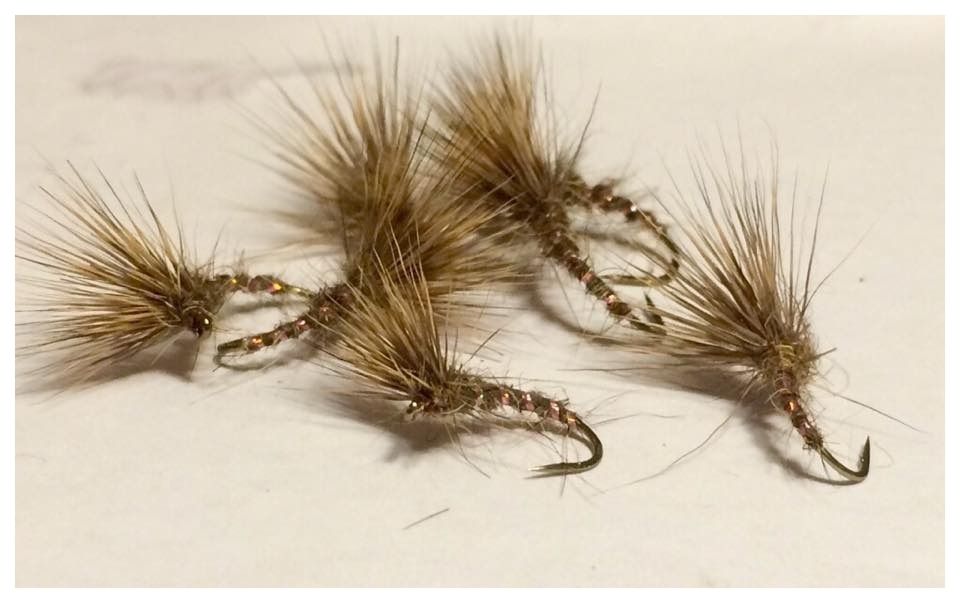
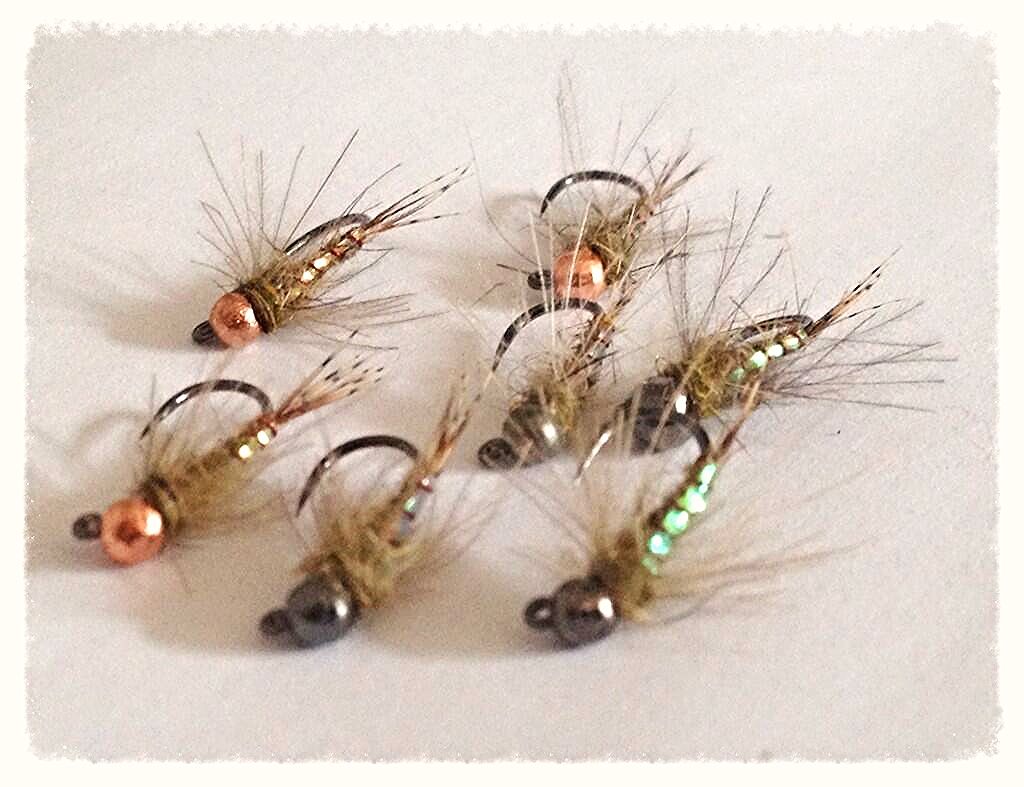
As the grannom hatch occurs later up north, we coincided with the back end. Hatches were usually over by 10am and we took a few fish in the slower water on emergers and adults. However, most of the well-marked, beautifully coloured fish were taken on small UV backed quill nymphs.


UV backed quill nymphs

On the last day we were fortunate to be hosted by Matt Eastham on a superb Eden beat. We very much enjoyed the variations in the beat and the fantastic quality of the fish, and I can’t thank Matt enough for hosting the day. 


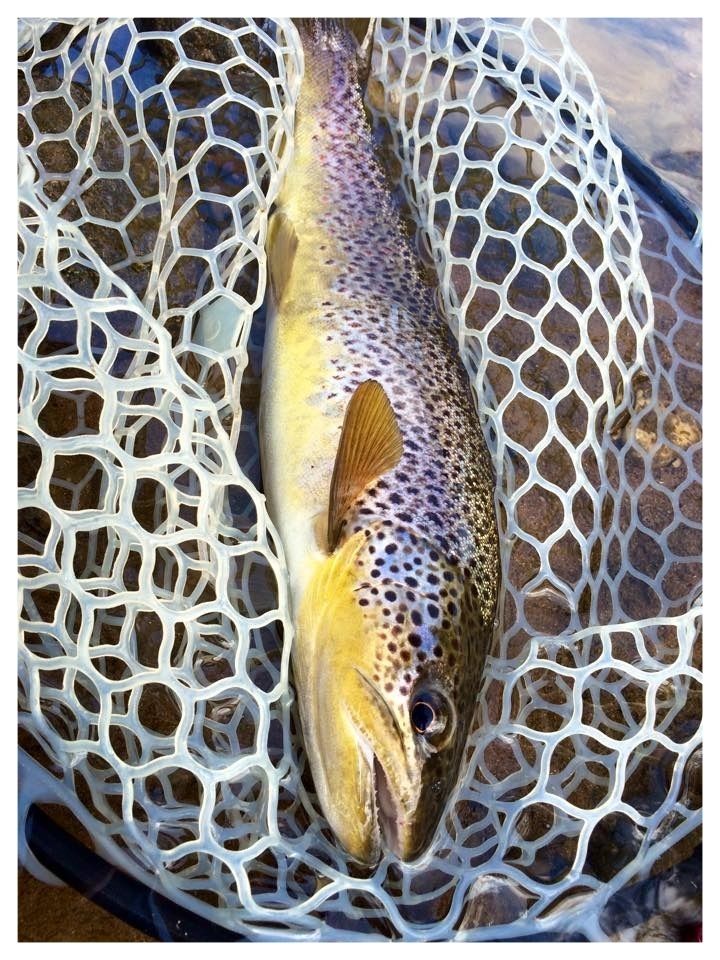
Well marked Eden trout
Matt with a lovely trout to the dry fly


The Monnow Social

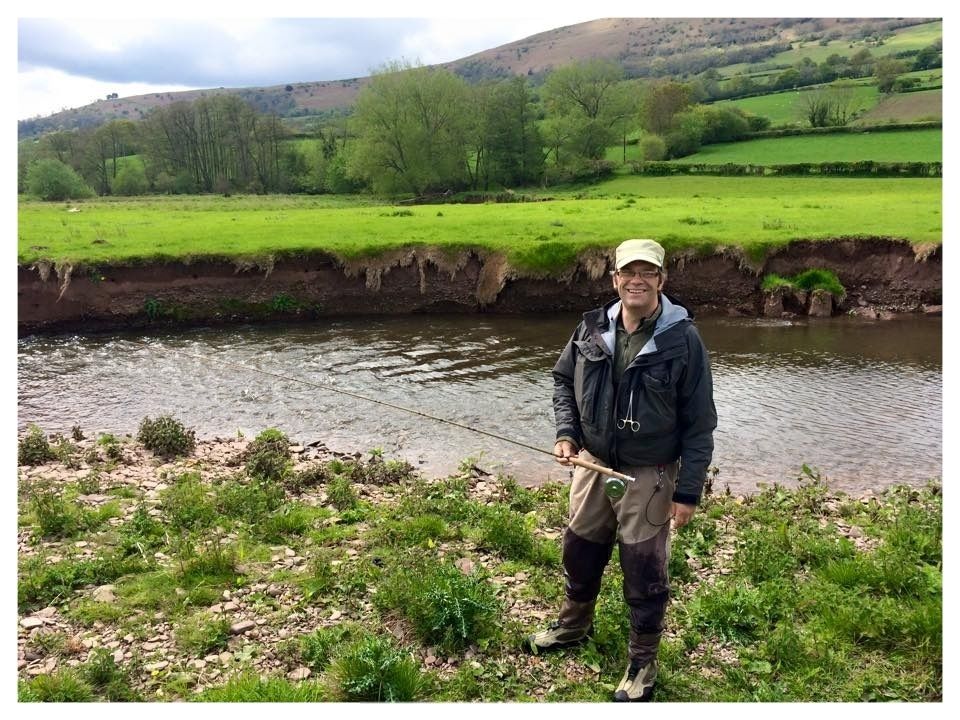
Yet again, the Social lived up to expectations - both the company and the fishing. I took a bit of flack for staying in a B&B rather than camping, but it was well worth it. On the first day I fished with Neil on one of the Monnow beats above Pandy. The beat is lightly fished and this was reflected in the stamp of the trout. 


Neil on the bank of the Monnow
Monnow Trout - image courtesy of Neil Hotchin

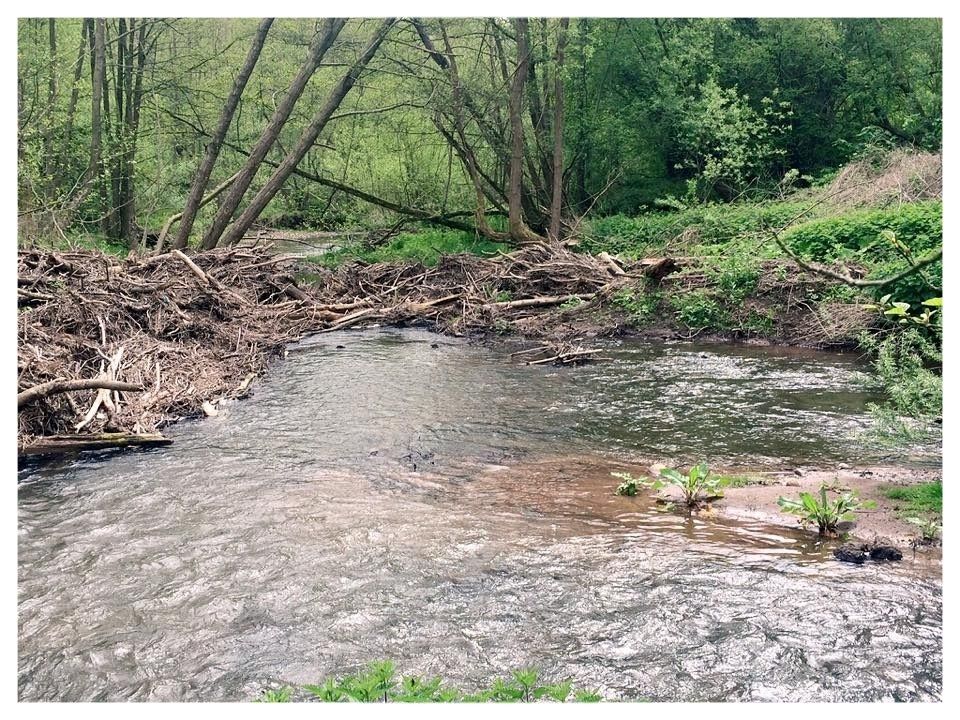
On the Sunday I fished with Kris Kent on a private beat further down river. Kris concentrated on the few fish that were rising while I followed employing a more pragmatic approach... We caught no monsters, but returned many trout and grayling to around 15 inches. The middle section of the beat is special - braided and heavily wooded - and as I peered through the trees it seemed as though some channels were flowing in opposing directions. During another surreal moment Kris and I were confronted by a startled roe deer crossing the river within feet of us.


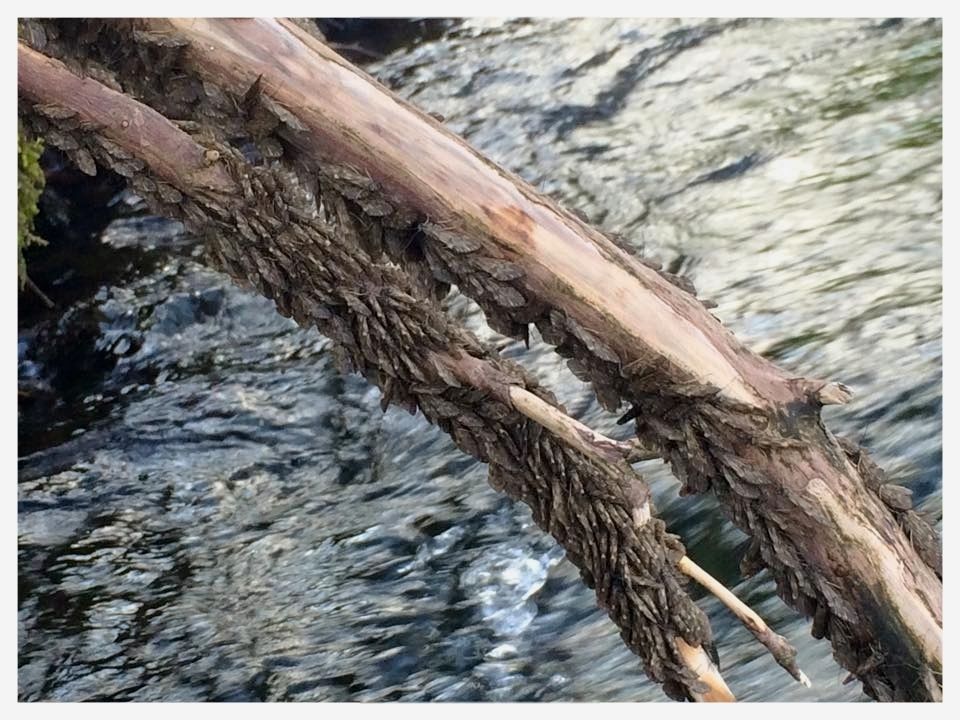
Woody debris

Thanks (again) to the hard work of Rob, Patrick, Neil M and others, this event was one of the highlights of my season and long may it continue. 


Pink holo DHEs - a great fly on the early season Monnow


No pressure

Experiences on the Monnow and Usk this year have yet again confirmed that the less pressure a beat receives, the more likely it is to produce large fish. Further evidence was gathered when I managed to gain access to a short unfished beat of the lower middle Usk.

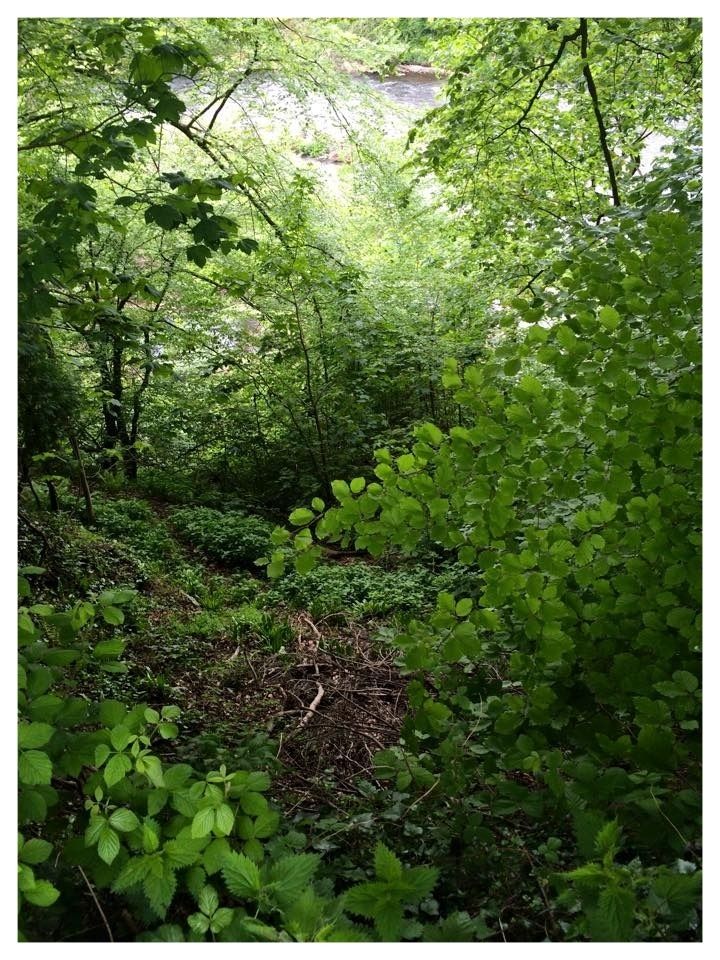
The way down

The route to the river plunged fifty metres over a cliff-like bank and I trembled as I slid on my backside until I came upon an old rope buried in the leaf litter. Clearly the beat hadn’t always been unfished… 

Hot and sweaty after the ten minute scrambled descent, I realised the beat was only fishable along a twenty metre section. Slightly disappointed, I sat and watched the head of a fast run.

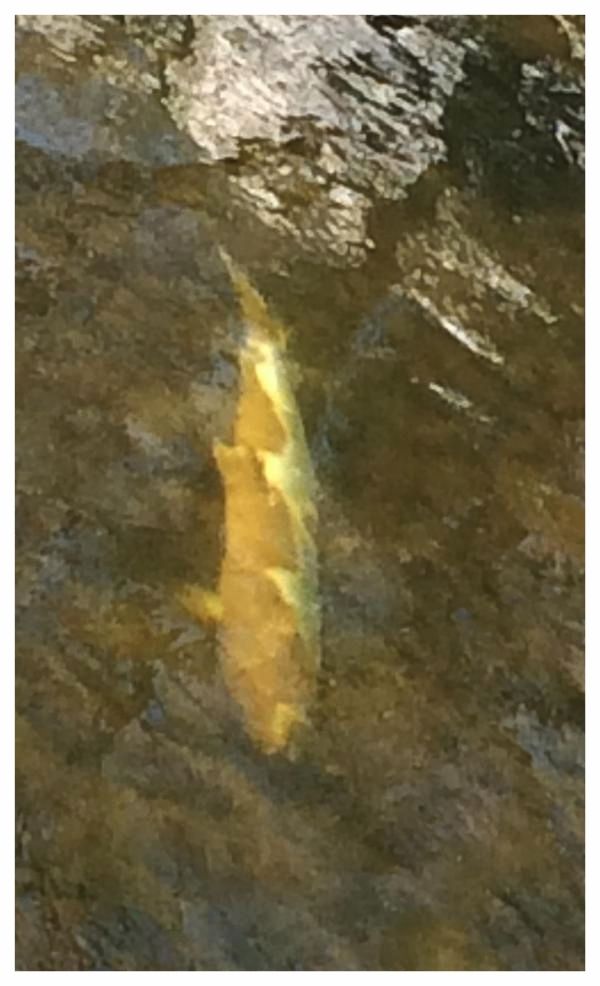
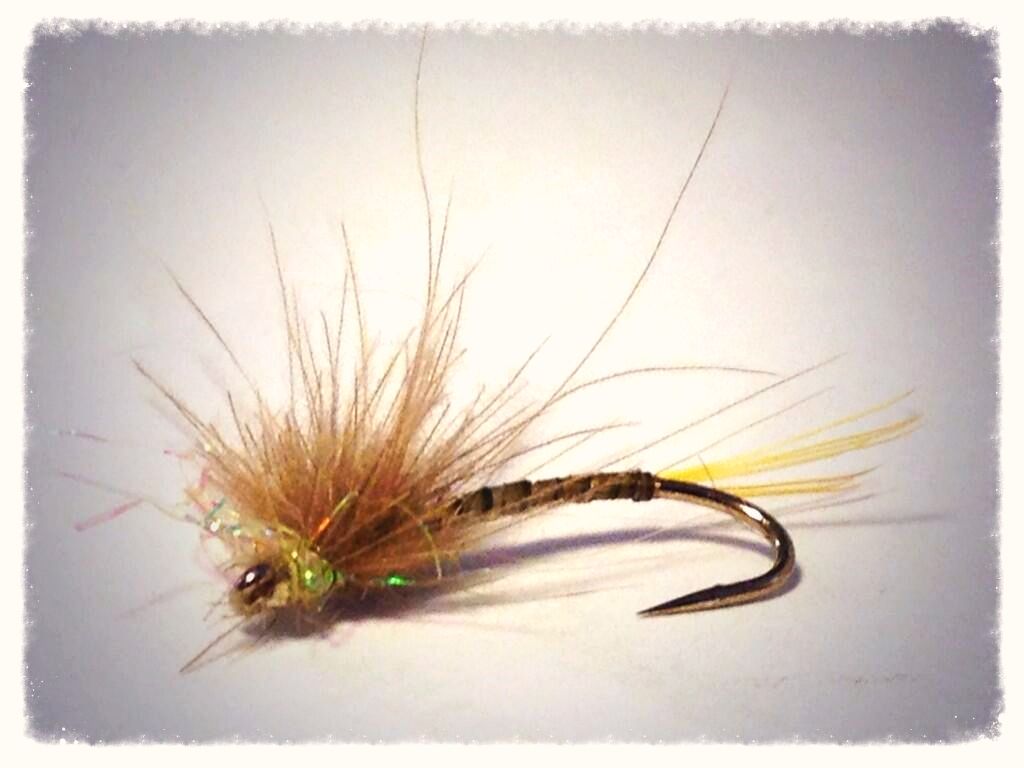
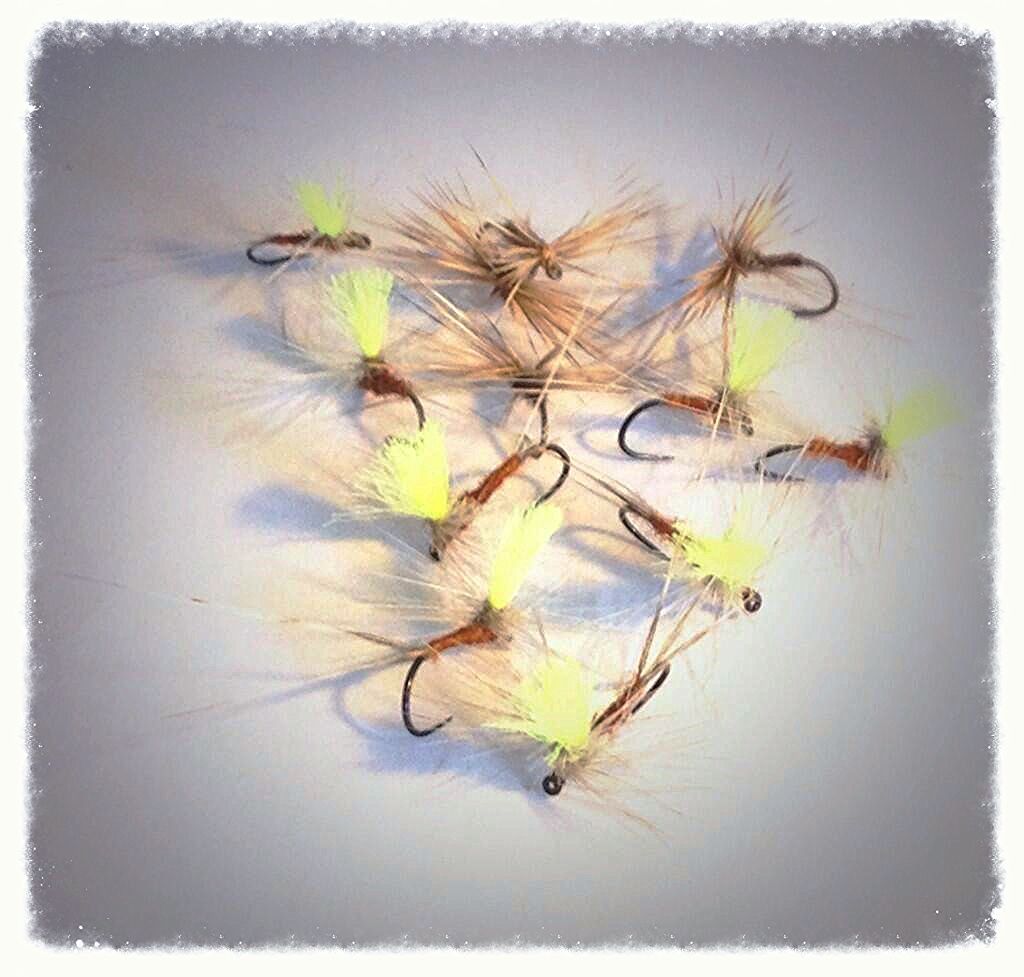
After a few minutes of observing hatching yellow may duns and noting no discernible rise forms, I elected to fish two size 16 light coloured jig nymphs on a french leader rig. On the first cast, as I deliberately lifted my flies through the water column, I pricked a large fish close to the surface that made a huge commotion. I cursed, but my concern proved to be misplaced as, over the next twenty minutes, the same spot yielded four fish of over 16 inches (including one of the biggest I landed all season). The mouths of all of these wild brown trout were coated with YMD emerging nymphs. I made the slightly more strenuous journey home in no doubt that I’d just made the ten most productive casts of my life.


Usk favourites

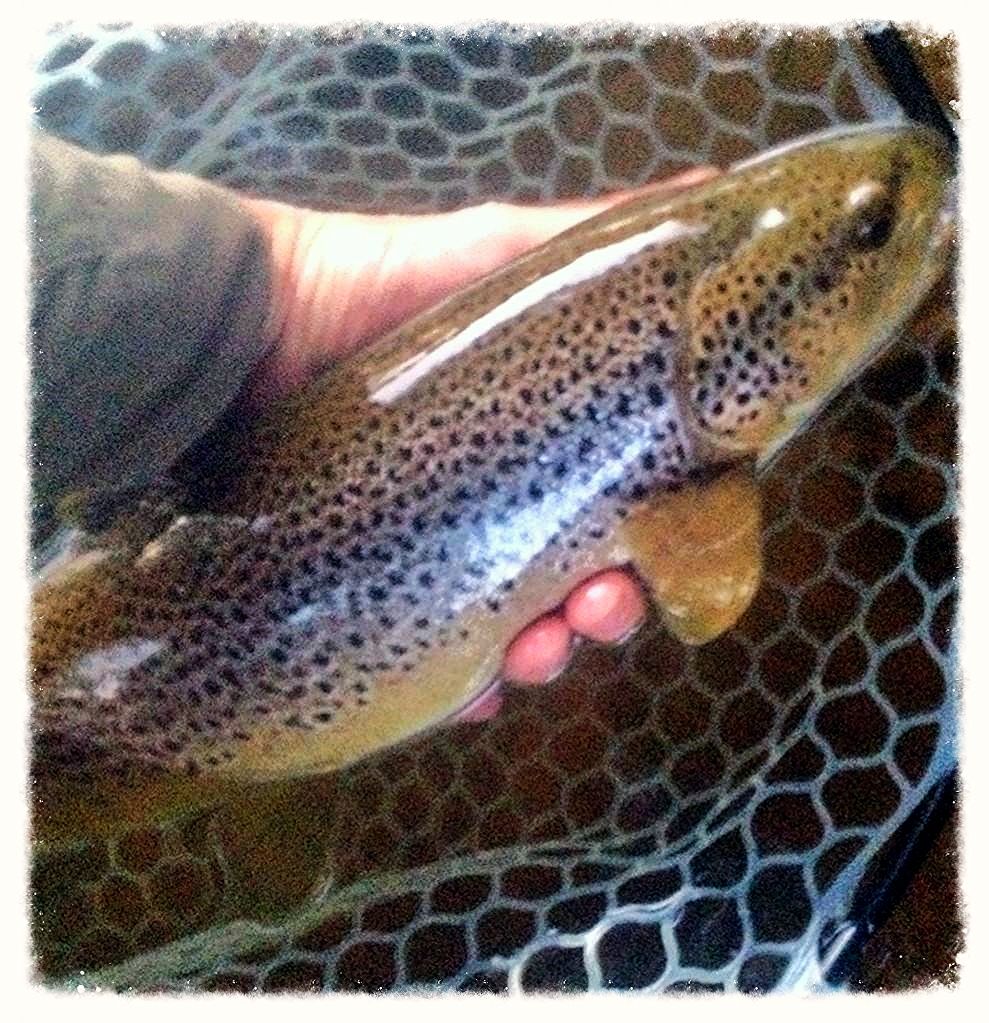
Usk YMD emerging nymph feeder


Tempus fugit

The older and busier I become, the faster time passes. I suppose the only advantage to this worrying trend is that next March will be upon me before I know it. 


The birth of my daughter has prompted me to re-evaluate and, after an honest discussion with Matt on the banks of the Eden (while my wife was at home caring for a teething infant), we concluded that being a time poor fishing enthusiast makes me a selfish bugger. As the weeks flash by, and with another season gone, I can probably live with this. 


Friday, 1 August 2014

End of the Day - River Usk, Summer 2014

No Rain

Despite maintaining good levels for the first half of the season, the Usk catchment has not received significant rainfall since late May and the bones of the river are on display.

Hot dry spells dictate that I fish mainly in the relative cool of the late evening, or early morning. A busy work life, a dislike of most TV programmes and close proximity to the river results in many summer evenings spent fishing.

Home Visits

During the first half of June, I had the pleasure of fishing (on two separate days) with Kris and Nicholas. We caught quite a few, but didn't land the prized Usk two pounders that I had hoped for, and the nymph fishing was far less productive than earlier in the year.  
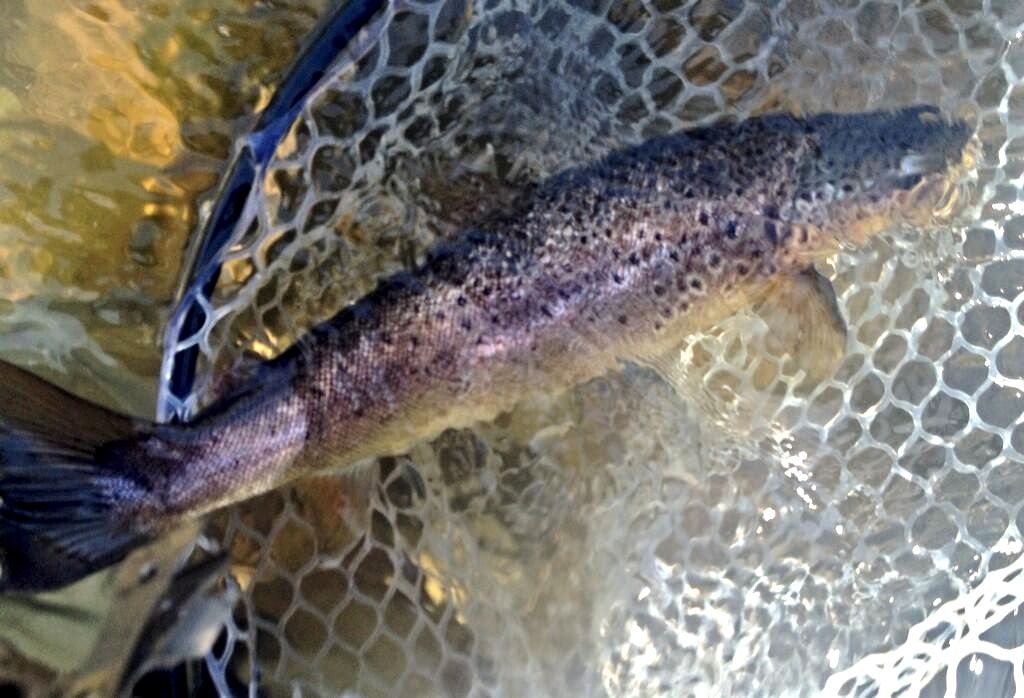
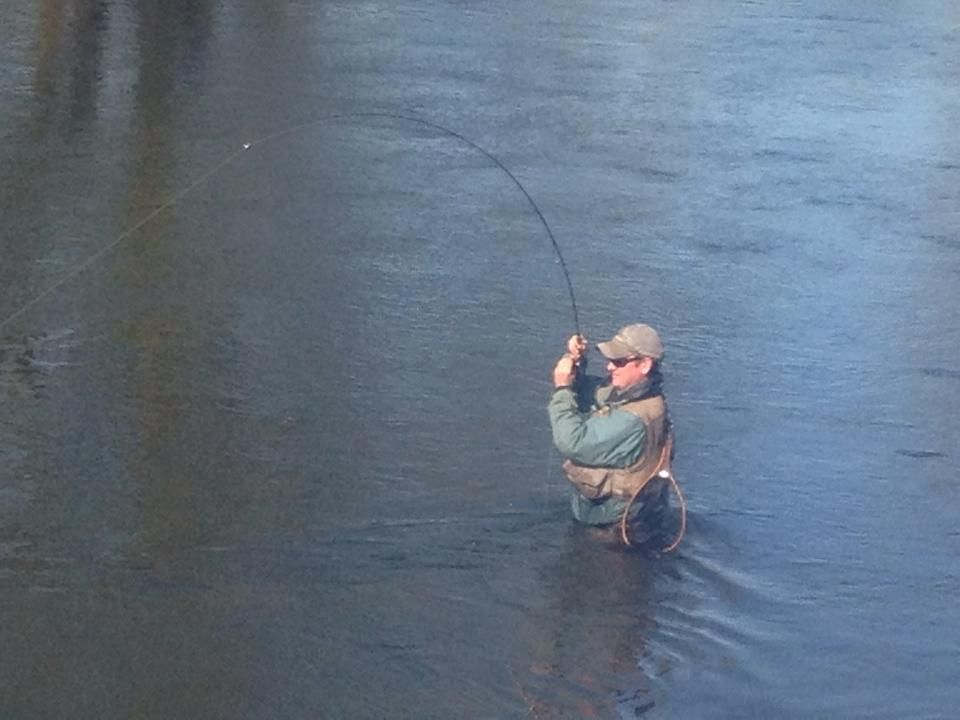

Kris Kent - big man, small trout
Nicholas - the spectra nymph does it again!

Nicholas arrived the evening previous to our day and we stole a late hour (before returning to watch his nation lose in the World Cup). There were a few fish feeding and we caught on Yellow May Dun (YMD) emergers and Blue-Winged Olive (B-WO spinners). The B-WO spinner falls hadn't started properly but this provided a taste of things to come.


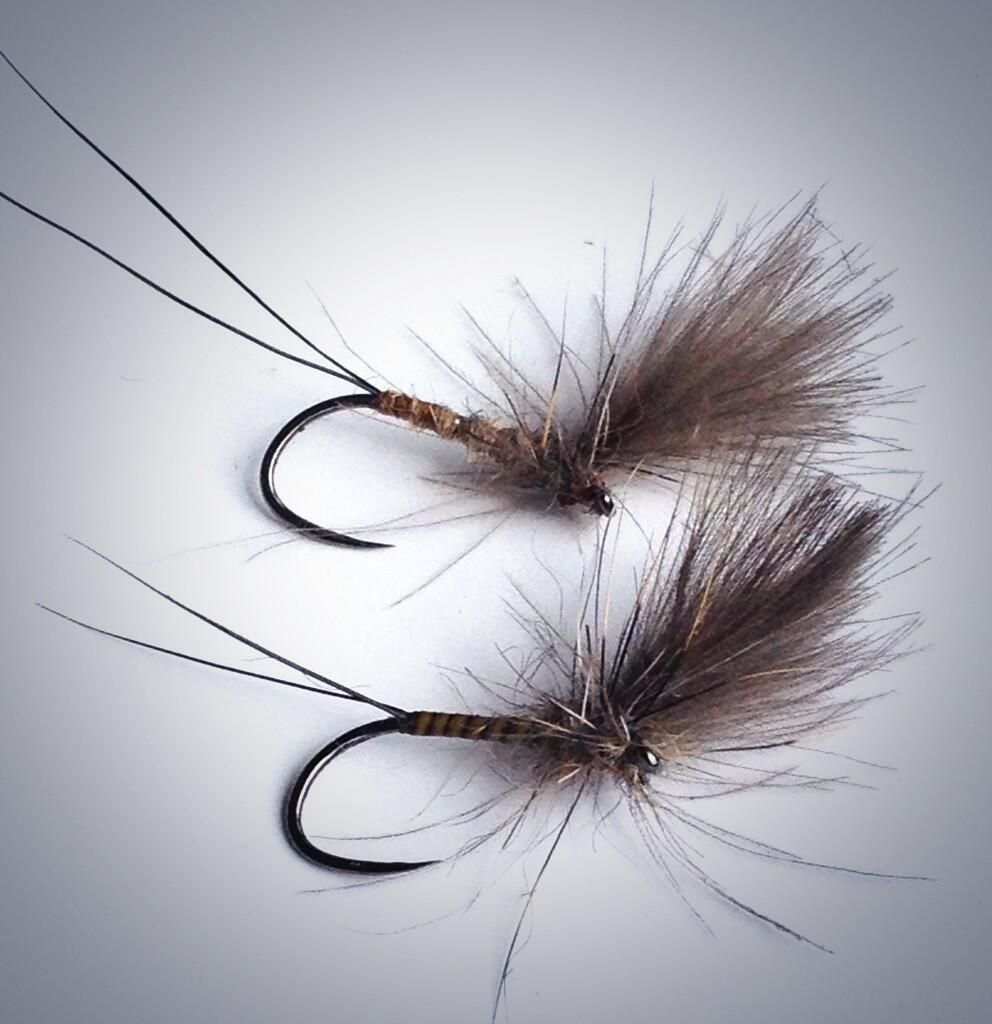
YMD emerger

Early Evening

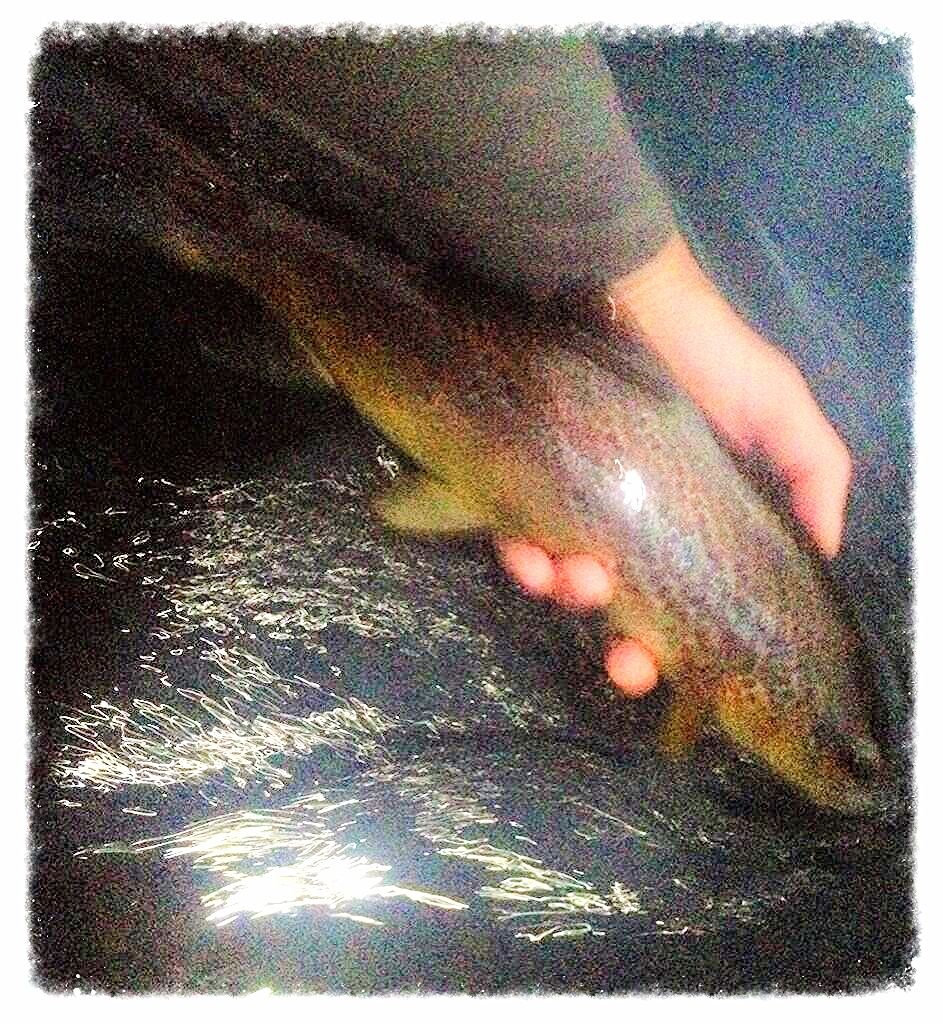
I started evening fishing during a warm period at the end of May. The fishing was erratic on those early summer evenings but the first few sessions provided some excellent sport. One memorable evening saw more than ten fish landed, with none under twelve inches. The largest was a lean old nineteen inch cock fish with a fierce kype and teeth that cut my finger.


Kyped cock fish
All of those fish fancied my spent CDC & Elk a fly that, since the egg-laying grannom in April, had served me well during the day. That it was the wrong colour to imitate many of the upwing spinners (mainly YMD) on the water didn't matter to these early (less selective)summer fish.


Purple Haze - Usk trout
When there was no surface activity (mainly in the early evenings) I fished nymphs, or I should say, a nymph (see below). Apart from a few to a cased caddis pattern, all of my nymph caught summer trout fell to this olivey jig nymph.

Small nymphs for the Usk in summer

Hook: Size 16 or 18 jig (Hannak or Fulling Mill)
Bead: 3mm, 2.5mm or 2mm Copper, black nickel or plain tungsten
Tail: Partridge
Body: Natural hare mixed (2/3) with olive hare (1/3)
Flash back: Pearl mylar or UV blob tail
Rib: Fine red wire
'Hackle': A turn of fine CDC
Collar: See body


I tied the nymph in the style of Craig McDonald's popular 'Duracell' and another nymph fished by Nicholas Steadman. A conversation with Nicholas (and noting his success), made me focus on the profile and resultant silhouette of the pattern and convinced me that partridge would provide the best material for the tail.

The first time I used it, I was fortunate enough to be lent a Hannak Czech Nymph rod to try out by Gareth at Harvey Angling. The high water temperatures drove me up river to a beat with numerous fast runs. That night, I caught many fish at the head of fast runs, with the biggest fish often holding right at the top.

Usk Leopard

In low, clear conditions I either fish a French leader with two small nymphs or, more often, I 'high stick' a very long tapered leader with a duo set up.


Early evening nymph feeder


Another to the summer nymph

High Summer Spinners

In high summer the larger Usk trout usually start rising in the last hour before dark. An upwing spinner fall will see them feeding hard into the dusk, and some nights they can be heard crashing caddis until the small hours.


Caught on a skated bleached elk hair caddis
I
employ a only a few spent fly patterns in various sizes: in the early summer the (previously mentioned) spent CDC and Elk; when the Danica mayfly are on I use a spent mayfly pattern and, when the B-WOs are prolific, I use a Paul Procter para spinner. The latter is my most successful spinner pattern and the fluorescent yellow post is visible in very low light levels.


Spent CDC & Elk and PP Para Spinners


Drag and mircro drag are sport killers when fishing spent flies and, to minimise this, I move as close as I can to the quarry, often within two rod lengths. Good wading technique and patience are essential, particularly in low water; it often takes me five minutes to move into range.

When casting to fish, I usually employ a large upstream aerial mend and move the rod tip down stream at the same speed as the fly (or the speed I think my fly is moving in the dark!). I try to get into a rhythm that allows me to fish the fly effectively when it is too dark to pick it out.

Dark wader

I use a 16 foot leader and, to take the flash off the line, rub it gently with a piece of grass held between my fingers. I can't recall where I read or heard this tip but it seems to work. To further reduce drag and ease lift off, I apply mucilin to the back two thirds of the leader.

Early in the season, when fishing big dry flies (such as Large Brook Dun patterns), I caught wily old trout using 5x diameter tippet. This does not work on the low, gin clear summer Usk. I have experimented with tippet diameters (particularly after reading Peter Hayes' book, 'Fishing Outside the Box'). My conclusions are the same as ever: I catch more fish with 7x than 6x and, when it is still relatively light, I struggle to catch any of the spooky summer trout with 6x.  


Night release

Those who believe that brown trout are rarely selective feeders should fish the Usk in June, July and August - the surface feeders are nearly always selective.

Reading the rise is important when targeting fussy feeders as you don't want to have to change your fly every few casts in the low light. A few evenings this year, I have gone out for the last hour anticipating spinner feeders only to observe fish feeding on B-WO and Danica duns (I have witnessed B-WOs hatching into the dark on sunny days). These dun feeders would not accept a spinner pattern, but readily accepted a dun.

Selective Usk trout

Even in the high water temperatures, the Usk trout fight fiercely with most of the larger fish jumping and running towards snags in the shallow river. I thought the fish below was much larger then the 16 inches it turned out to be and, as it repeatedly ran to submerged tree roots, I feared being snapped. Pound for pound one of the best I've caught - the Manny Pacquiao of the trout world.

Pound for pound...

Experience has taught me that my leader needs to be constructed correctly and I must play fish skilfully in order not to exhaust them in the warm water when using fine tippets. I prefer copolymer tippet and attach it to a shop bought 12 foot copolymer tapered leader using a two turn water knot (always being careful to ease knots down without pulling the end pieces too tight).

When fighting fish in open water, I try to play them on the reel as quickly as possible with the drag set appropriately to the tippet diameter. When I get it right, I'm occasionally rewarded with fish like the one pictured below.
A big fish to a PP B-WO Spinner

Warm Feeling

The walk to the river
There is something very special about summer evenings on the lower Usk, so special that sometimes I barely fish at all. Although peaceful, the quiet is often broken by startled calls of bouncing blue kingfisher, the insect buzz from blossoming lime trees, the occasional splosh of chub as they compete for morsels in the shallow margins and the begging screech of juvenile tawny and barn owls as they wait expectantly in the gloaming for parents to return with their prey.


Usk chub
Occasionally the wildlife can get too close - not that I mind (much)! At the end of one evening I could just make out three fish sipping spinners less than ten feet in front of me. About to cast, I was startled by a loud splash downriver. My first thought was that it was another angler (or a poacher) and so I turned with my headlamp on. Out of the dark two young otters ran up the bank and swam towards my fish. With the torch on I shouted and beat my thigh but they weren't perturbed. The trout, that were lying in the surface, careered off (with the front one moving a significant amount of water)...You can't have it all.

As the forecast tells us the dry spell is (hopefully) nearing an end, I feel that I've taken full advantage of the evening fishing this year; which is just as well. At the end of August, my wife is due to give birth to our first child leaving me to wonder (optimistically) if I'll be out as much next year.

In the gloaming


Wednesday, 7 May 2014

False Starts - River Usk and River Taff, April 2014

What a Difference a Day Makes

Bryn Derwen, River Usk, 12th & 13th April


It was Saturday morning. I had grilled a few cuts of Raglan pig and was relieved when Welsh exile and itinerant angler, Morgan, arrived on time. We had not fished the new beat together and, even though the river was up 15cm and (worse) there was a stiff easterly wind, I was eager to get out.

We had two days and, so rather than just fish a single beat, we drove a mile or so downstream to Llan Farm (GAS water). Upon arrival, the wind funnelled upstream and it was clear I had made a poor choice. A false start.

Back upstream we fished hard until 5pm with only a few fish taken on nymphs. We located no surface feeders and saw very few flies, even in the sheltered spots. The wading on this deep wide beat again proved challenging. The river appeared dead, and we concluded the grannom emergence, that promised much at the end of March, had fizzled out. I was not disheartened as the forecast was far better for the Sunday and the river was dropping fast.

Following more local bacon, and with heads as clear as the spring sky (we must be getting old), we were pleased to be met by still conditions. Immediately, we noticed a few egg laying grannom bouncing on the surface film and were delighted by the sight of a few rising fish.

A better day

We assumed they were feeding on the spent sedge and selected size 16 split wing CDC and Elk patterns. As fish were again feeding on the far bank, to achieve successful presentation we had to wade deep and cast long; a large upstream aerial mend and a sixteen foot leader helped to achieve the essential drag free drift. When the cast was timed correctly and the presentation spot on the fish accepted our flies and we caught most of those we targeted.


17 inch Bryn Derwen trout


Deep wading reaps rewards
Morgan is a purist at heart and I was pleased that he had some top of the water sport in the peaceful surroundings before his two hour drive back to the rush of the City where they ‘don’t have weather’.

Spectator sport

The Leviathan

Upper Taff, 26th April


Dan arrived for breakfast at mine (more pig) before we planned to fish the Usk. I was worried due to the previous day's rain. As we walked, river bound, through protective ewes and curious lambs, I could make out the reddish brown water. Another false start.

Retracing Dan’s journey, we arrived at the elevated and slightly stained Upper Taff at 10.30 and elected to fish duo tactics with small silver and copper bead PTNs on the dink. This was my first time on this part of the Taff this season and I was excited by the prospect of the eighteen inch plus fish that we often spot in the shallow river.

We worked our way upstream taking it in turns to fish through the runs, with both of us catching four or five fish to nymphs. The river had changed over the wet winter and there was a strong and gusty southerly wind that I thought would kill any top of the water sport.

Upper Taff trout

At a favoured long, slow pool the recently arrived house martins were hammering a big hatch of Large Dark Olives (LDOs) and Large Brook Duns (LBDs); a superb site in these urban surroundings. Dan nodded at the river – ‘here we go butty’.

I know no one that understands this piece of water like Dan. He is an instinctive angler and can spot and catch Upper Taff trout in water that most would walk past (or wade through). Just as Morgan was my guest at Bryn Derwen, I was Dan’s there.

We started fishing LDO (emerger and then dun) patterns and caught a few to fifteen inches. We missed only one that I put down when the wind caught my line. Frustrated, I stood and waited until Dan beckoned from further up. In the fast water above the pool, LBDs were hatching in abundance and we needed to change patterns.

Before and after - Large Brook Dun nymph and sub-imago


Large Brook Duns

Hook: Size 14 - Hanak H 130 BL
Tail: Moose mane
Body: Golden olive quill or light hare's mask ribbed with brown Hends body quill
Thorax: Darker Hare's mask with guard hairs
Wing: CDC


Dan gave me one of his LBD patterns (see similar above). We targeted feeding fish that were on the fin traversing the shallow, clearing river. When fish and fly coincided, we connected. These fish were in superb condition and Dan caught the largest at eighteen inches.
 

18 inch Taff trout

Another to the LBD imitation
We continued to another deep pool, spotting a good trout, I covered, hooked and landed it. It was a wild late afternoon with driving rain and howling wind. We were nearly ready to go home but I elected to have a few last casts with a nymph. As I changed my fly, Dan commented that he could make out the movement of a fish lying deep.

He was right, and it took my size 18 silver bead flashback PTN first cast. For a second it felt like the bottom, ‘Big fish butt!’ I shouted, then all Hell broke loose.

It was a monster brown trout that tail walked and then jumped three times. I swore repeatedly as the fish ran to every snag in the pool, then at me, then at Dan who turned to laugh at the bend in my rod (and the look on my face). In what must have been a comical scene for passing motorists, I bellowed over the wind (melodramatically),

‘It’s going to pop!’ With one hand on the handle and the other on the blank, I kept the rod high and applied side strain as smoothly as my shaking hands would allow. During the ‘jumping phase’ I had noted that the fly was visible in the fish’s mouth but now Dan, who was in the water waving my net, had some unwelcome news.

‘I don’t want to worry you, but the fly is now in his back’. I suspect it dislodged, and relocated, on the last jump and felt sorry this was no longer to be a fair catch. I still wanted my picture with the bugger though and so, with pulse booming in temple, did my best to pump the rod and bring it over my inadequate net. There may have been a split-second opportunity for a lunge (I doubt it would have worked), after which the angry trout ran hard towards a boulder and the fly worked free. As he saw it for longer than me, I asked Dan,

'How big?'

‘It was a leviathan!’ was all he would say.

On the walk back to the car we made determined noises about ‘getting him again’.

Like a Pig


This April, the local rivers didn’t disappoint and from what I’ve seen and heard from others, some quality fishing was had throughout Wales (particularly on the Upper Wye and Usk). I’ve recently seen a few Usk Yellow May Duns and Mayfly; with these hatches to look forward to, and the river on my doorstep, I’m (as a neighbour recently joked to my wife) ‘like a pig in shit’.

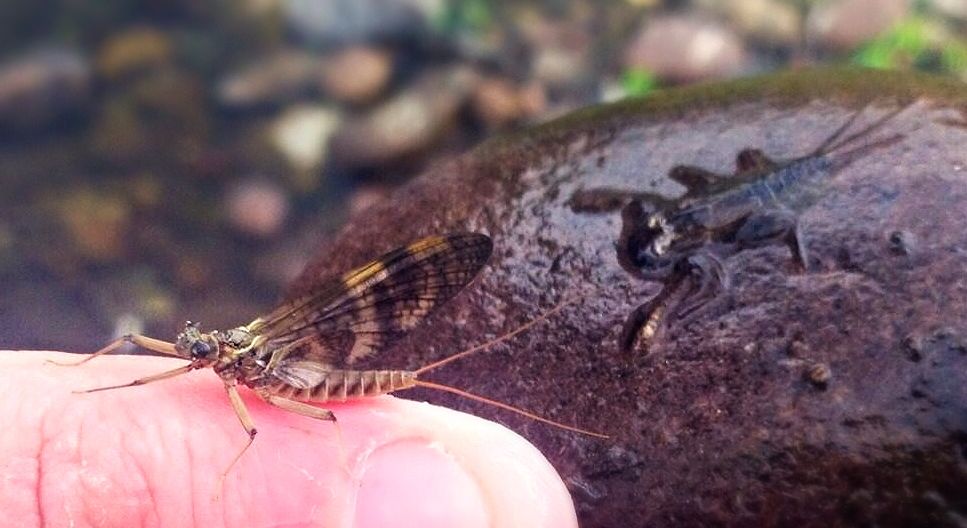
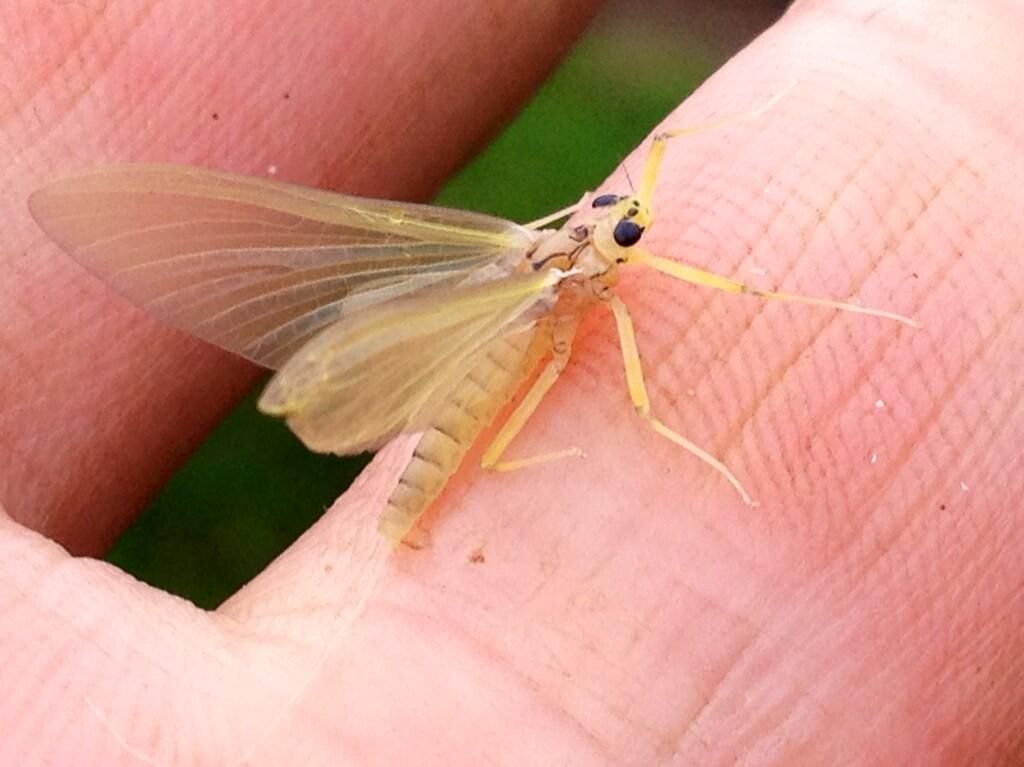
Yellow May Dun


Wednesday, 24 July 2013

Double Take - Mayfly, River Usk, June 2013

June mayfly

As everything on the Usk is three weeks late this year, I had some good sport with mayfly feeding fish in the early part of June.

Some of the older locals have told me that the Usk trout are 'afraid' of mayfly for the first few weeks and that the hatch doesn't amount to much. While I don't think the mayfly sport is as good as on the chalk streams, or even the nearby Monnow, I still beg to differ. Most seasons I have some sucess with mayfly emerger, dun and spinner patterns.

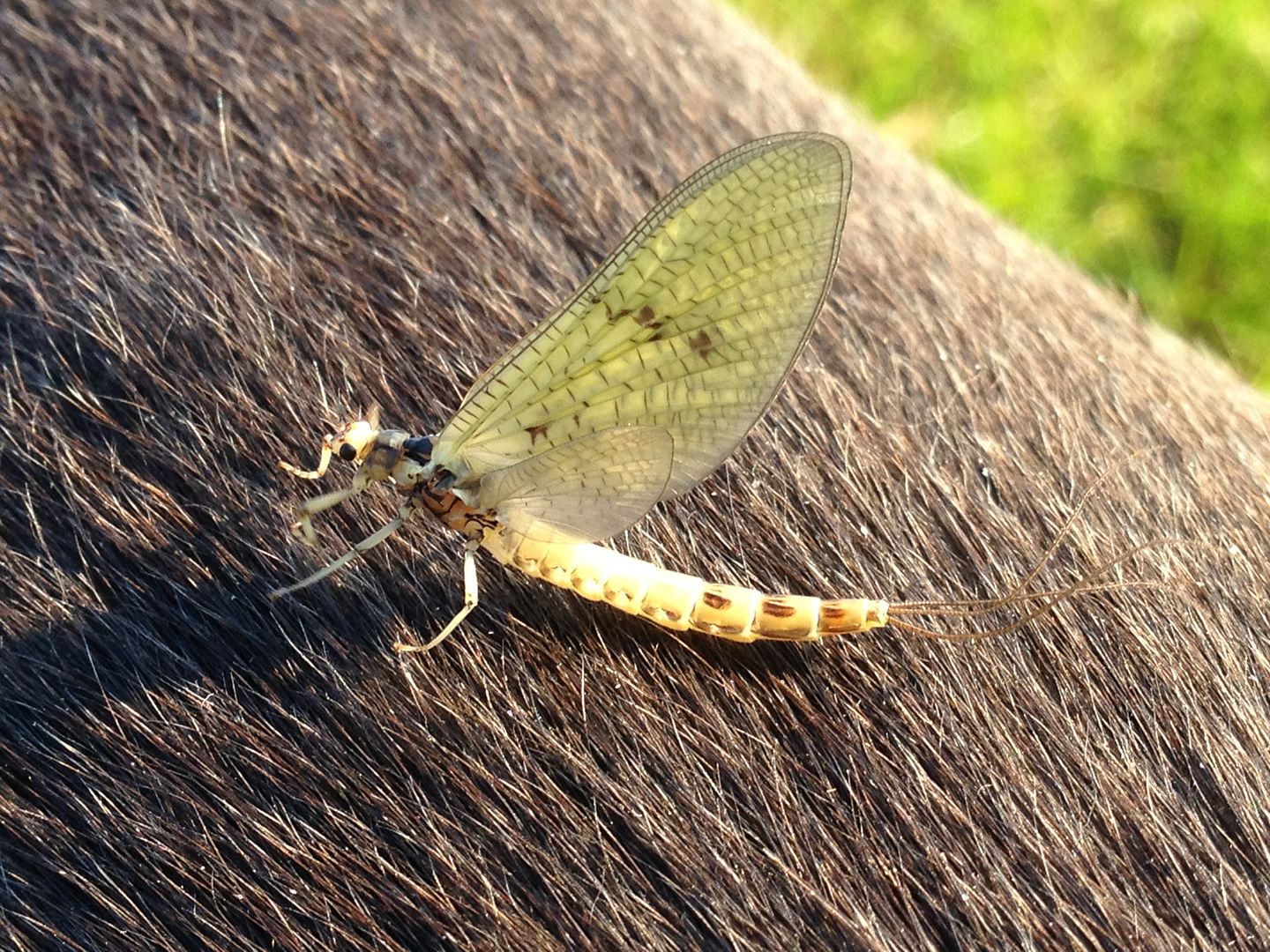
During the last week in May, I noticed a few danica whilst out walking the dog. The specimen below landed on my dog's back, which was a bad move as she turned around and ate it!

Danica

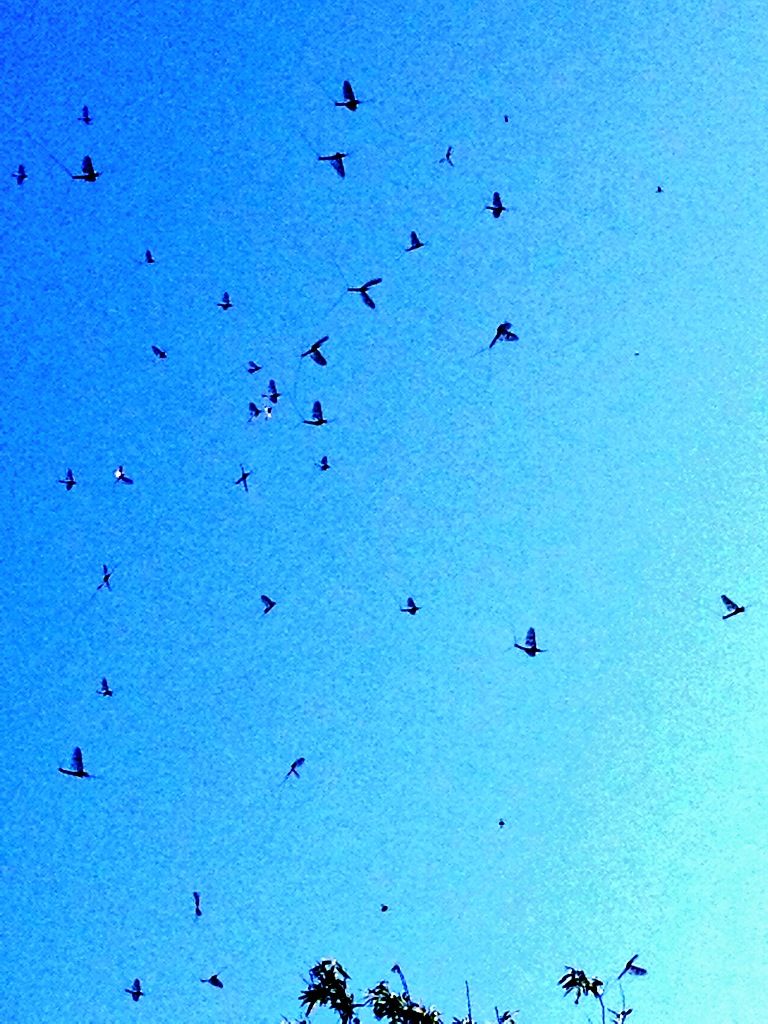
By the second week in June, some Usk trout appeared to be responding. It was during this week that my wife was away with work for two nights and I too responded. On the Wednesday I arrived at the Bakers (GAS) beat at 7.00pm and was delighted to be greeted by clouds of dancing spinners.

Usk Mayfly


Being  a member of both GAS and MTAA, I walked the half mile or so downstream to the Kemmeys beat with the intention of fishing the river back up to the car by dusk. I noticed a few fish feeding on emergers and suspected that they were taking both mayfly and the abundant yellow mays.


Stockies

I started out fishing a yellow may emerger which tempted a few fish to just over a pound, one of which was a stockie. Over the last ten years I have only caught a couple of stockies on the lower river, but this season I catch one most sessions. I chap them as, in my opinion, they have no place in the river and I wish the few clubs and owners that introduce these stunted creatures higher up would manage their water properly and cease to do so. I concluded that this batch was stocked in Abergavenny at the start of the season during, or just before, a period of high water that washed the poor swimmers down river. Even though they've been in a few months these beasts will take most correctly presented flies and are often missing their pectoral fins.

Take 1

As I worked my way to the top of the pool I noticed that there were more danica coming off and so changed to a mayfly emerger. No sooner had I done so than I spotted a tiny blink-and-you'll-miss-it rise form tight to the bank, in about three feet of slowish water.

Considering the flow, I presented the fly two feet diagonally above the fish and, as it drifted towards the bank, the fish took very softly and ran hard up river. After a decent fight a shovel-tailed eighteen inch fish was slipped into the net.


Take 1


The actual fly that tempted this lovely brown trout has taken a bit of a hammering and is pictured below. It's a Paul Procter pattern that I tied on a size 12 emerger hook with an Aerodry shuck and loop wing. I especially like the pearl mylar rib and tag on this version.

PP Mayfly Emerger


Defeated

Every now and then I make a real hash of things on the river and that evening included one of those occasions.
 
The light had dropped and I moved up river with my sunglasses perched on my cap. I stopped and watched a fish occasionally rising in some very deep, slow water and wondered if I could get close enough without spooking it. Carefully wading to nearly the top of my chest waders I made a few longish casts. The fish took on the third pass and I immediately realised that I was into something big as it dived deep making three initial heart stopping runs.

I had cast over 15 metres and the fish emptied my reel with ease. This was the first river dry fly caught fish to take me to the backing and my main concern was to get some line back and not allow any slack. As such I held my rod high, and moved towards the angry fish as quickly as I could with both arms fully extended above my head. This resulted in water overflowing my waders and my sunglasses falling into the river. At the time, I wasn't too bothered as the fish was still on and I had some line back on the reel.
 
I'd not yet seen my foe and was desperate to do so. I managed to retrieve about half of the line and considered retreating into some shallower water. As I stepped back the fish ran down stream, lightening fast. I recall some spray from the reel cooling my flushed face just prior to the line sticking and my tippet snapping.
 
Defeated, damp and shaking like a leaf I wound in.
 
The next day I learned that a number of good sea trout had been seen, with a few caught, lower down the river...
 

Take 2

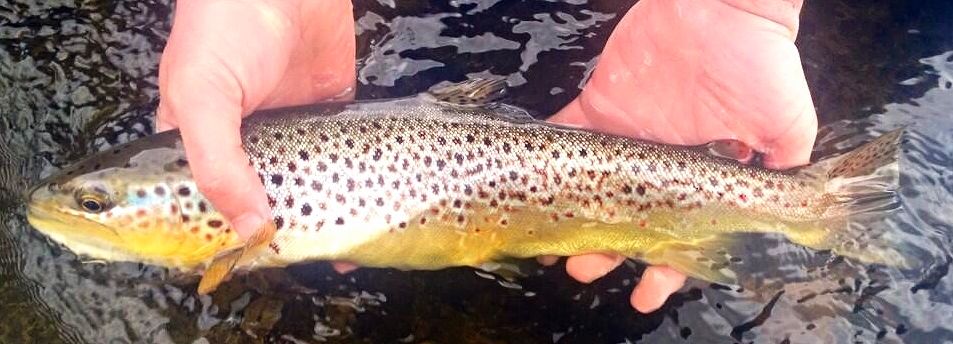
The following evening's routine followed that of the previous and, by 8.00pm, I was in the spot where I'd caught the 18 incher on the mayfly emerger. I again noticed a very small rise in the same lie, covered it and landed the fish below. Another cracker from the same spot (I thought).

Take 2


It wasn't until I arrived home and looked at the pictures that I realised there was a chance this was the same fish. The closer I looked, the more convinced I became. My photographer mate, Jon Poutney, then overlaid the two images (see below).


Haven't I seen you somewhere before?

I have previously suspected  that I've caught the same fish twice, more than a couple of weeks apart, but never with the same fly on the next day. The most pleasing aspect is that it was clearly unharmed by our previous encounter and actually fought harder the second time.

It's probably pushing it to ask for a third meeting, but every time I cover that lie, I hold my breath. We live in hope.