Showing posts with label Large Brook Duns. Show all posts

Tuesday, 3 June 2014

Reap What You Sow, River Monnow, May 2014

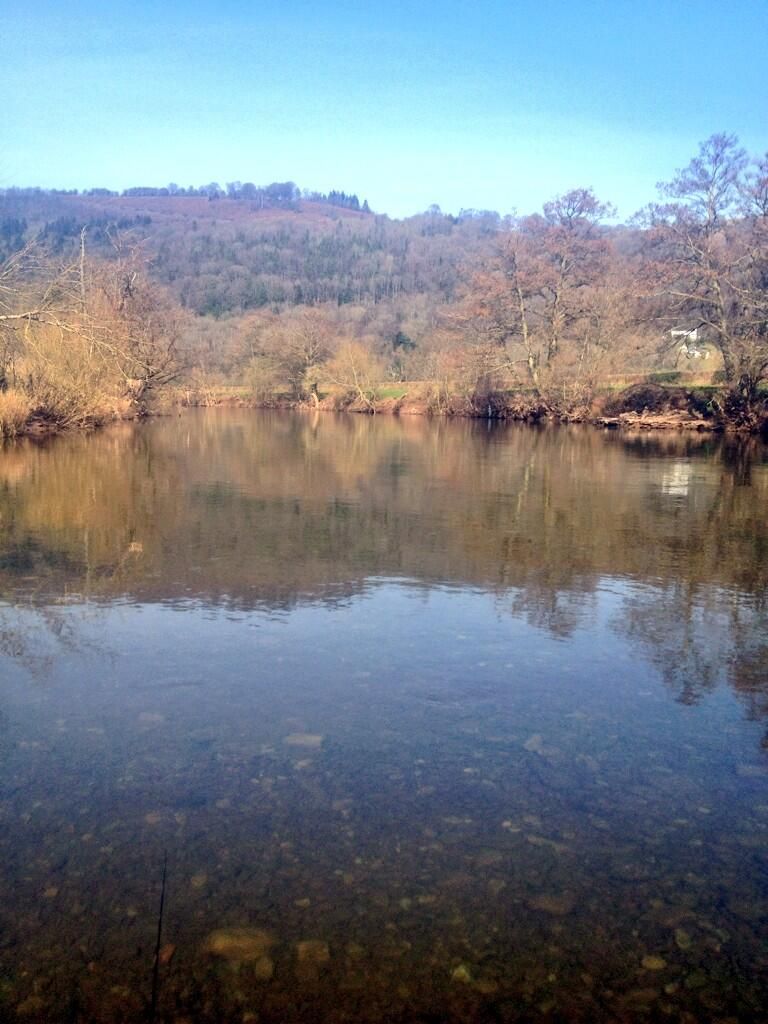
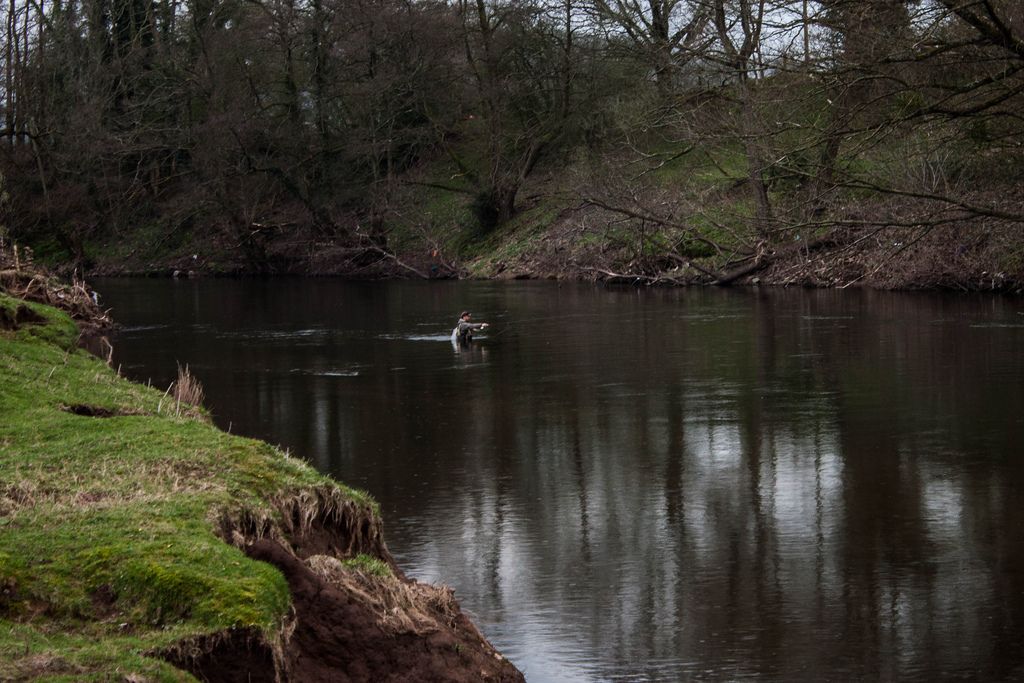
Reflections, Saturday 3rd May

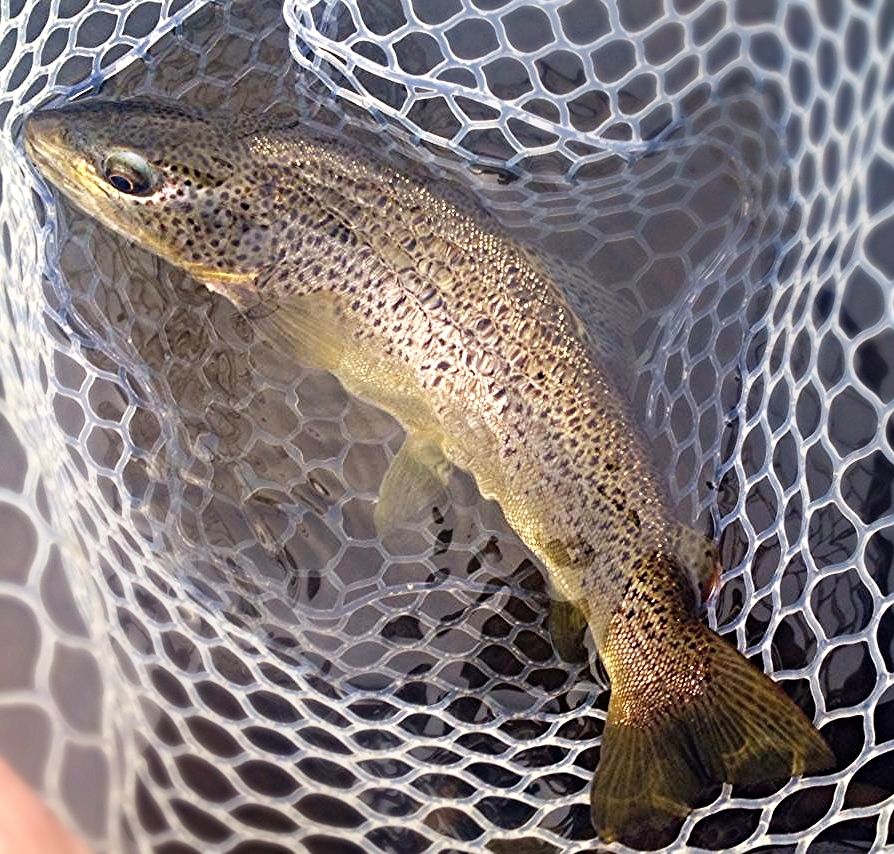
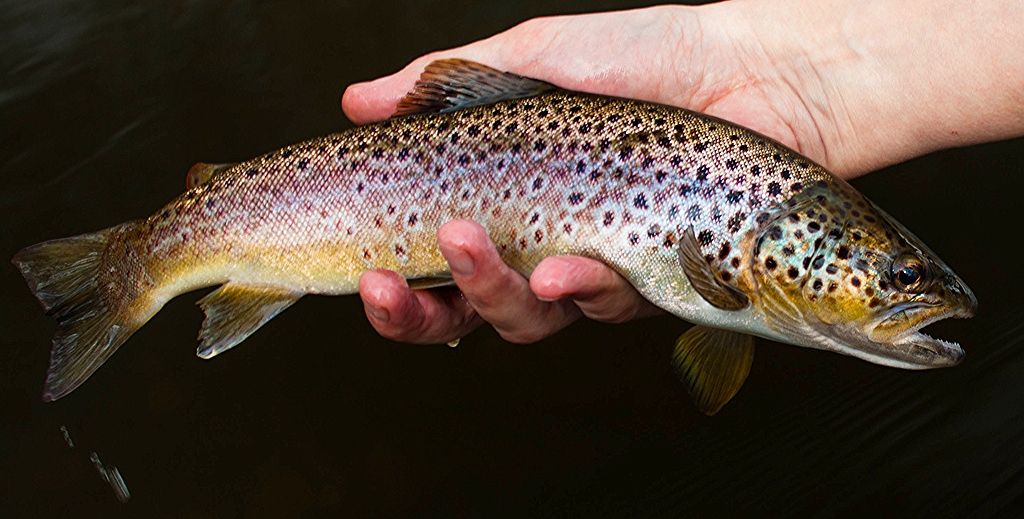
The morning session with Dave had been superb, very challenging but, when we got it right, we were rewarded with some beautiful upper Monnow trout.
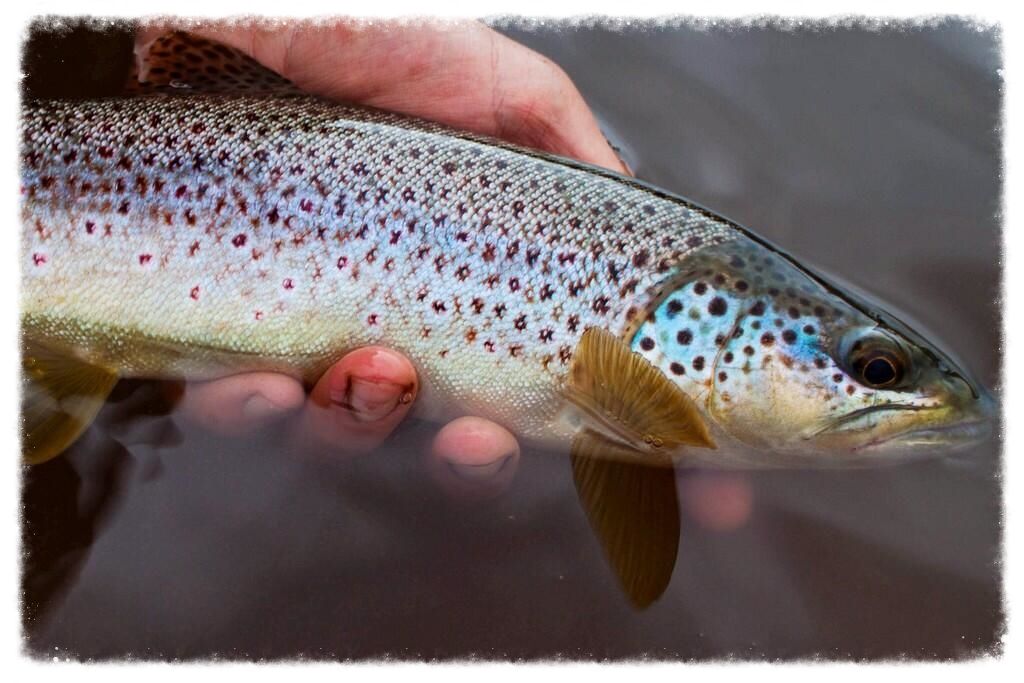
Monnow blues


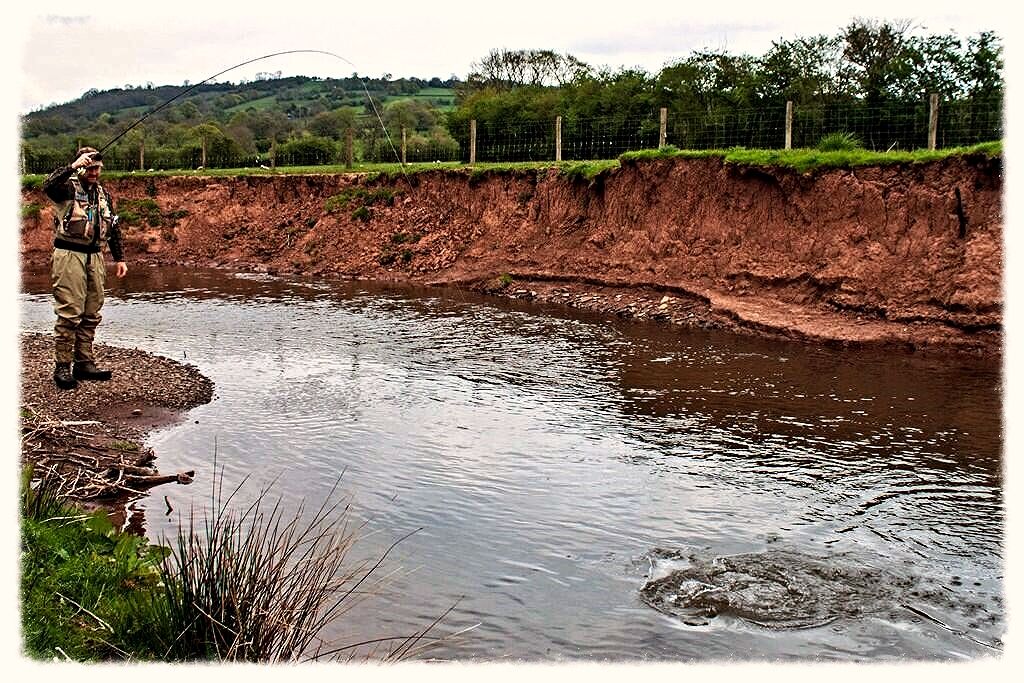
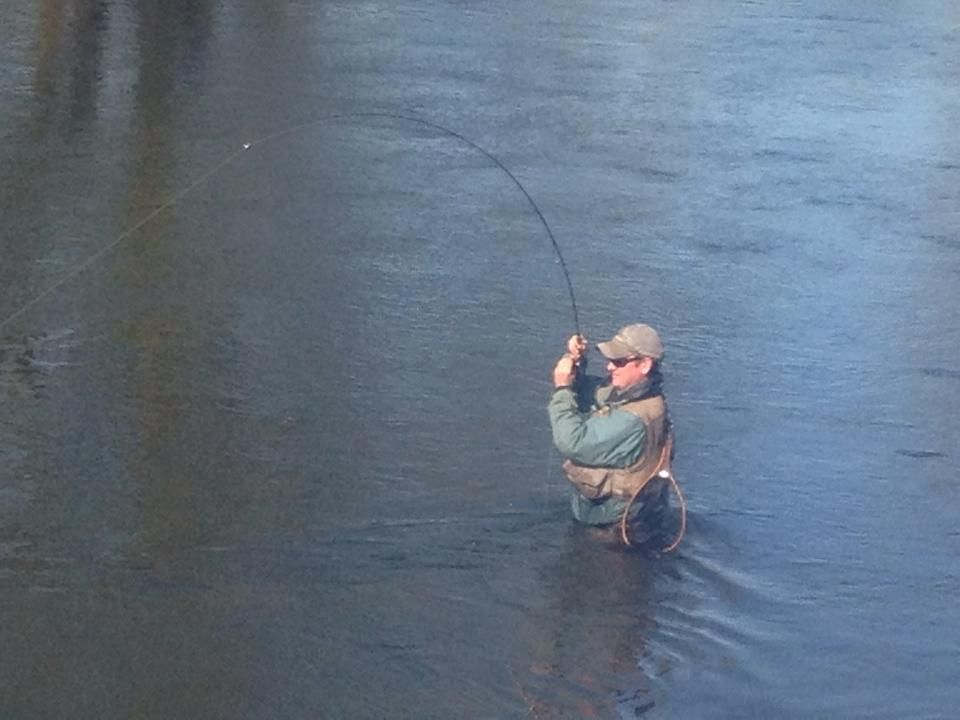
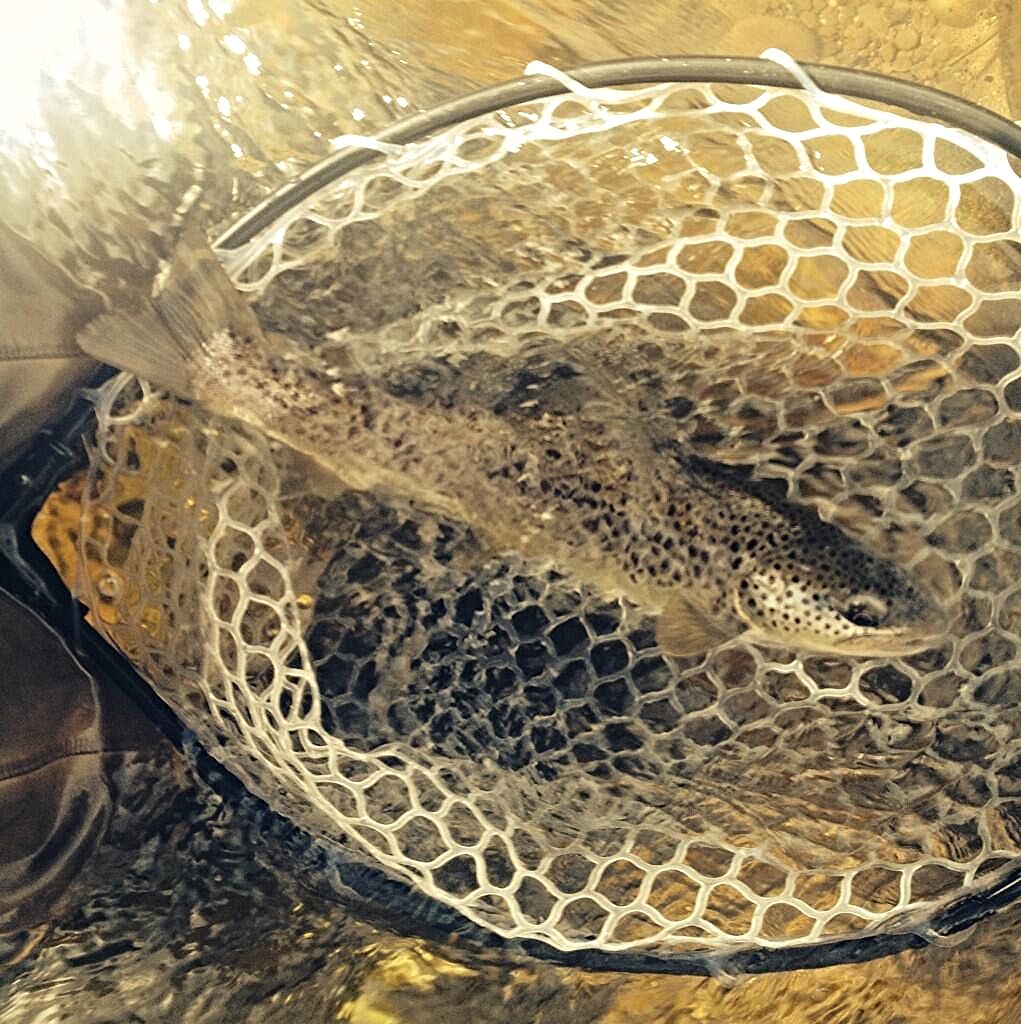
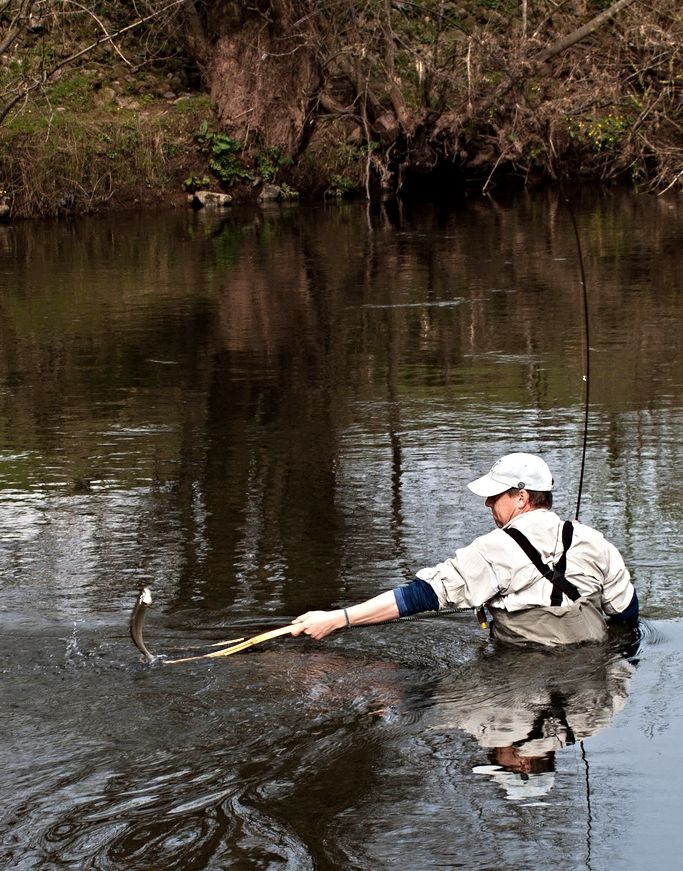
Playing a Monnow trout


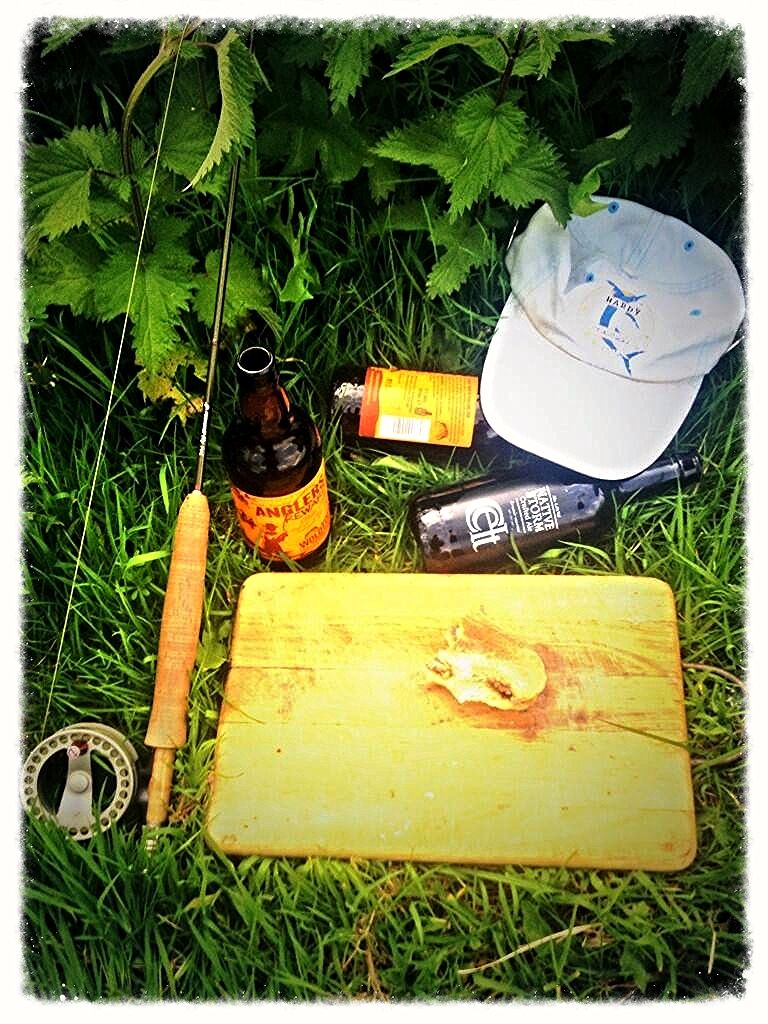
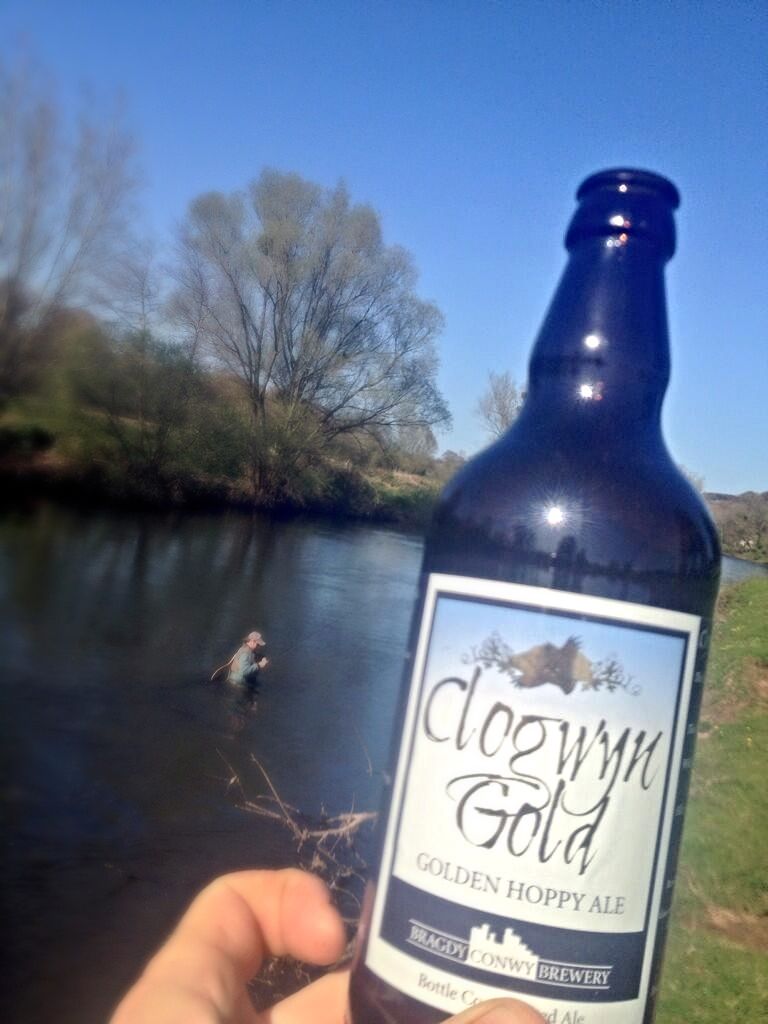
By mid-afternoon, while Dave was off searching for kindling to light his barbecue, I enjoyed a beer and took stock in the quiet of the valley.
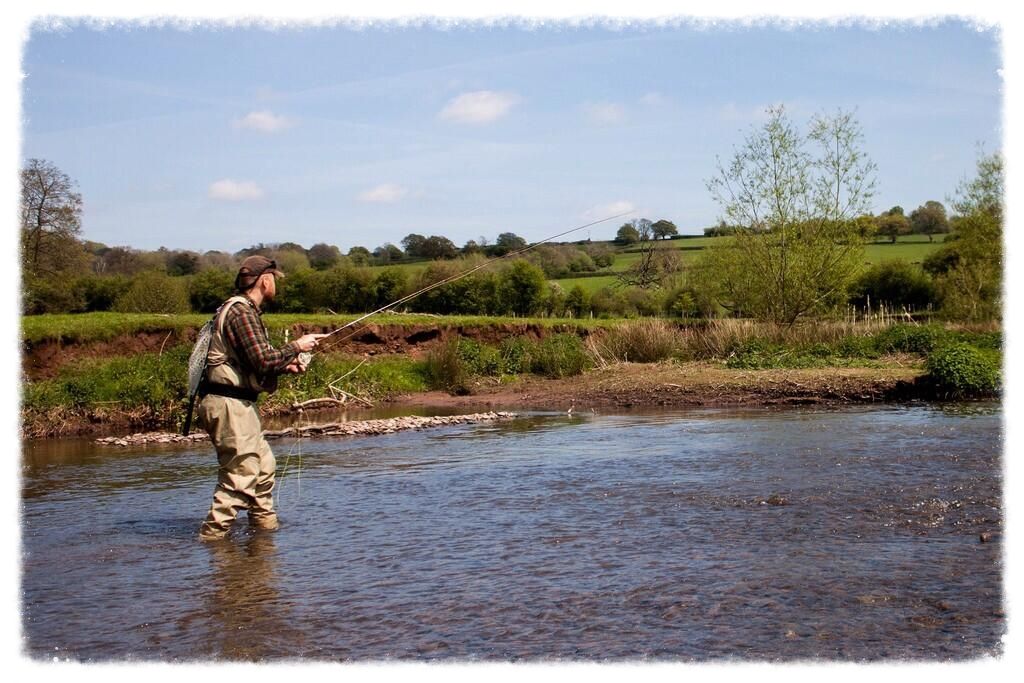
I recalled a hot summer's day nearly thirty years ago with my father on the Taff Fechan. We hadn't seen a fish and were about to call it a day but, fearing the blank, I persisted with upstream worming tactics, trying to cover a very difficult eddy beneath a tree canopy. After ten minutes (and a snapped line) a fish took, certainly not the biggest, but one of the best. I remembered everything; the take, the way the fish skipped across the surface and (later), the search for my father's pipe after he drove off with it on the roof of his van! I concluded that, more often than not, fishing is like most things in life: you get out what you put in. 


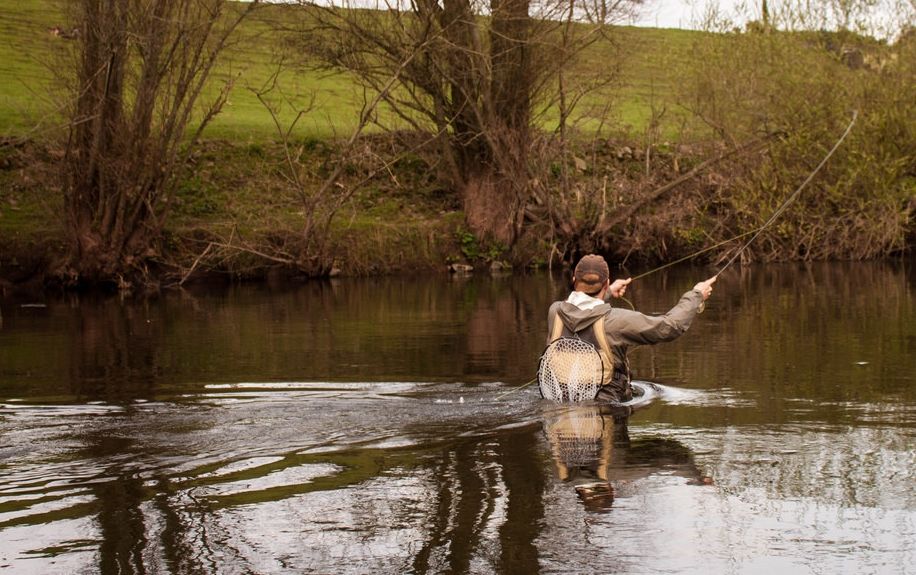
The careful approach - the fish was lying in the slack water on the left


The fight


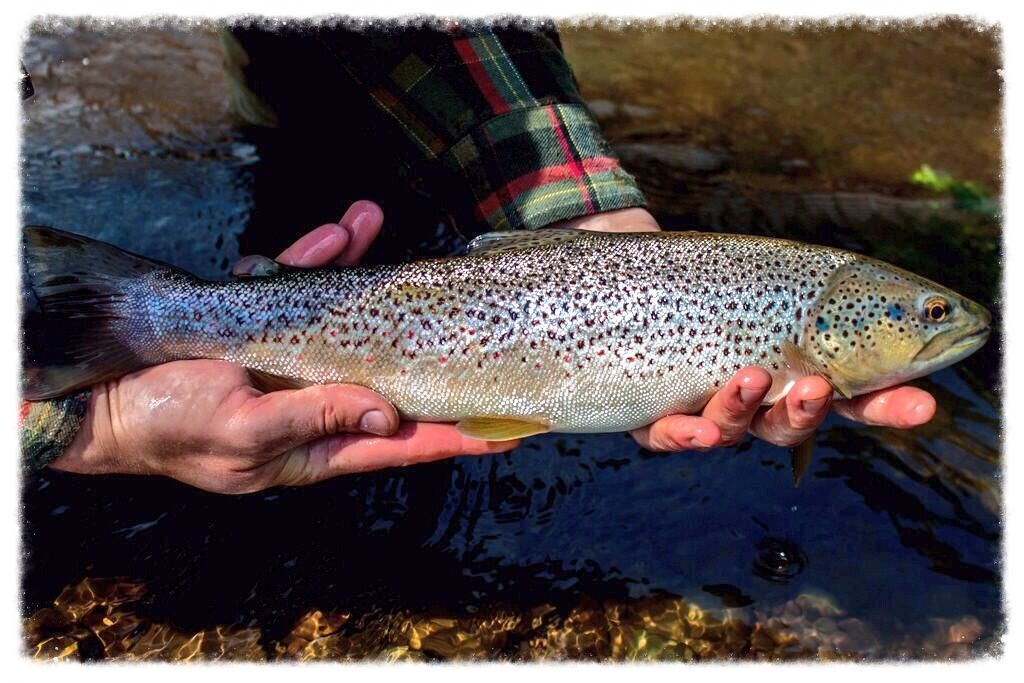
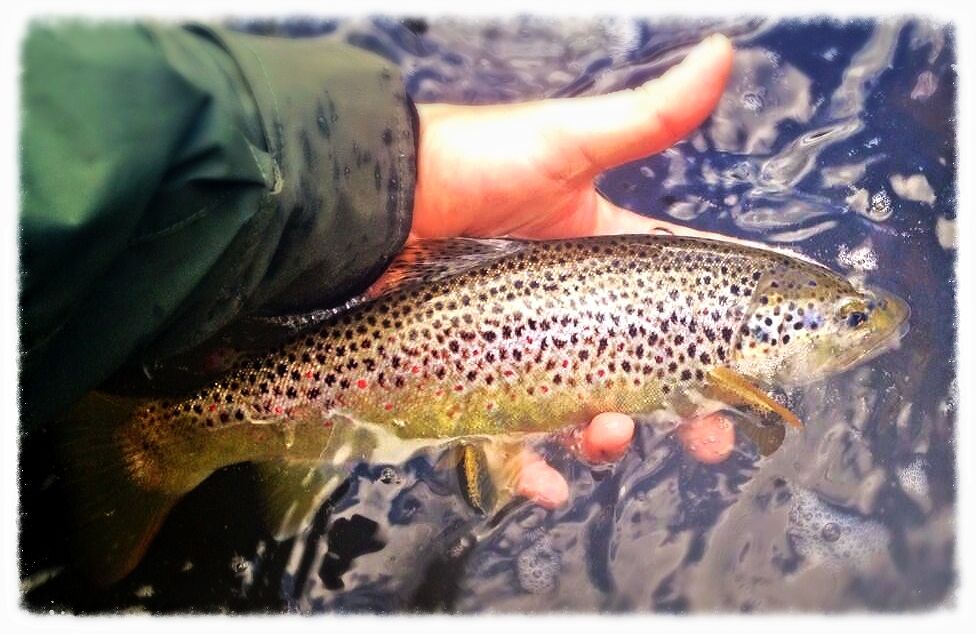
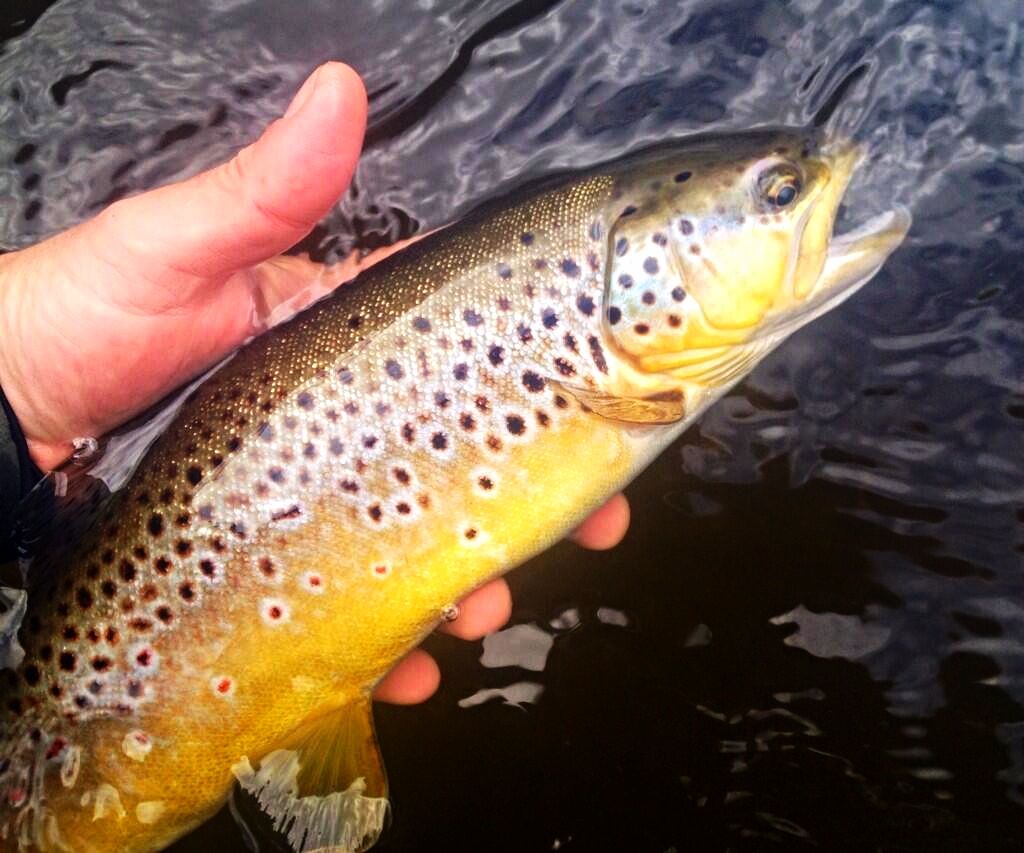
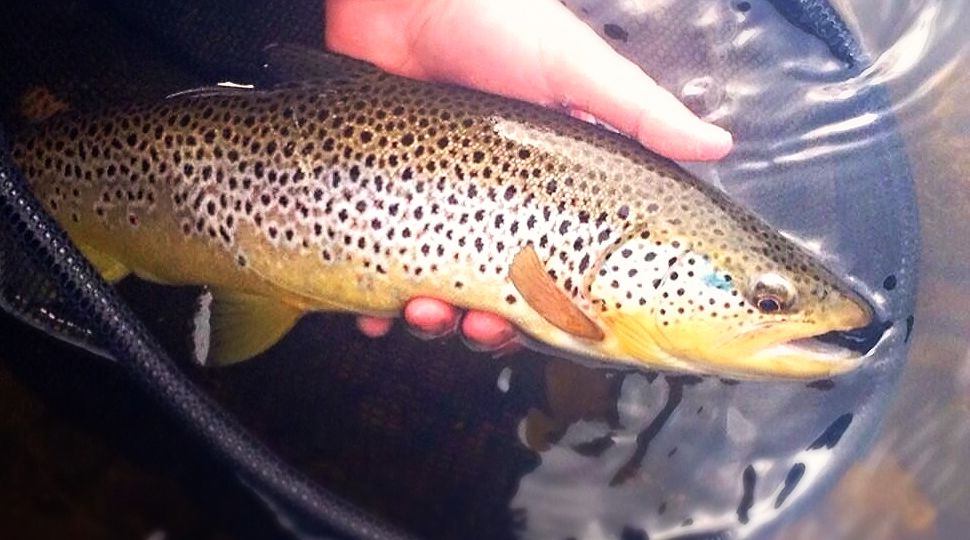
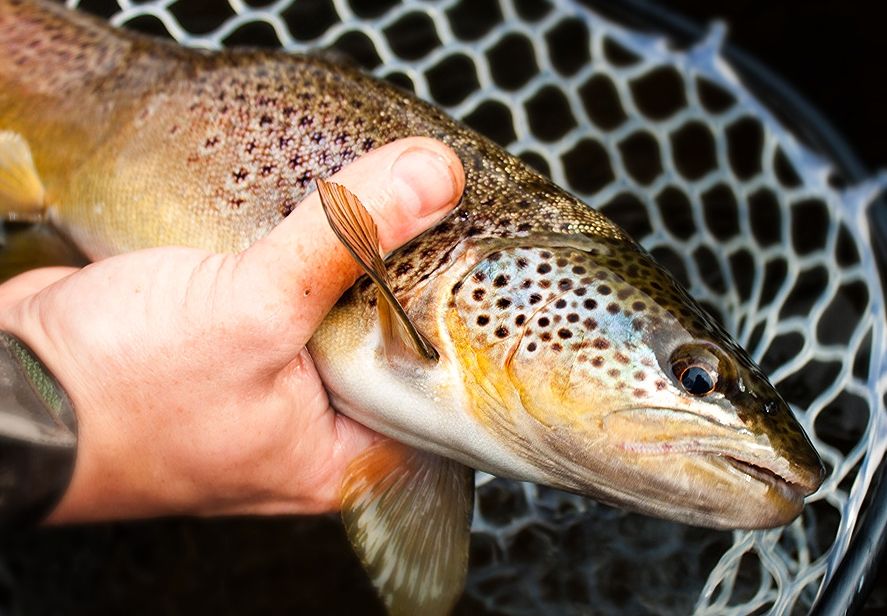
The prize - 17 inch Monnow beauty


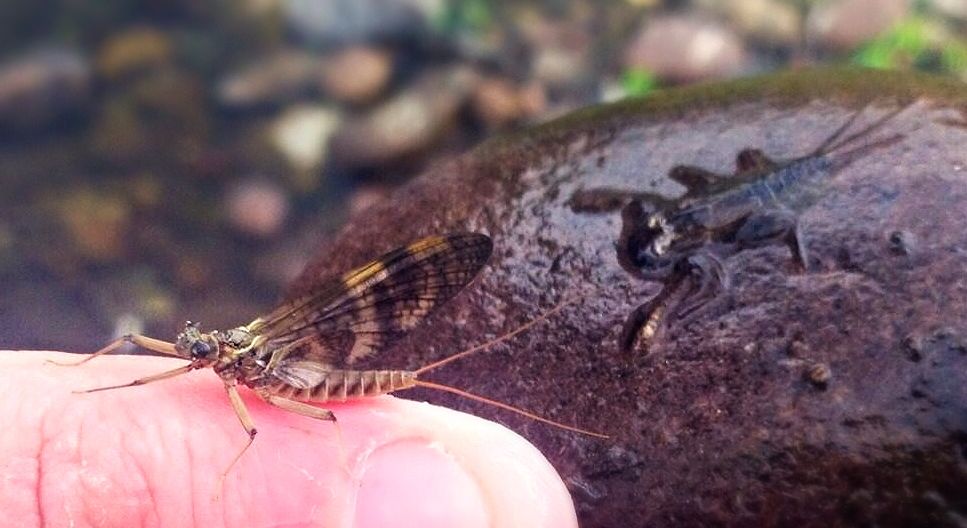
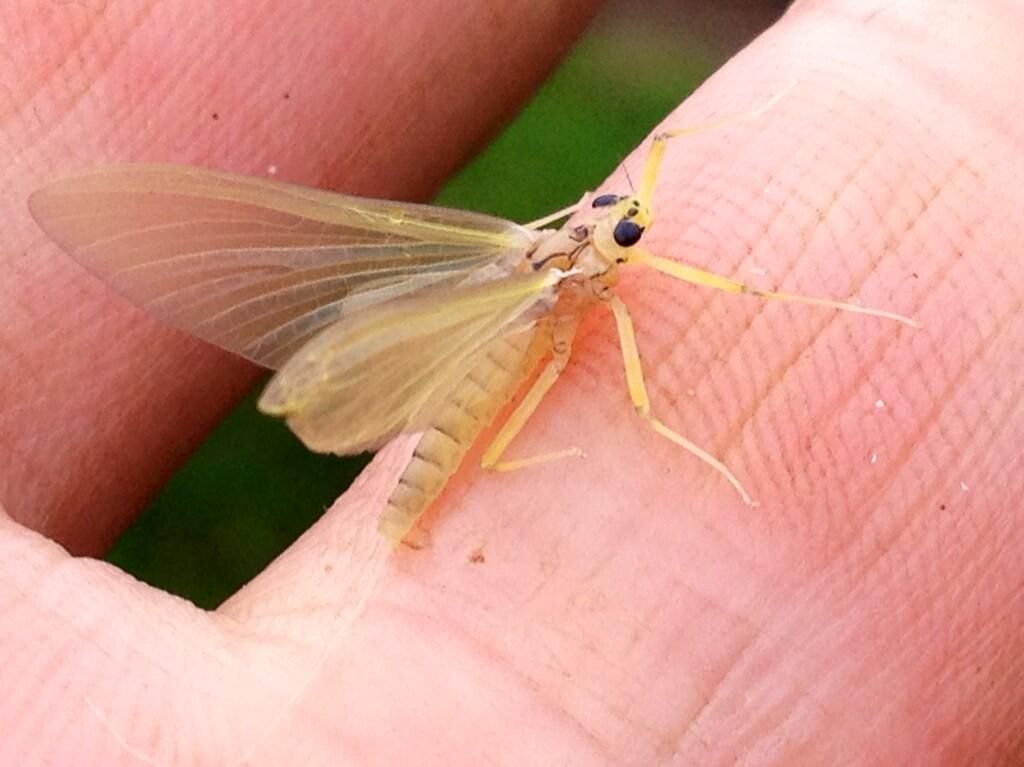
Brushing my teeth that morning I noticed a female LDO spinner on the bathroom mirror. Was this a sign of things to follow that day? I suspected not. Dave and I anticipated a hatch of Large Brook Duns (LBDs). This proved to be the case with fish targeting the emerging duns in the faster water.
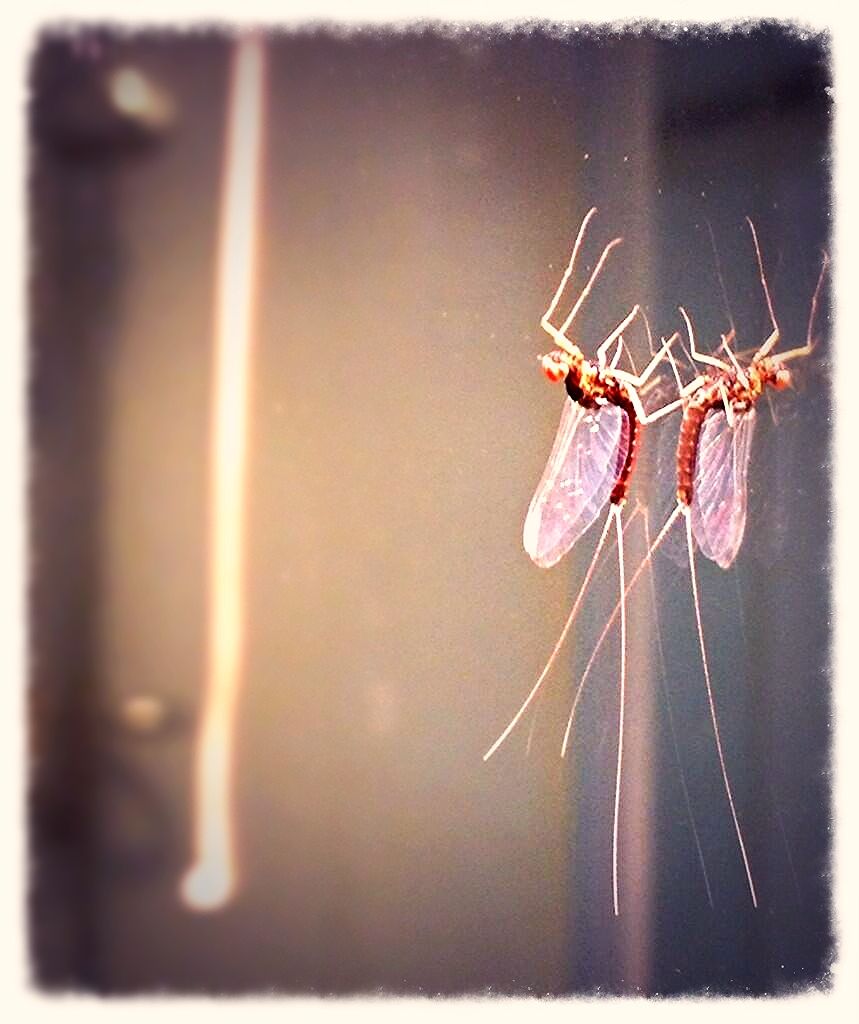

Reflection

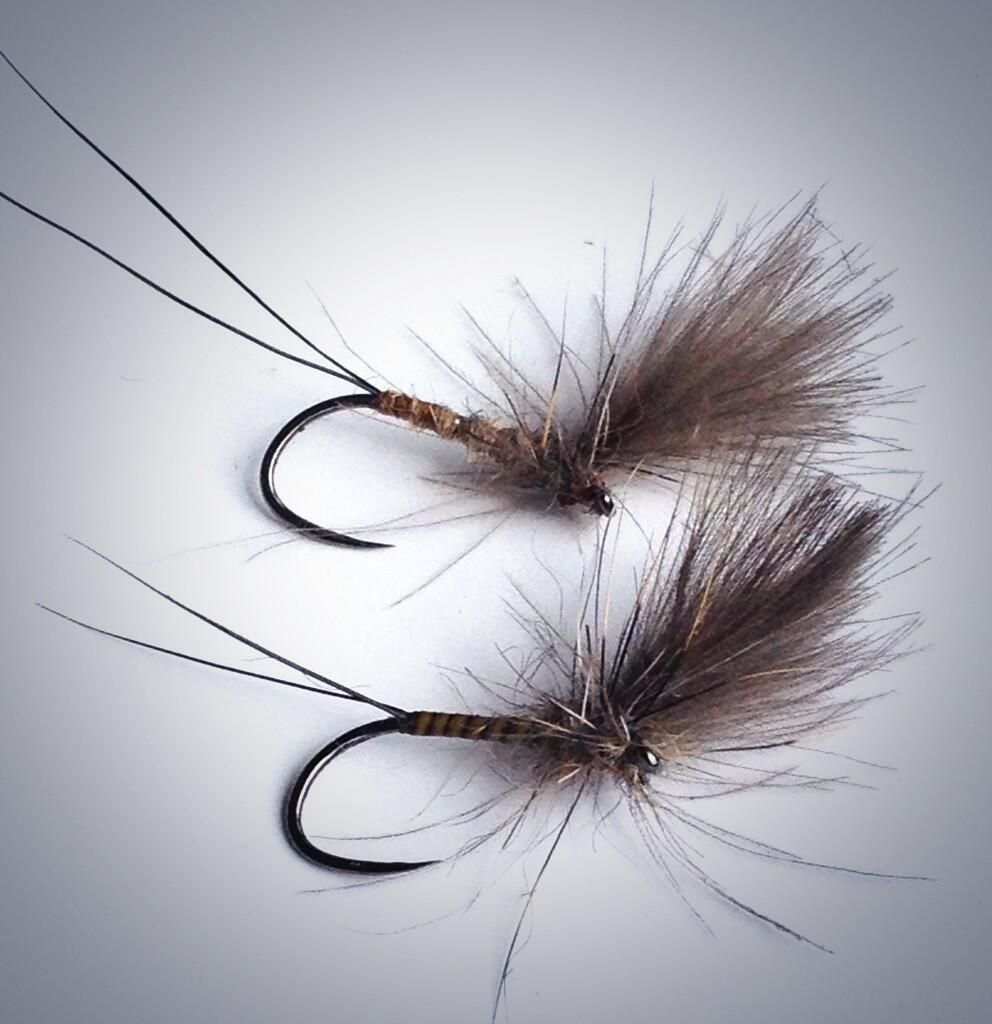
We had taken it in turns to cautiously cast to those we spotted. Most of the surface feeders were taken on a size 14 pearl butted Wyatt's deer hair emergers (DHEs), one of my favourite flies for this time of year.
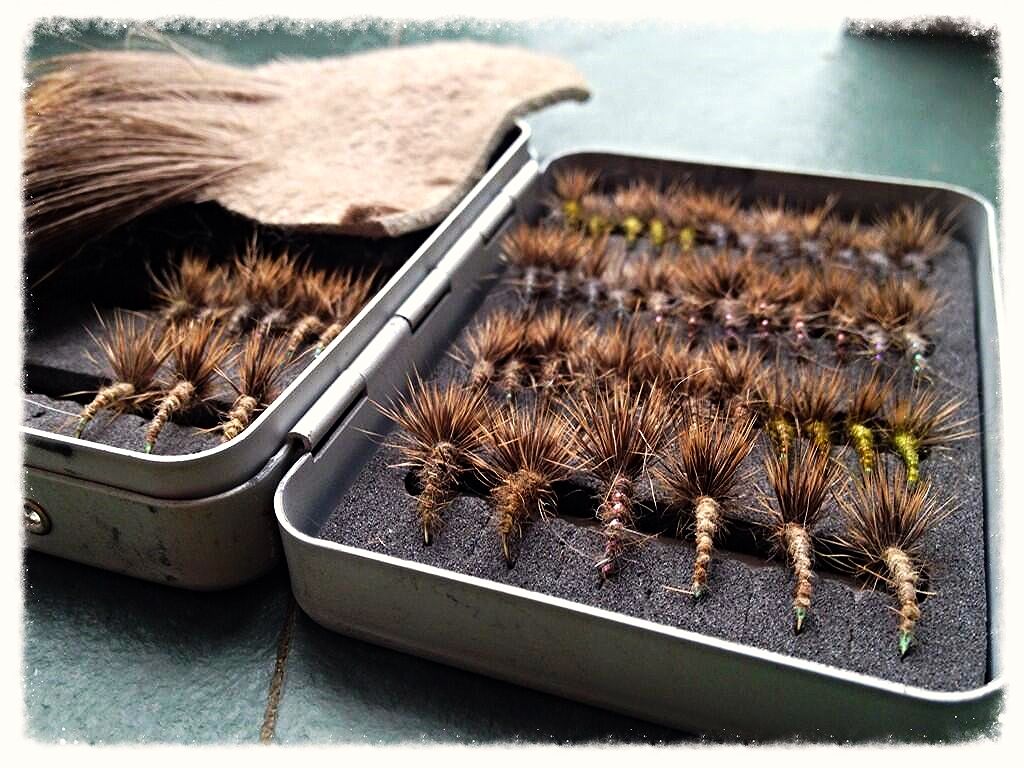

Wyatt's DHEs
When Dave managed to light the barbecue and cook our steak, we discussed the excellent conservation work that had taken place in the Monnow catchment and the upcoming Monnow Social.

Healthy lunch


Monnow Rivers Association (MRA)

A Potted History:

1998 - The DEFRA funded River Monnow Project commenced, and created the Monnow Fisheries Association (MFA) (now the Monnow Rivers Association) to improve the capacity of the river to support wild trout, grayling and other wildlife. Partners included the Game Conservancy Trust, the Wild Trout Trust (WTT), the Farming & Wildlife Advisory Group (FWAG) and local farmers.

1999 - A detailed survey of river habitat of the upper Monnow catchment identified important wildlife habitats and the extent of degradation resulting from livestock access, and quantified issues resulting from unmanaged bankside alders. The project offered farmers a programme of stock fencing and coppicing of bank-side trees and included a 10 year monitoring programme.

2003 - The first coppicing season commenced and continued annually until completion of the project in 2006.

2006 - The team continued to work with the
Wye and Usk Foundation and farmers to adjust farming practice to reduce siltation in spawning areas, improve fence maintenance and ensure re-coppicing of riverside trees.

2010 – The MRA initiated the ‘Going Native’ programme to maintain and expand habitat management and eradicate invasive species such as mink, signal crayfish, Himalayan balsam, Japanese knotweed and giant hogweed.


Key achievements:
  • The River Monnow Project:
    • Largest ever river habitat restoration project aimed at improving the stocks of brown trout and grayling (£1.5M and countless man hours)
    • Defra funding (£1.1M) was a record for such a project
    • No comparable project had been as comprehensively monitored or involved as many partner organisations
    • Met or exceeded DEFRA targets
  • Improved the fishing quality and enhanced the value to farmers and landowners
  • Eradicated mink and Himalayan Balsam
  • Water voles were reintroduced to the River Dore (Monnow tributary) 

On-going work of the MRA:

  • Volunteers monitor and trap mink that enter the Monnow catchment
  • Active participation in the Anglers’ Monitoring Initiative (monitoring fly life)
  • 'Going Native' continues to reintroduce important native species such as water voles, white clawed crayfish and ranunculus
  • Continued marketing to increase the number of anglers visiting the river
  • Engagement with local schools through the WTT’s ‘Mayfly in The Classroom’ project
  • An annual auction and ‘The Monnow Social’ fund raising event


The late Peter Lapsley fully describes the achievements of the Monnow Rivers Association (and two of the people behind it) in his excellent FF&FT article ‘Men of the Monnow’ (February 2012 issue).
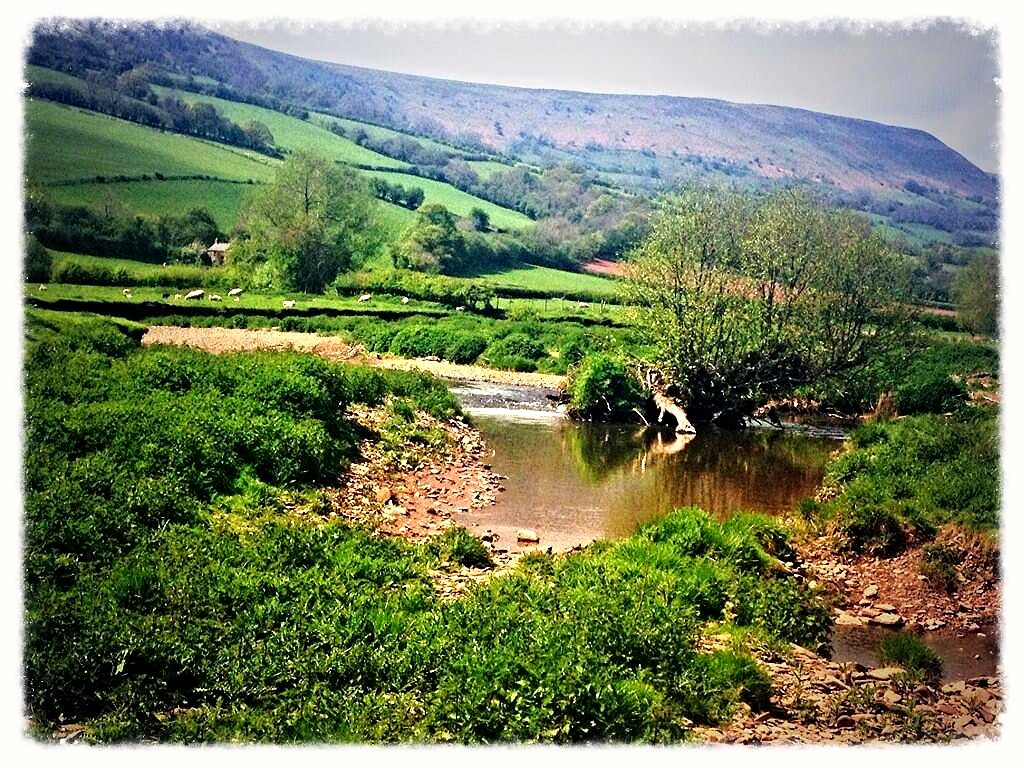

The quiet Monnow Valley

The Monnow Social, 9th - 11th May

Every year the MRA invites supporters to eat, sleep and be merry in a field on the Monmouthshire / Herefordshire border, and share in the fruits of their labour by fishing the River Monnow and its tributaries (see last year’s blog entry).

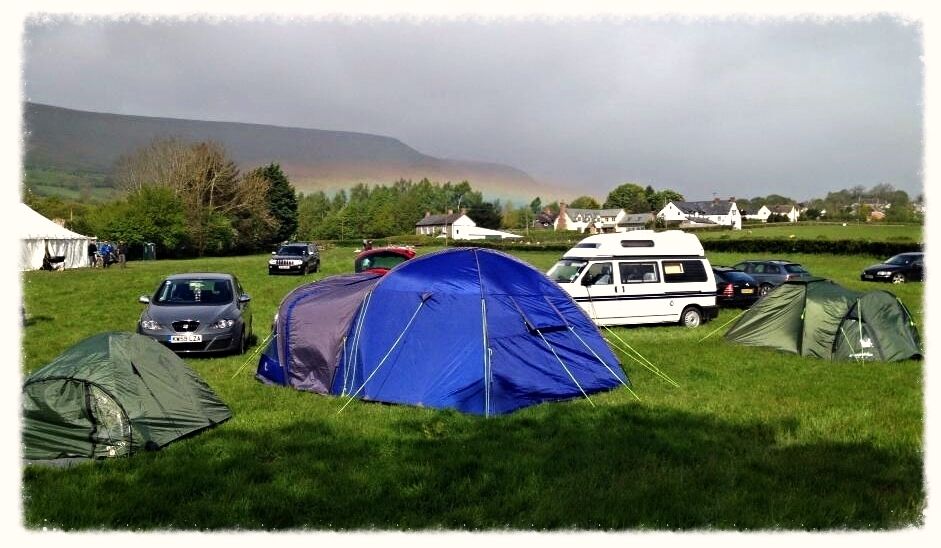
Longtown camping

Escley Magic

The forecast for the weekend was worrying with strong winds and heavy spells of rain predicted. I turned up early on a showery Friday afternoon with the intention of fishing one of the local brooks. After setting up camp and catching up with fellow Merthyr boy Gareth (who ties some of the best flies), I had the pleasure of watching Geraint land a lovely pounder from the slightly coloured Escley Brook at the bottom of the field.
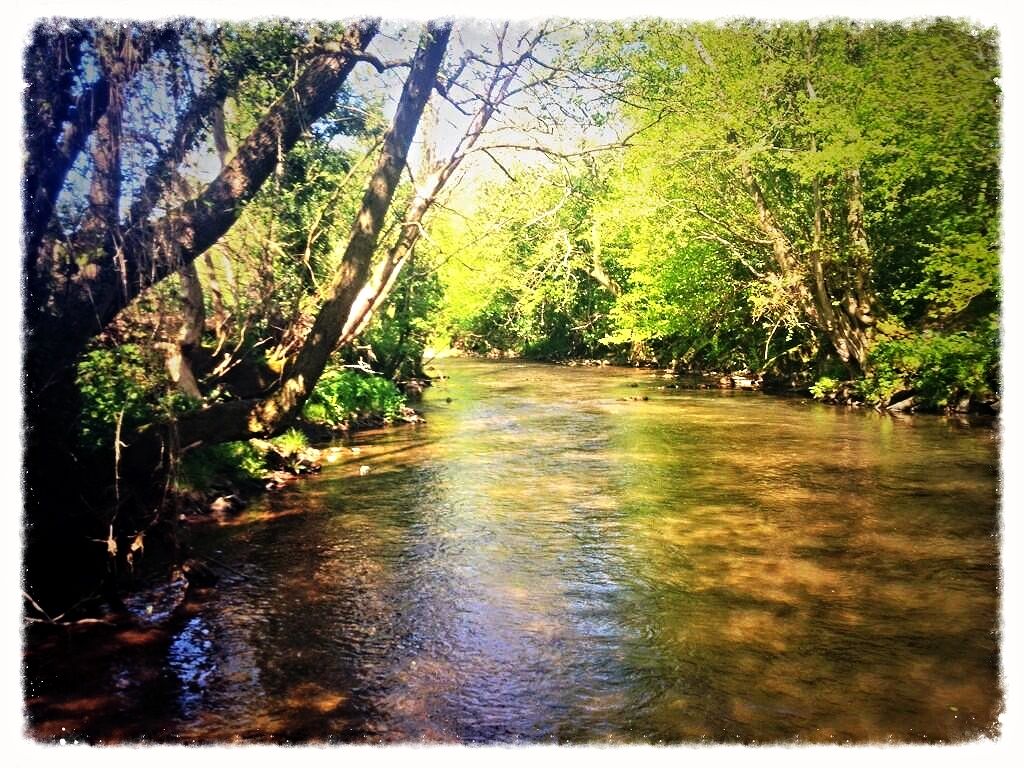

The tranquil Escley Brook
Under strict instructions from Rob Denny of the MRA, I drove down river to a picturesque stretch of the Escley. I was pleased to note the abundant fly life that included LDOs, chironomids, LBDs and a couple of budgerigar sized Danica mayfly. A good number of fish, including three over ten inches, were taken on black gnats, DHEs and (in the deeper runs) silver bead PTNs.


Escley trout
When I returned from my foray downstream most of my fellow fishermen had arrived and I spent the evening catching up with friends old and new.

The Raspberry

It was with bleary eyes that I enjoyed a cooked breakfast in the main tent on the Saturday morning. I expressed my concern that the main river would be colouring after the overnight rain. Those more familiar with the Monnow reassured me that I was being an old woman. I was delighted to learn that I would be on a lightly fished beat of the main river below Kentchurch and would be joined by Kris Kent.

We had a cracking day. 

As ever the fishing was challenging but the trout came steadily. Kris was easy company as we took it in turns to target rising fish or work through runs.
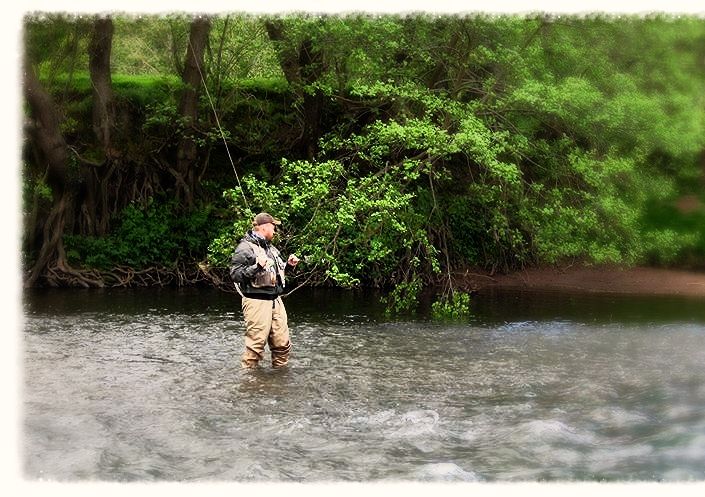

On the Edge - a number of fish were lying in the back water beneath the tree


There was an 8 inch trout behind the log


The largest fish of the day was landed by Kris and I was clearly over the moon to net and return it for him.
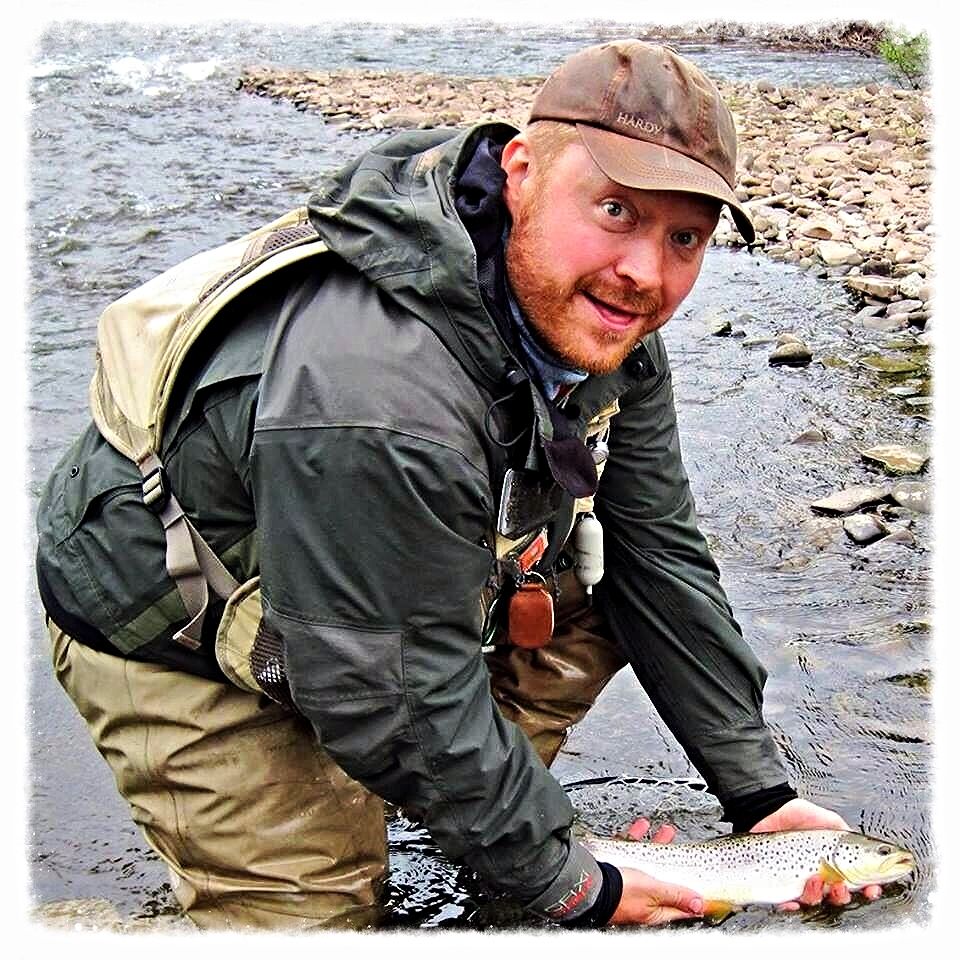
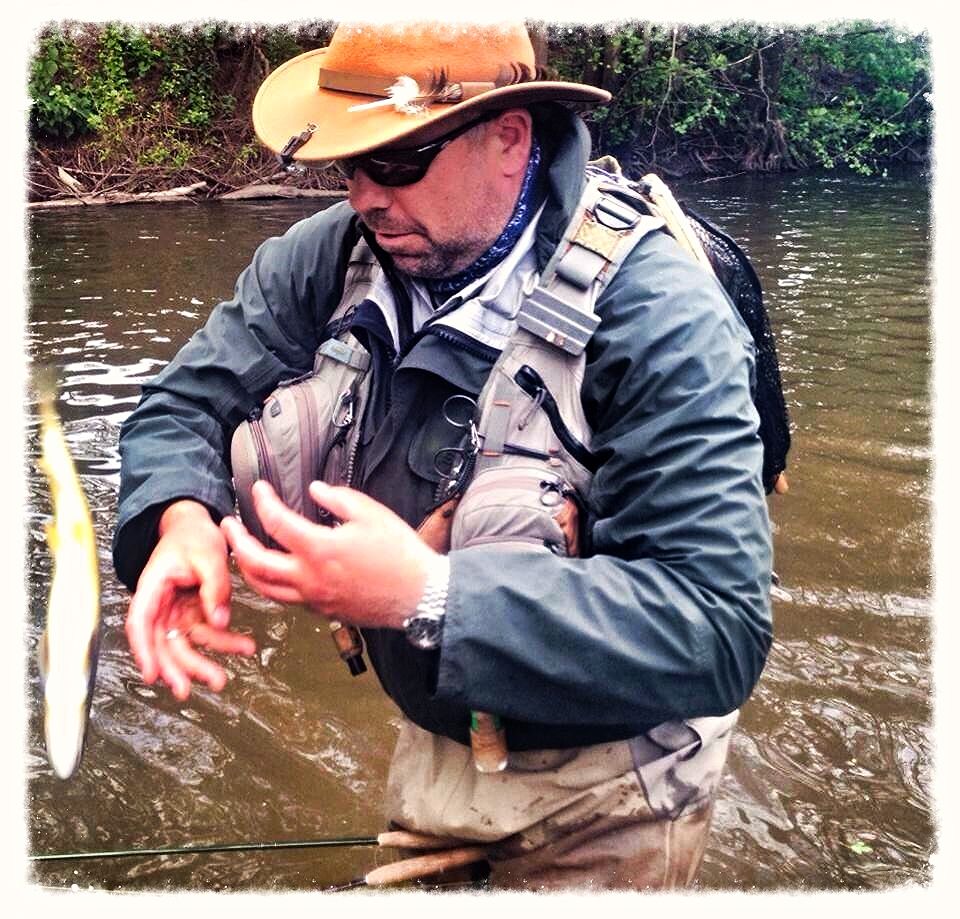
My special fishing face


Kris' 16 inch Monnow trout


Kris caught most of his fish on dries whereas I caught around half of mine on nymphs, mainly in the morning. In the early afternoon we arrived at a pool that held two rising fish. It was Kris' turn and he efficiently hooked and landed the first, although the return wasn't as polished.
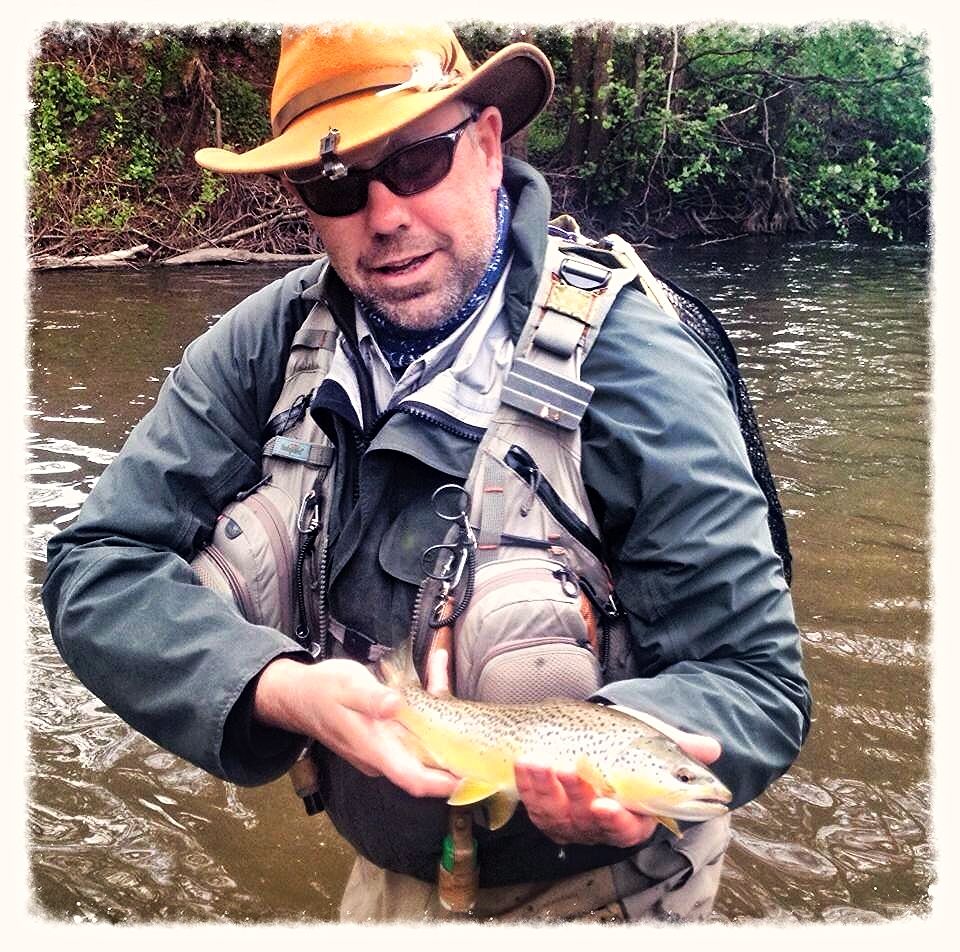


At 6'4'', Kris 'making them look small'
Caution: slippery when wet


The second fish looked big and was bubbling away in a back eddy in front of a protruding root. The position meant that if the trout didn't take my olive emerger then I would either have to lift off quickly and spook the fish or pull it slowly and risk hooking the root. With a wry smile, Kris settled down on the bank - he expected to be there for some time.

My first attempt resulted in a connection, unfortunately, with the root. Tying on a new tippet and fly gave the fish enough time to start feeding again. The second attempt went exactly the same way, as did the third. I'm ashamed to say that feeling a bit like Robert the Bruce's spider I was tempted to come back to my nemesis after lunch.

As I was tying another leader, a patient Kris - who, by now, had opened a beer - noticed the fish take a mayfly dun. The first we'd seen all day.

The fourth cast was made a good half an hour after the first and my Procter mayfly emerger was confidently accepted. That it wasn't as big as we'd thought didn't matter one bit; I was very pleased to have caught a difficult fish.

After lunch Kris and I spotted a rise in some slow water. I cast a few times and elicited no response. As it didn't rise again, Kris walked upstream to look for more surface feeders. A new fish then rose downstream of me in the main current. I collapsed my cast and, as I lowered the rod tip to maintain drag free drift, a large burgundy-looking mouth engulfed the fly. Immediately, I knew I was connected to a very good fish (or a 'raspberry' as they are referred to on the Monnow) and I shouted for Kris who, unfortunately, was out of earshot.

The fish ran hard  downstream towards a stand of willow on the near bank. With two thirds of my line off the reel and the rod high above my head I applied side strain before it made the roots. This proved futile and, as I watched the rod arc and the fly line tighten over the water, I felt that horrible sudden release of pressure as my 6x copolymer snapped. I'd lost two very big fish in two weeks and wasn't even in that contest. Another 'raspberry' blown.
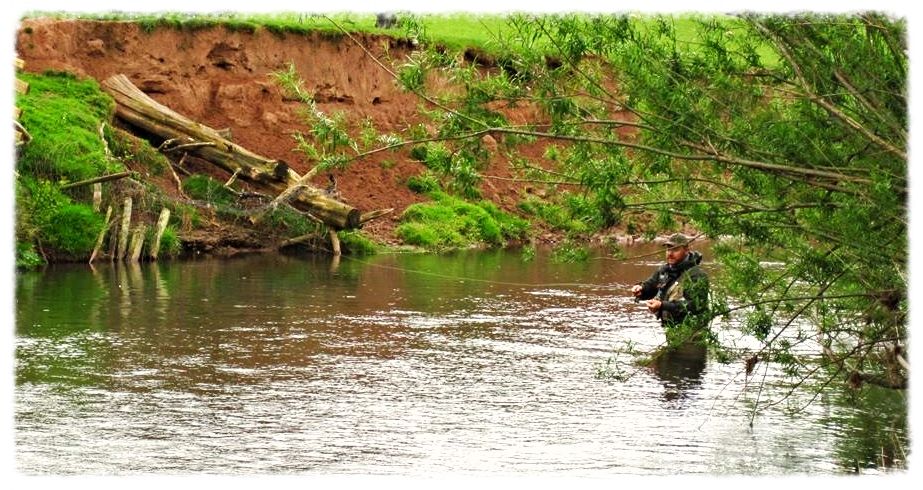

Calm before the storm

It was with a face like a fighting man's posterior that I walked upriver to show Kris the two stubs where the tippet had snapped below my tucked blood knot (where it goes through the eye of the fly).

That evening Kris informed that I had looked like I was going to cry. Noting Morgan's comment that I should stop taking things so seriously, I drank deep.   

LBD Heaven

At breakfast, after a long and hilarious evening that included the brilliant Monnow Social Auction, I was informed that I would be accompanied on another lightly fished upper main stem beat by Dorset duo John and Ian. Again, I'd got lucky.

Dave showed us the beat and by the late morning I was using duo tactics to tempt several fish, all over 10 inches. As very few were rising, John was also nymphing but Ian had caught a trout of over a pound and a half on the surface.
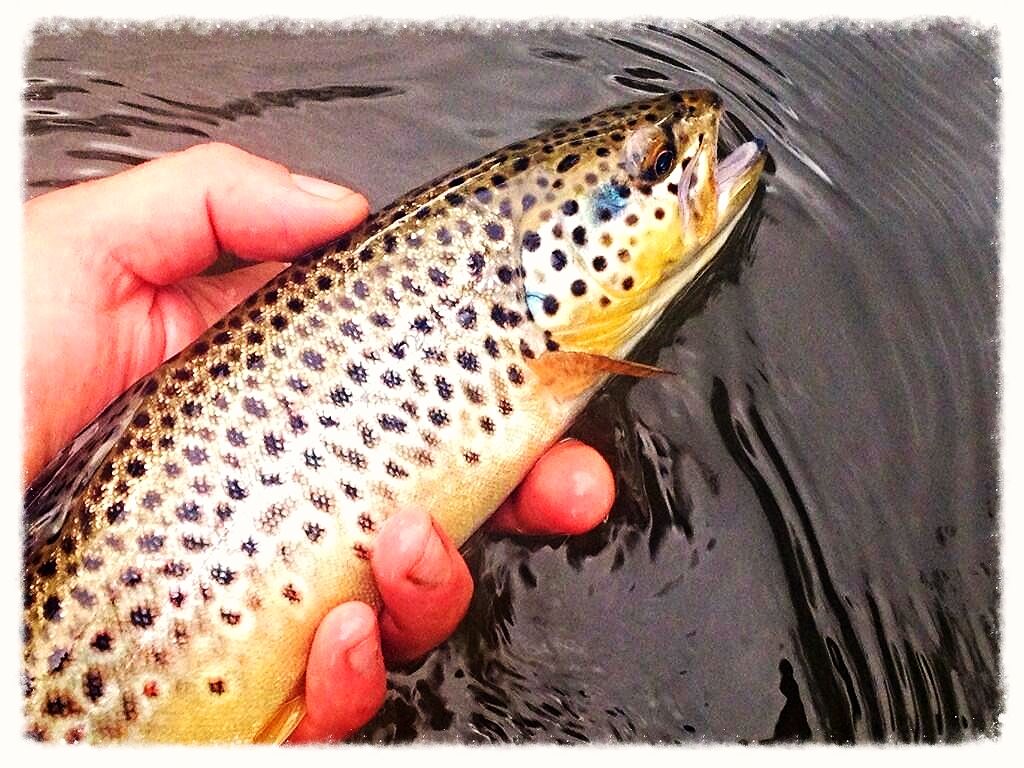

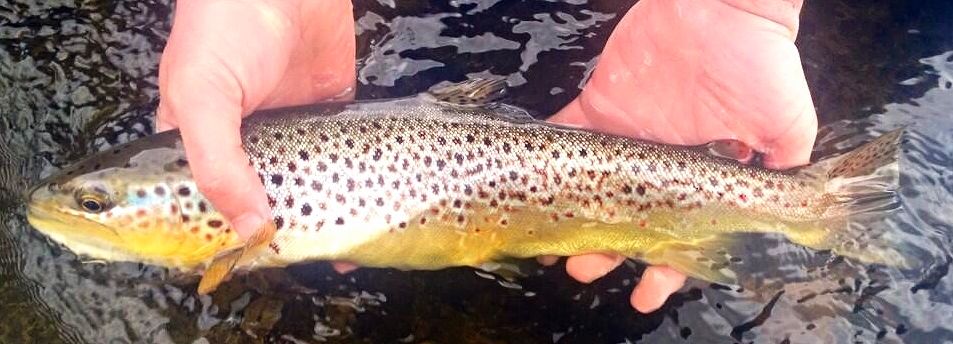
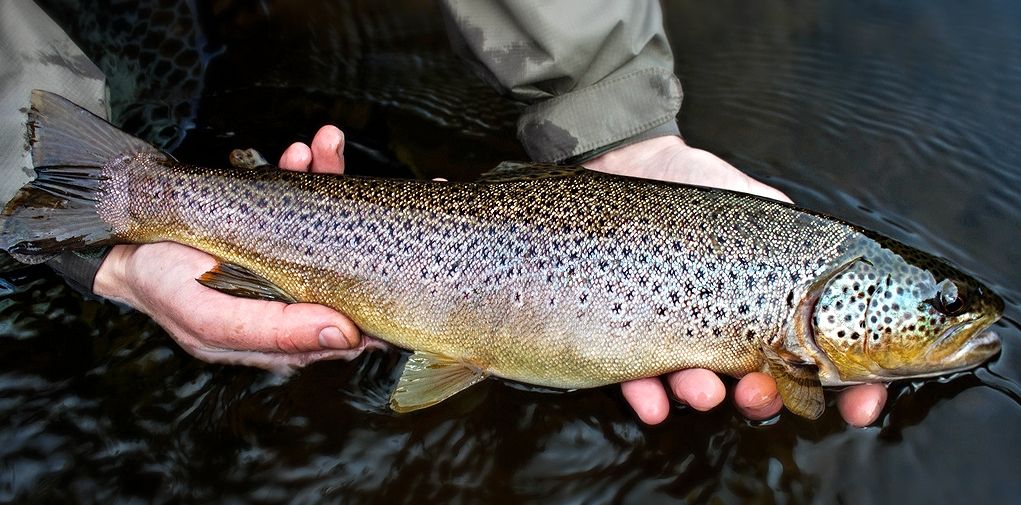
Well marked Monnow trout

In the early afternoon the LBDs began to hatch. Knowing that the fish nearly always respond, I changed tactics. The hungry trout readily accepted my DHE, until I came to a tree lined stretch where (by now) rafts of LBDs were sailing into small back eddies formed by roots of alder and willow, and where feeding fish lay in wait.

The eddies were small so I had to land the fly quite close upstream of the fish. A dun pattern (pictured in my last entry) was better suited to this tactic and stage of the hatch.

I picked off numerous fish while marvelling at the average stamp. The trout were comparable to those caught on a good day on the Usk.

At the top of the run, in the first small back water, I cast to a dimple rise. My target took first time and, as I'd just had some practice in turning these fish from the roots, I manoeuvred it into open water. I slid the net under the 18 inch trout and observed the broad silvery form of a fantastically conditioned fish. Not quite a 'raspberry' but just as memorable.  


Return on investment - an 18 inch Monnow LBD feeder


With the run fished out (for now), I walked upstream to find my companions and was very pleased to see Ian and John catch a number of good fish on LBD and mayfly patterns.

Sitting on the bank, I heard a familiar, barely audible sound. I watched the main bubble lane and noticed the occasional LBD almost disappear. There was a big fish sipping duns or, as my mate Aled would say, "giving them a sws" (a little Welsh kiss).

I took a few deep breaths and cast. The fish rose and I struck fresh air. I sat there for another thirty minutes and it didn't resume feeding; I'd spooked it.  After that I returned every half an hour but didn't see it again. If I ever get invited back (CLANG!) then that's the first pool I'll be heading for.


Just Desserts

I was born on May 10th and had a superb birthday weekend both fishing and socialising. The Monnow catchment is one of the best managed in the UK and it was a privilege to pursue such quality trout in the serene valley.

The persistent hard work undertaken by the MRA to improve this unique river is clearly reflected in the four days of excellent fishing described above. In this case, we all get out what they put in. 
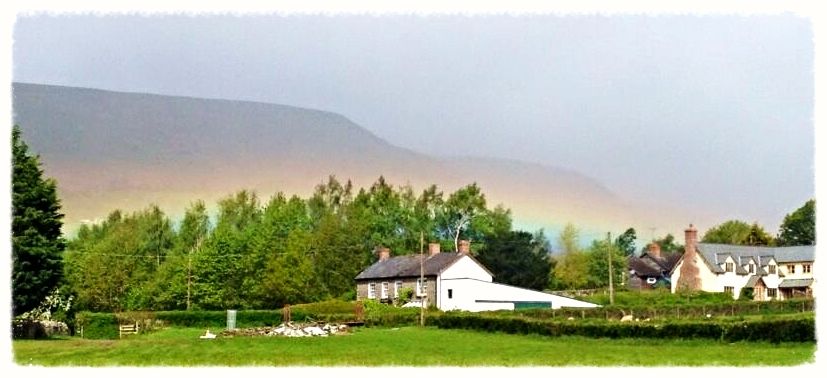


Monnow Valley rainbow

*Thanks to Dave Smith and Kris Kent for a few of the shots above


Wednesday, 7 May 2014

False Starts - River Usk and River Taff, April 2014

What a Difference a Day Makes

Bryn Derwen, River Usk, 12th & 13th April


It was Saturday morning. I had grilled a few cuts of Raglan pig and was relieved when Welsh exile and itinerant angler, Morgan, arrived on time. We had not fished the new beat together and, even though the river was up 15cm and (worse) there was a stiff easterly wind, I was eager to get out.

We had two days and, so rather than just fish a single beat, we drove a mile or so downstream to Llan Farm (GAS water). Upon arrival, the wind funnelled upstream and it was clear I had made a poor choice. A false start.

Back upstream we fished hard until 5pm with only a few fish taken on nymphs. We located no surface feeders and saw very few flies, even in the sheltered spots. The wading on this deep wide beat again proved challenging. The river appeared dead, and we concluded the grannom emergence, that promised much at the end of March, had fizzled out. I was not disheartened as the forecast was far better for the Sunday and the river was dropping fast.

Following more local bacon, and with heads as clear as the spring sky (we must be getting old), we were pleased to be met by still conditions. Immediately, we noticed a few egg laying grannom bouncing on the surface film and were delighted by the sight of a few rising fish.

A better day

We assumed they were feeding on the spent sedge and selected size 16 split wing CDC and Elk patterns. As fish were again feeding on the far bank, to achieve successful presentation we had to wade deep and cast long; a large upstream aerial mend and a sixteen foot leader helped to achieve the essential drag free drift. When the cast was timed correctly and the presentation spot on the fish accepted our flies and we caught most of those we targeted.


17 inch Bryn Derwen trout


Deep wading reaps rewards
Morgan is a purist at heart and I was pleased that he had some top of the water sport in the peaceful surroundings before his two hour drive back to the rush of the City where they ‘don’t have weather’.

Spectator sport

The Leviathan

Upper Taff, 26th April


Dan arrived for breakfast at mine (more pig) before we planned to fish the Usk. I was worried due to the previous day's rain. As we walked, river bound, through protective ewes and curious lambs, I could make out the reddish brown water. Another false start.

Retracing Dan’s journey, we arrived at the elevated and slightly stained Upper Taff at 10.30 and elected to fish duo tactics with small silver and copper bead PTNs on the dink. This was my first time on this part of the Taff this season and I was excited by the prospect of the eighteen inch plus fish that we often spot in the shallow river.

We worked our way upstream taking it in turns to fish through the runs, with both of us catching four or five fish to nymphs. The river had changed over the wet winter and there was a strong and gusty southerly wind that I thought would kill any top of the water sport.

Upper Taff trout

At a favoured long, slow pool the recently arrived house martins were hammering a big hatch of Large Dark Olives (LDOs) and Large Brook Duns (LBDs); a superb site in these urban surroundings. Dan nodded at the river – ‘here we go butty’.

I know no one that understands this piece of water like Dan. He is an instinctive angler and can spot and catch Upper Taff trout in water that most would walk past (or wade through). Just as Morgan was my guest at Bryn Derwen, I was Dan’s there.

We started fishing LDO (emerger and then dun) patterns and caught a few to fifteen inches. We missed only one that I put down when the wind caught my line. Frustrated, I stood and waited until Dan beckoned from further up. In the fast water above the pool, LBDs were hatching in abundance and we needed to change patterns.

Before and after - Large Brook Dun nymph and sub-imago


Large Brook Duns

Hook: Size 14 - Hanak H 130 BL
Tail: Moose mane
Body: Golden olive quill or light hare's mask ribbed with brown Hends body quill
Thorax: Darker Hare's mask with guard hairs
Wing: CDC


Dan gave me one of his LBD patterns (see similar above). We targeted feeding fish that were on the fin traversing the shallow, clearing river. When fish and fly coincided, we connected. These fish were in superb condition and Dan caught the largest at eighteen inches.
 

18 inch Taff trout

Another to the LBD imitation
We continued to another deep pool, spotting a good trout, I covered, hooked and landed it. It was a wild late afternoon with driving rain and howling wind. We were nearly ready to go home but I elected to have a few last casts with a nymph. As I changed my fly, Dan commented that he could make out the movement of a fish lying deep.

He was right, and it took my size 18 silver bead flashback PTN first cast. For a second it felt like the bottom, ‘Big fish butt!’ I shouted, then all Hell broke loose.

It was a monster brown trout that tail walked and then jumped three times. I swore repeatedly as the fish ran to every snag in the pool, then at me, then at Dan who turned to laugh at the bend in my rod (and the look on my face). In what must have been a comical scene for passing motorists, I bellowed over the wind (melodramatically),

‘It’s going to pop!’ With one hand on the handle and the other on the blank, I kept the rod high and applied side strain as smoothly as my shaking hands would allow. During the ‘jumping phase’ I had noted that the fly was visible in the fish’s mouth but now Dan, who was in the water waving my net, had some unwelcome news.

‘I don’t want to worry you, but the fly is now in his back’. I suspect it dislodged, and relocated, on the last jump and felt sorry this was no longer to be a fair catch. I still wanted my picture with the bugger though and so, with pulse booming in temple, did my best to pump the rod and bring it over my inadequate net. There may have been a split-second opportunity for a lunge (I doubt it would have worked), after which the angry trout ran hard towards a boulder and the fly worked free. As he saw it for longer than me, I asked Dan,

'How big?'

‘It was a leviathan!’ was all he would say.

On the walk back to the car we made determined noises about ‘getting him again’.

Like a Pig


This April, the local rivers didn’t disappoint and from what I’ve seen and heard from others, some quality fishing was had throughout Wales (particularly on the Upper Wye and Usk). I’ve recently seen a few Usk Yellow May Duns and Mayfly; with these hatches to look forward to, and the river on my doorstep, I’m (as a neighbour recently joked to my wife) ‘like a pig in shit’.

Yellow May Dun


Wednesday, 2 April 2014

Brand New Beat - March Browns and Grannom, River Usk, March 2014

Death, Taxes and Leaky Waders - Ty Mawr (GAS), 14th March

American author John Gierach called it right; there are three certainties in life, namely 'Death, Taxes and Leaky Waders'. The inevitable came to mind, yet again, on a windy Friday afternoon the day before the Ides of March. It was my first session of the year on the Usk and I could feel cold patches spreading beneath my Simms G3s. This, and the strong northerly wind, was making me irritable but the stunning scenery set against a blue sky, the sight of long tailed tits and  the occasional Large Dark Olive (LDO) eased my troubled mind.

Trout were hard to come by, especially rising trout. Nymph tactics brought two to a size 12 hare and squirrel fur jig nymph that I copied from Terry Bromwell. This early season fly has served me well as a loose imitation of a March Brown (rithrogena germanica) nymph (I think).

Between gusts - Ty Mawr, March 2014

Becoming Acquainted - Bryn Derwen, 15th &16th March

On Saturday and Sunday (11.00am until 3.00pm), with crudely glued waders, I enjoyed (slightly) less windy conditions. I recently joined the Bryn Derwen Sporting syndicate and I am yet to get to know the beat, but as the fishing starts a couple of hundred metres from my house, I hope to do so over the coming season.

I caught three on Saturday and seven or eight on Sunday, nothing over 13 inches and all on the same nymph. I spotted only three oncers rising to the sparse hatches of March Browns and Large Dark Olives.

It was pleasing to see the Usk March Browns and I think that a report from Dave Collins the previous week may have been the earliest recorded UK sighting for 2014. These flies look similar to Large Brook Duns (LBDs) but I wouldn't usually expect to see LBDs until well into April. Upon close inspection, the March Browns I collected were identifiable by the presence of black areas on all femurs (upper legs), the absence of a yellow leading edge to wing and dark brown bodies with distinct gold(ish) banding.


Image courtesy of Dave Collins

Warming Up - Bryn Derwen, 22nd & 23rd March

The following weekend there were small hatches of LDOs and a few good flurries of March Browns. Despite the wind the fish began to look up; the occasional rising fish that would oblige when flies were hatching. I caught three on the Saturday (two to a CDC LDO dun pattern and another to a March Brown emerger) and three on the Sunday (all to the March Brown emerger).

The first top of the water trout of the season
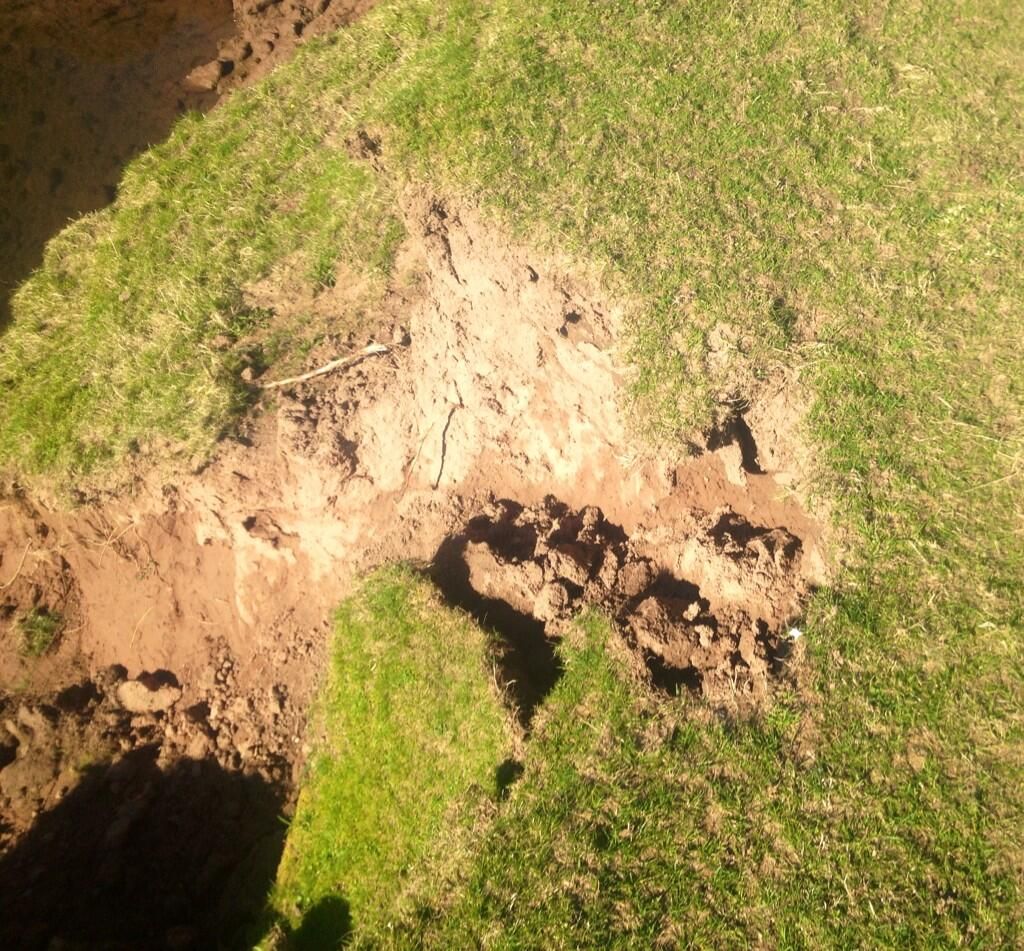
On the first day, I managed to fall down when a badly undercut bank gave way. I jarred my left shoulder but luckily I cast right handed.


Falling down
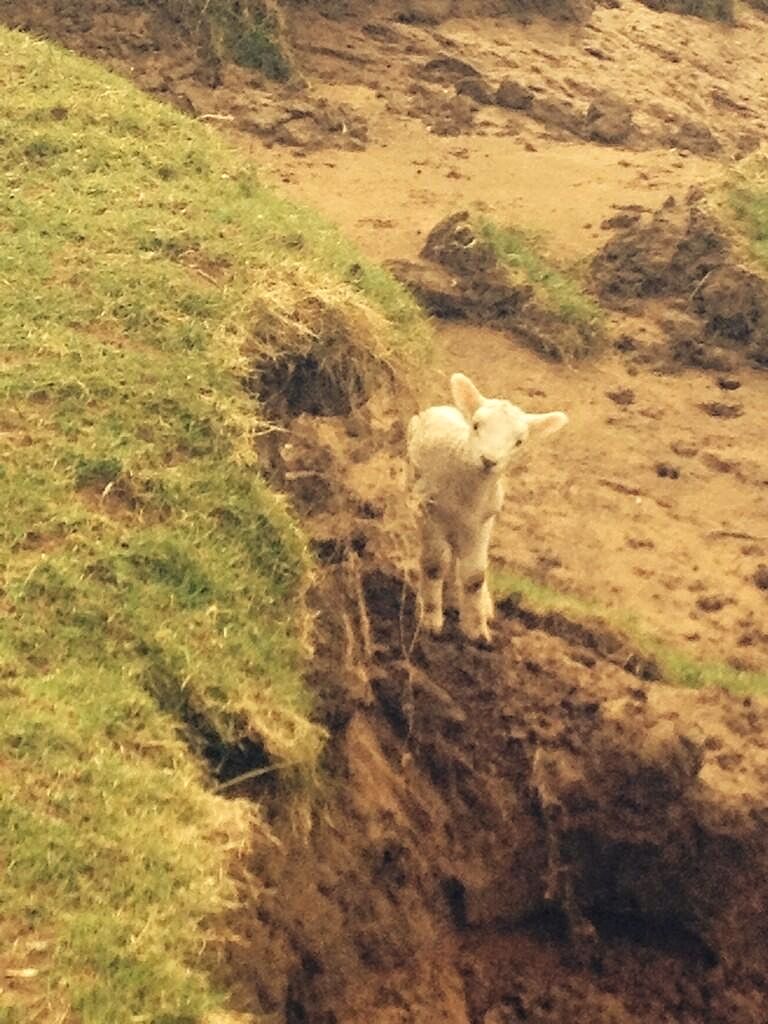
The next day I came across a frightened looking lamb and returned it to its ewe. She had fallen down the same section of bank and I smiled as my shoulder reminded me when I lifted her to field level.

In spite of my good deed the wader Gods frowned upon me once more and my left leg was soaking by the end of the session.
River bank emergency

Grannom - Bryn Derwen, 31st March

Last Monday Dave Smith visited to help me 'get know the new beat'. I hadn't seen Dave for a few months and was looking forward to putting the world to rights and, hopefully, catching a few on the surface.  

After breakfast we tackled up and walked to the river where we noticed clouds of flies drifting up stream - unmistakably grannom. The previous day, Mark Roberts had informed me that they'd begun to hatch further up. Dave and I scanned the water and almost immediately observed a number of kidney shaped rise forms towards the far bank. A sure sign! We knew then were in for a good day and my hands trembled slightly and I talked too much as I tied on a GH grannom/sedge emerger.


Gwilym Hughes and Dave Collins Grannom emergers


We expect grannom to start hatching from the second week of April, but I couldn't recall whether I'd seen them earlier than this year, and so consulted a very experienced fly fisherman, Dave Collins (see the emerger above). He remembers (and so do I now) that about five years ago, after a very warm February and a winter of low water levels, they were present from the third week of March. He also informed me that we saw Yellow Mays in the fourth week in April that year (when we usually expect to see them the first week in May).


In Deep

To allow more control and drag free drift, I try to carefully wade within about ten metres of a rising fish, but this is not always possible on the wide, deep lower Usk. As the water levels were high and the majority of fish feeding tight to the opposite bank, Dave and I had to wade deep and cast long. This was made more difficult by a limited back cast in many areas. 

I was using an 11ft #3 loaded with a 4 weight line. The longer rod offers more control at distance and the 4 weight line allows me to work the rod with less line in the air (I normally fish 'one up' when sewin fishing).


Fish rising on the opposite bank...
Timing our casts correctly, we caught fish. The targets would not respond immediately after rising with the most enthusiastic feeding at around thirty second intervals. We took it in turns to spot and cast to fish, both losing large trout that had appeared highly efficient feeders in their bankside lies.


Bryn Derwen beauty


Average stamp
We were impressed by the stamp of the fish (and the numbers in evidence) and, by lunch time, were at the top of our waders targeting what were very challenging trout.

Dave - and for my next trick...
The fish, again tight to the opposite bank, were stationed just off the cover of tree roots and submerged branches. They required a long slack line but (thankfully) were feeding confidently and we successfully hooked many of them.


Gill plate blues


Root and branch
We worked our way slowly upstream picking fish off as we went. On one of my 'turns' we noticed a very small kidney shaped indentation just off a clump of roots over deep water. Suspecting a large fish I concentrated. After a few nervous passes it took the CDC emerger and proved us correct.

Retreating to land the fish
Three or four minutes, a few heart stopping jumps and plenty of side strain later and the fish was in the net. Dave and I marvelled at the perfectly conditioned eighteen inch March beauty.

Grannom feeding Usk brown trout

Dave soon spotted what looked like another good fish, where the water was even deeper and the back cast more limited. Single minded in his approach, he overflowed his waders resulting in a slightly early bath for both of us (not that I minded as it had started raining and my waders were leaking again).

Certainties

Back at the house, we discussed our day over a warming cup of tea and, upon our goodbyes, Dave left me in no doubt that he would like to return to 'the new beat' in the near future.

I've all but given up on my year old Simms waders and, in a desperate attempt to keep dry, I have chanced my arm, ordering a reconditioned pair of Vision waders from Diver Dave. At £120, considering the places I fish and (I'm told) my odd shape, one other thing is certain:
 I'll be very happy if I can laugh in the face of Gierach and stay waterproof until the end of the season.

*Thanks to Dave Smith for some of the above images

Friday, 28 February 2014

Touching Distance - February 2014

Winter of Discontent 

During the wettest winter on record the local grayling fisheries were flooded for long periods, and I only managed four sessions in total. Hugely disappointing. 


Another winter pastime also suffered as I didn't do much ferreting. To make matters worse Nel, my lurcher, has a severely damaged back leg and will be permanently lame. I think a lot of the bitch and this is a bitter blow.


Long netting an orchard

Early Season Patterns

After time spent indoors my river trout fly boxes are somewhere near where I would like them.

Winter evenings
Over the last few years, there have been significant hatches of Large Brook Duns (LBDs) on the Usk and Taff, and improving hatches of March Browns on the Usk. While they are believed to emerge differently the nymphs, like the duns, looks similar and I have tied the following (size 12) pattern to imitate them.
 
LBD / MB Nymph

I have had success with the emerger pattern below on the Usk, Monnow and Taff. On the Monnow and Usk, fish have taken the fly during the sporadic hatches of March Browns. On the Taff they have taken this fly during large hatches of LBDs.

Reading John Goddard's Waterside Guide as a boy, I learnt that the stone clinging LBD nymphs don't hatch in open water and that an emerger pattern is of little value. I am no great entomologist, but what I know (now) is that increasing numbers of LBDs find their way onto the surface of the Taff and Usk, trout feed on them and the size 12 emerger below is successful at these times.
 
 
LBD / MB Emerger
 
We all know early season fish feed on Large Dark Olives and I have included a few of the patterns used to imitate the nymph and dun. I also catch fish on olive coloured CDC emerger patterns (similar to the one above) and olive jinglers.


UV Back PTN Jig
 
Olive Quill Paraduns
 
LDO Quill CDC Dun
 

The Red River

The season cannot come quickly enough. As all my thoughts turn to Usk trout, I know the river will be different this year. The high water has not only eroded banks but washed away natural features, fishermens' seats and even bridges. The pictures below were taken in the same spot, and at the same elevation, six months apart.


Summer low - Bryn Derwen, Usk, August 2013

The Red River - Bryn Derwen, Usk, February 2014
I have recently joined a syndicate to fish the Bryn Derwen beat, Usk (pictured above). This beat starts less than 200m from the house and is known for a couple of named salmon pools. It is lightly fished, especially for trout, and I hope to spend many happy hours becoming acquainted with the water and its inhabitants. I am also allowed to take a guest...

We need a dry week before the river drops to the desired level and, with unsettled weather forecast and the season commencing on Monday, it doesn't look good for the Usk.

As Elvis once sang - so close, yet so far.


Usk LDO dun feeder