Showing posts with label Mayfly. Show all posts

Sunday, 21 February 2016

Dry Summer - River Usk 2015

Winter's End 

As the wettest most miserable winter comes to a merciful end, and the trout season nears, I am compelled to recount last summer's dry fly fishing on the lower middle Usk. 


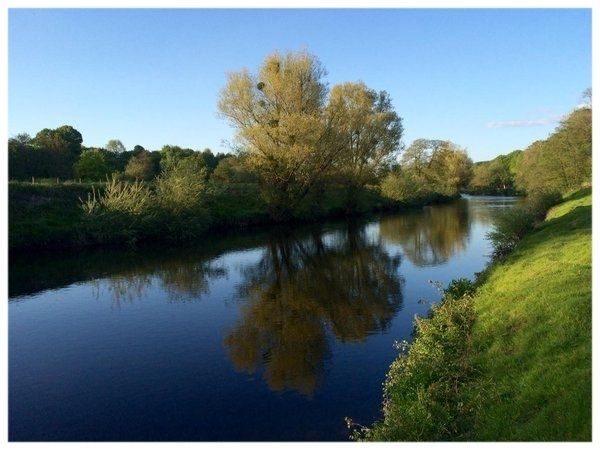
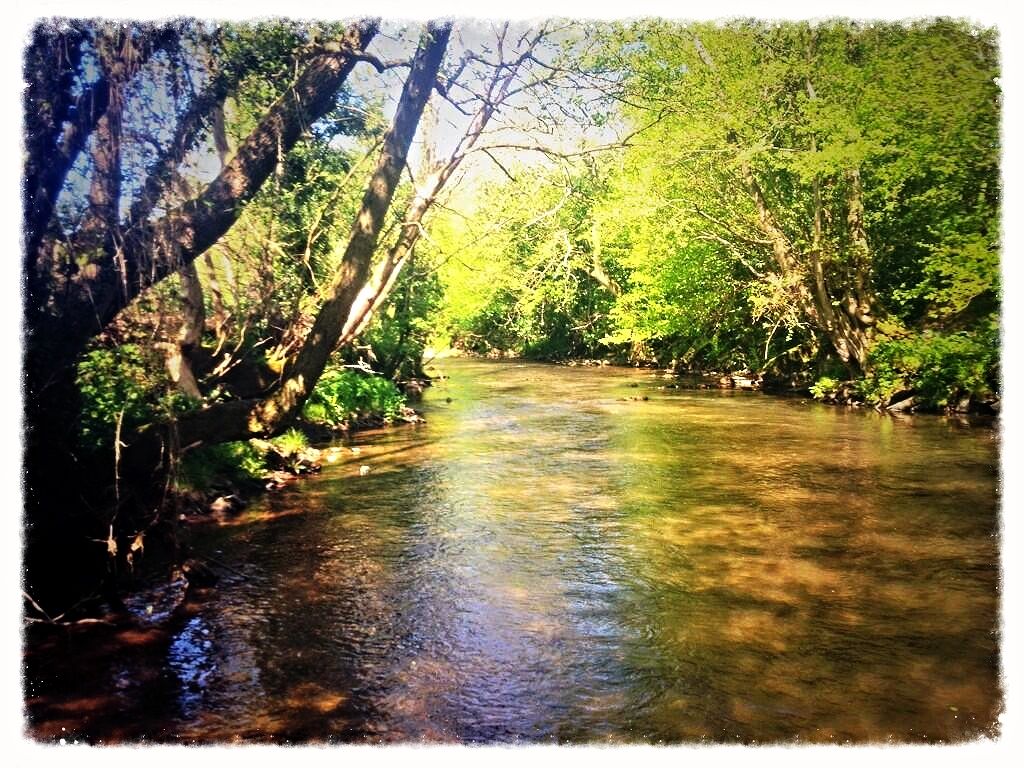
Slow water at Bryn Derwen


Ken cutting (image: John Poutney)


How did I get here?

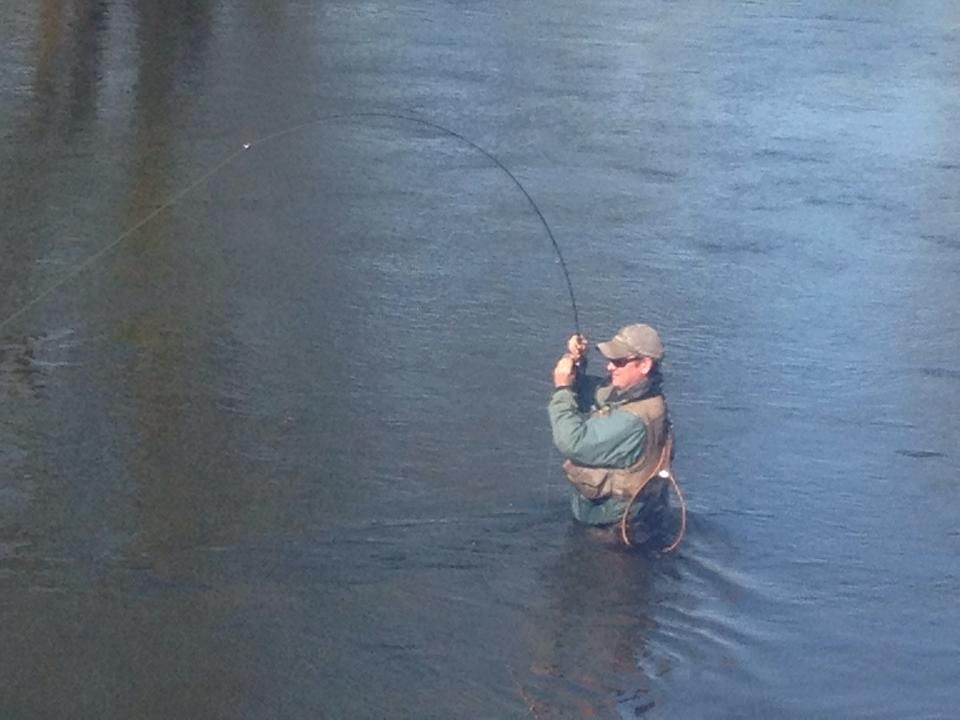
It was gone eleven thirty. The air temperature had dropped and I could just make out the daubenton bats surveying the shimmering river. I was up to my waist in water, hoping the twang of an elastic band would dry my glow in the dark fly. There were no rising fish.

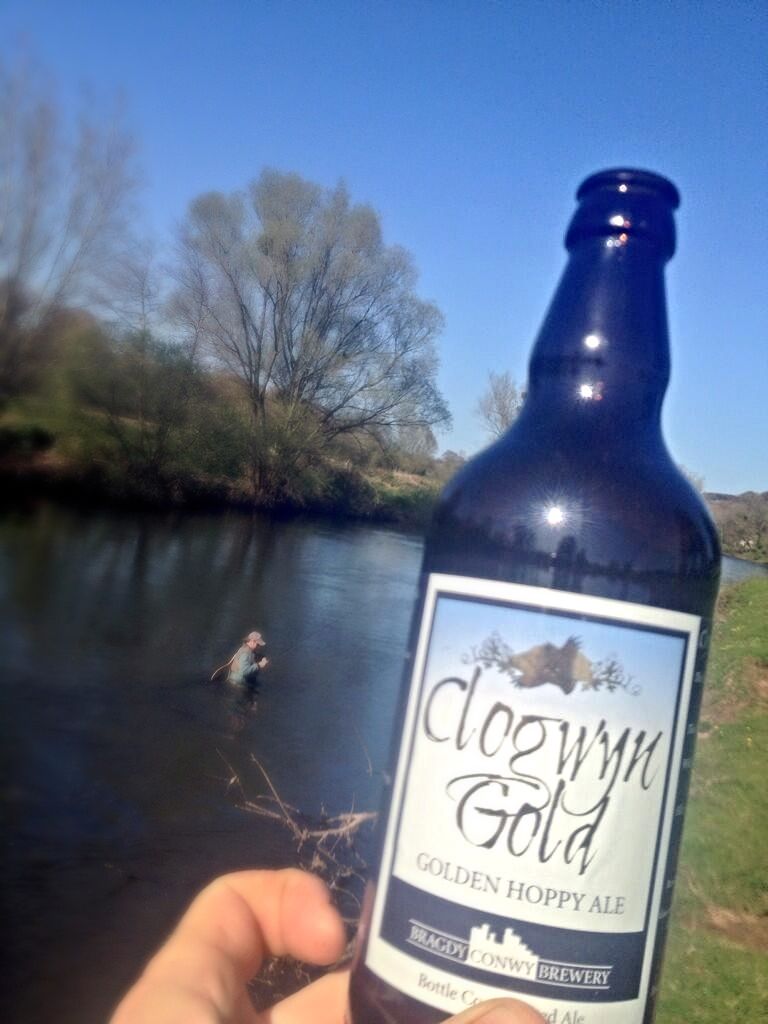
Then it hit me: at home there was a nice cold fridge with nice cold beer, and a nice warm bed with a nice warm wife. So then, why the hell was I stood in a river twanging an elastic band? 
                                                                         ...........................................


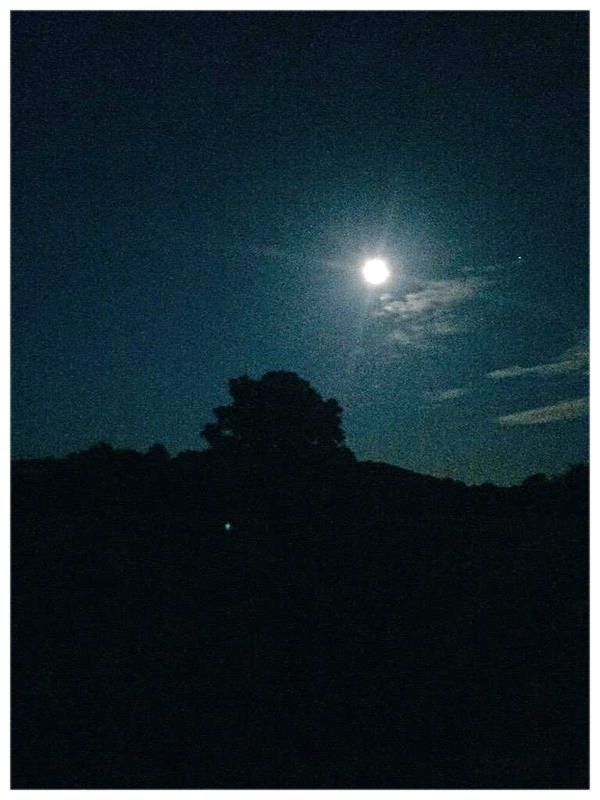
July moon


A significant hatch?


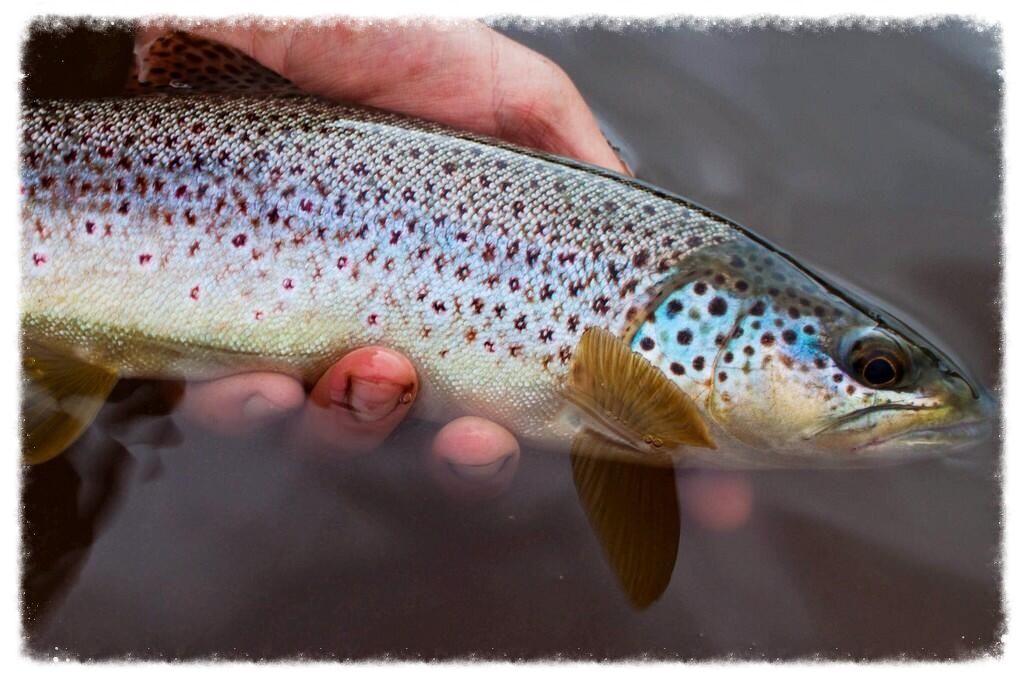
There was a sustained but moderate mayfly hatch that started during the second week of May and continued well into August. By the end of May, there were occasional fish rising throughout the day. These trout were often selective, targeting the danica and ignoring the sparsely hatching smaller upwings, sedges and terrestrials that were sometimes taken by other fish. 


Danica mayfly

While hatching mayfly were observed on warm July afternoons, the largest hatches occurred later in the day with the most intense I witnessed occurring on an early evening during the third week of July. 


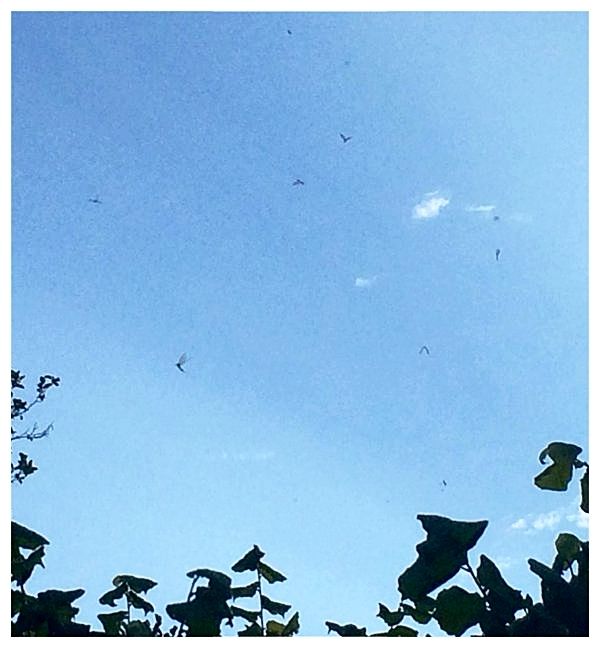
In the trees - Usk mayfly, 20th July 2015


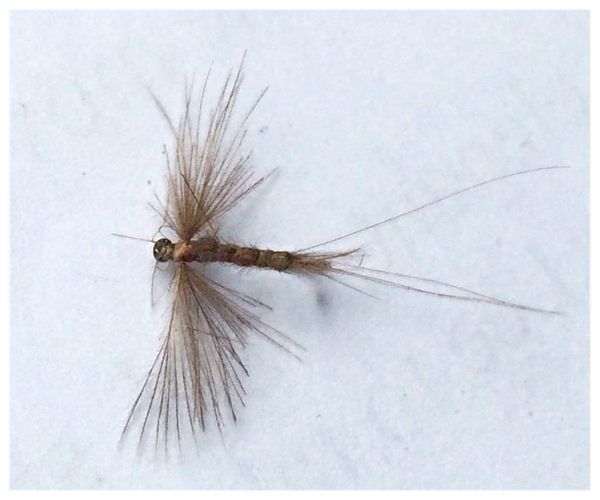
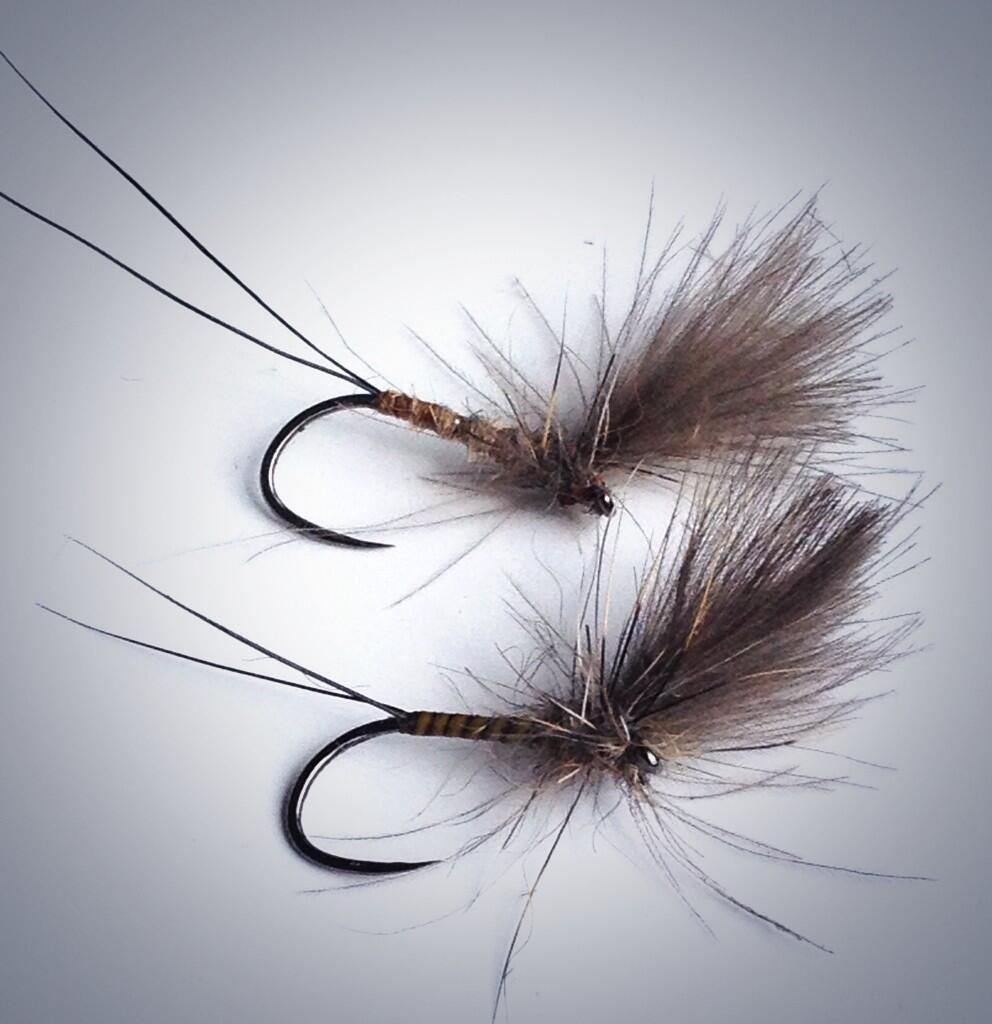
I took a good number of fish on mayfly spinners, often having to change from my usual B-WO spinner pattern to tempt those responsible for the clearly recognisable rise forms. 


Last of the danica spinner feeders, 10th August 2015

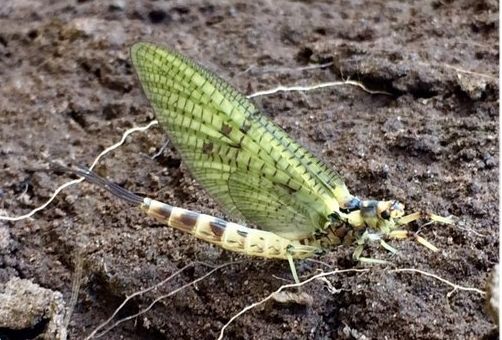
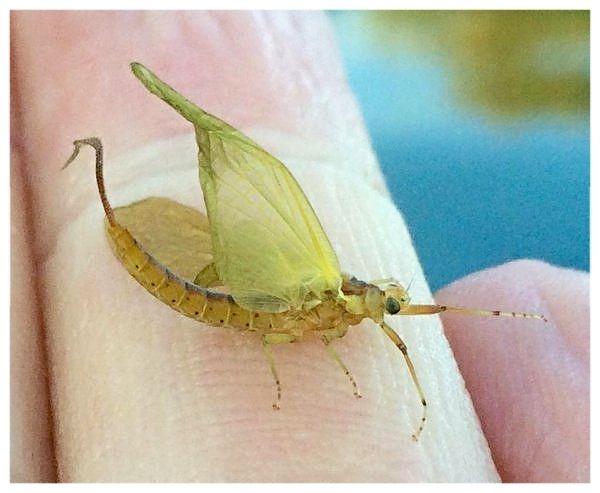
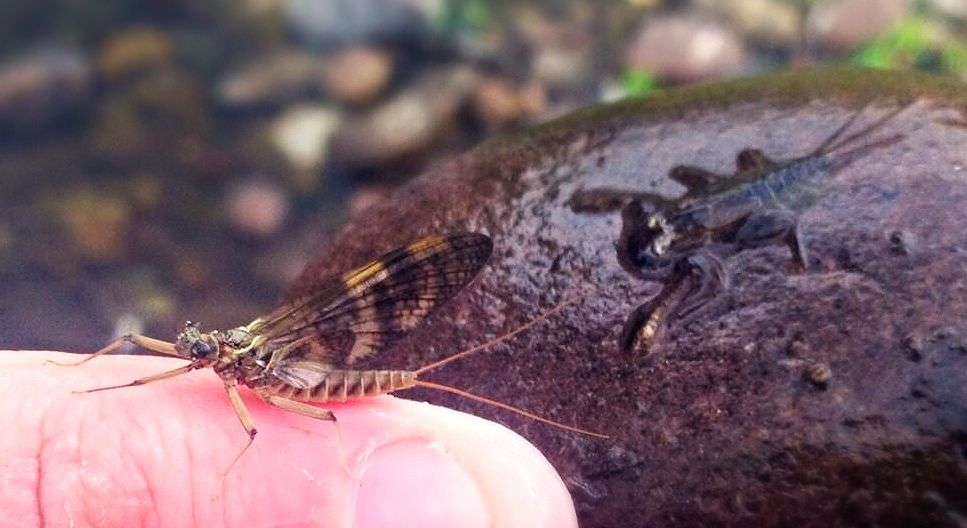
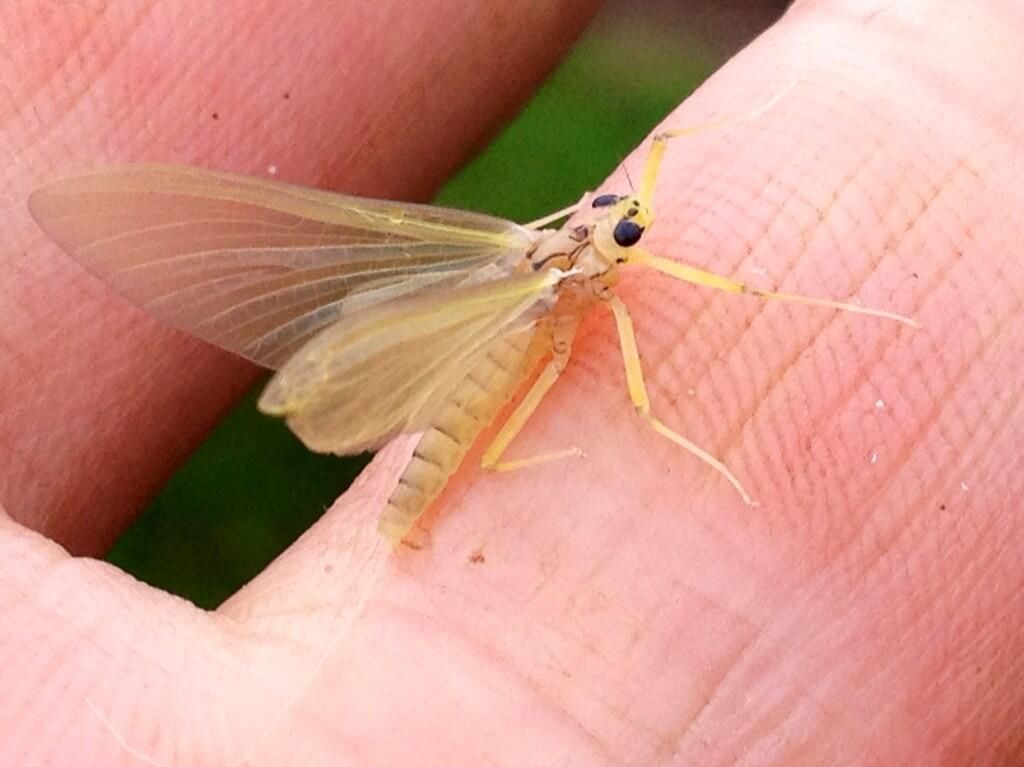
I also observed the rare yellow mayfly on four separate occasions, and even saw a small trout take one. This mayfly is only thought to hatch in the Wye and Usk catchments and was once assumed to be lost. 

Potamanthus Luteus - River Usk, 25th July, 2015


In summary, the mayfly hatch or spinner fall was rarely intense and not all fish responded enthusiastically, but I certainly benefited from the emerger, dun and spinner patterns in my box. 

A significant hatch for the lower middle Usk? Sometimes.


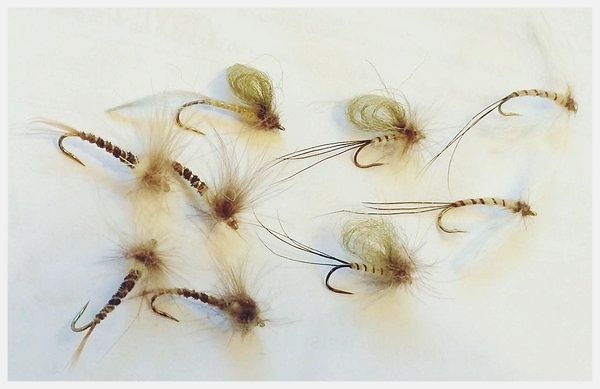
PP mayfly emerger, PP dun and spinner patterns


Blue-Winged Olives

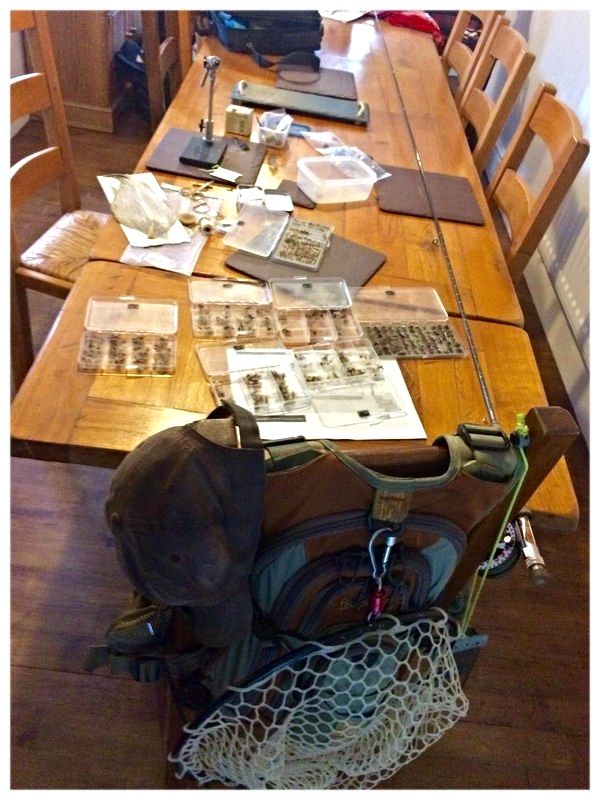
Evening fishing didn't really get going until the blue-winged olive (B-WO) became abundant in mid June. At that time of year, if the weather suits, I'll be on the river for the last hour. The Streamflex is rarely disassembled, and invariably the dining room is strewn with fishing and tying equipment. On these late evenings the fish respond enthusiastically to large B-WO spinner falls and, often intense hatches, into the darkness.


A tolerant wife...


The spinner falls provide some of the best sport to be had in these parts and by the second week in June there were numerous large fish feeding hard.


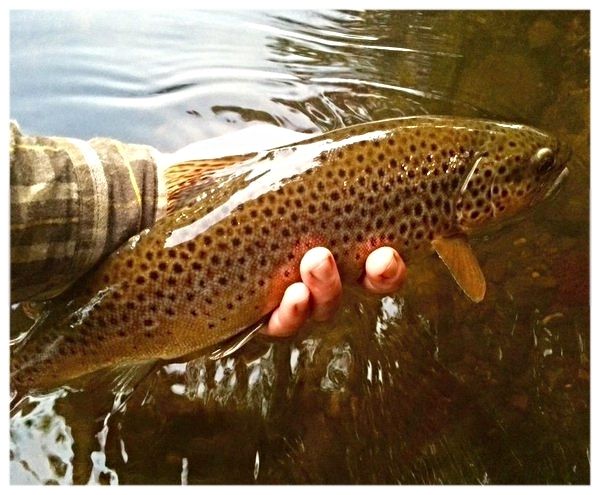
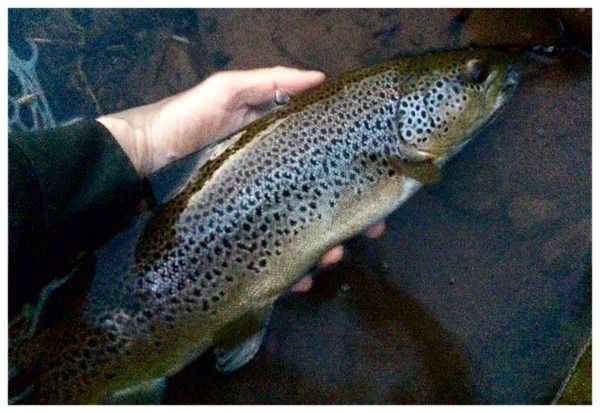
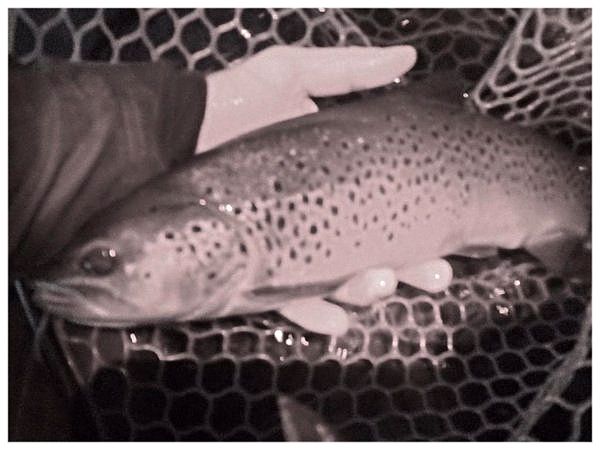
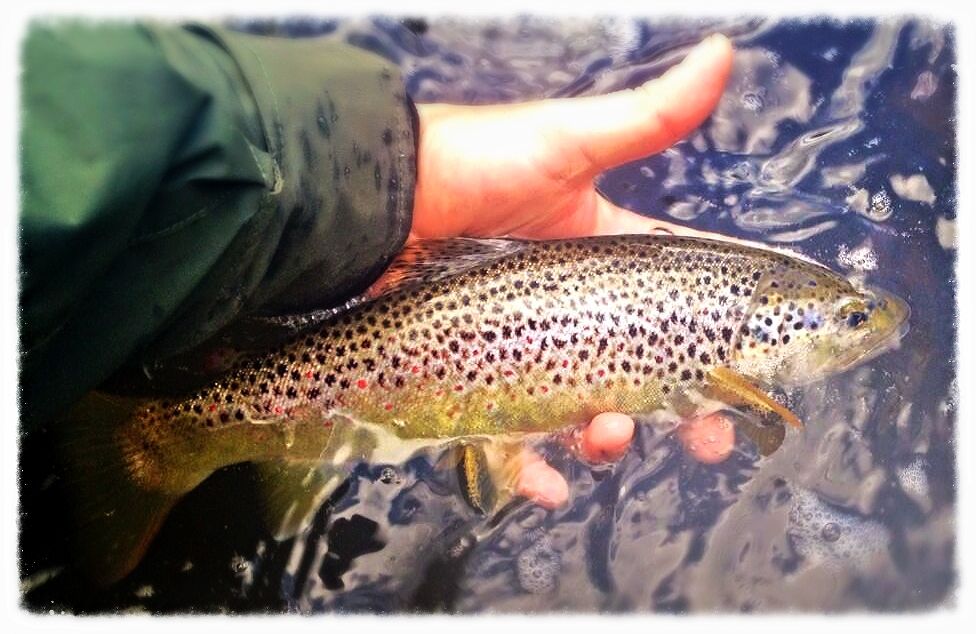
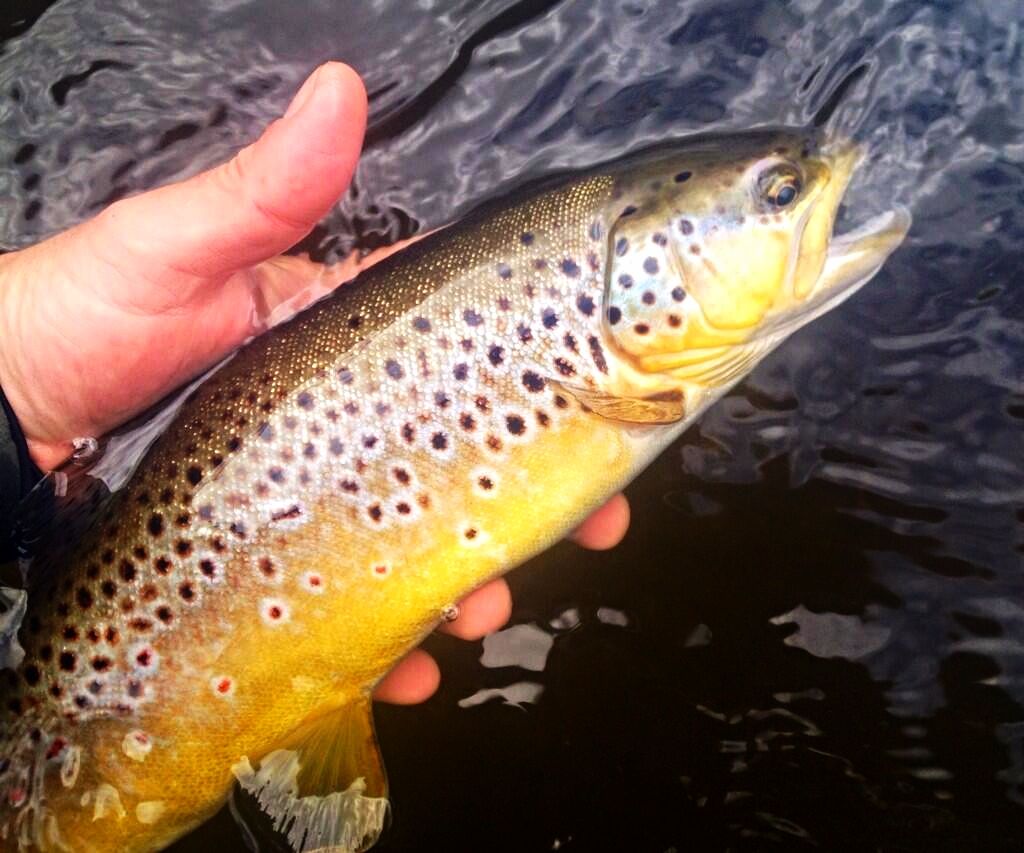
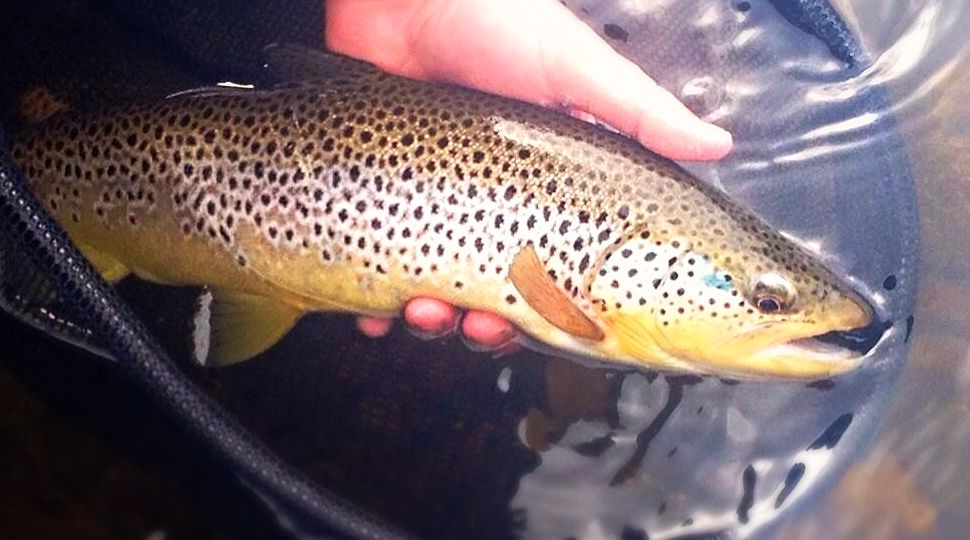
Dusk trout, 16th June 2015


In the dark


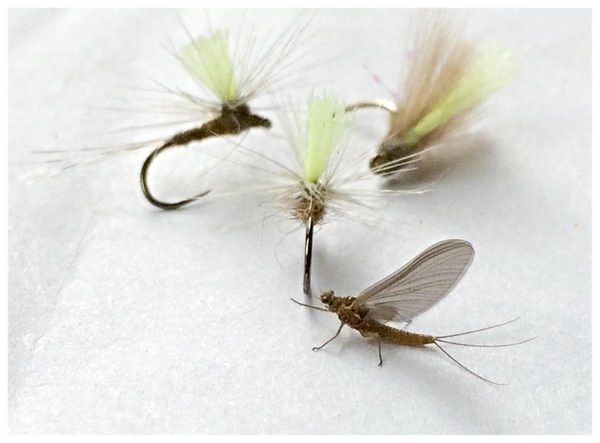
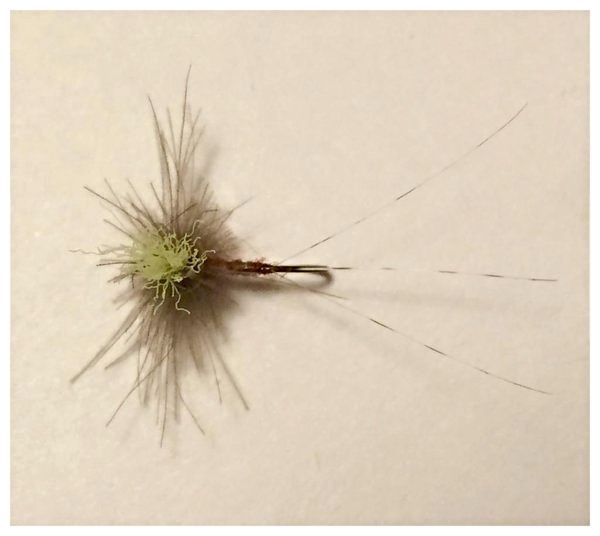
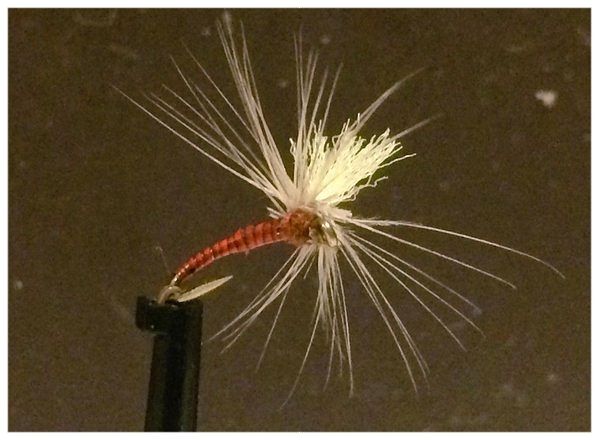
On bright sunny days B-WO hatches often start 30 mins before dark and, on a few occasions, were of such intensity that there were flies in my beard and down my neck, and I missed a couple of fish when they flew into my eyes. Invariably the trout switch from the spinners, and emerger and paradun patterns with a fluorescent green post came in handy.


Hi-viz B-WOs


As the river is usually low this time of year, it is important to play fish hard in order not to exhaust them in the warm water, and the reel drag needs to be set appropriately to cope with long runs in the shallow water. 


Light and shade (image: John Poutney)


Fish rarely respond to a spinner pattern with the slightest hint of drag. I use very long leaders (up to 20 foot) with 7X tippets and employ short slack line casts. Casting accuracy, including the distance the fly lands above the feeding fish, is important. 

This has been covered many times but, as the fish lie close to the surface, they have a narrow window of vision and do not need to deviate to feed every five seconds or so on the spinners carpeting the river. The further the cast is made above the target, the more likely the fly is to drag by the time it reaches the trout's window. In slower water, I like to tackle spinner feeders square on giving them about two foot 'lead' with large upstream mend. In faster flows, I land the fly closer, often 'high sticking' with no fly line on the water. 


Fast water spinner feeder


I use a few different spinner patterns, although my stock pattern is the fluorescent posted para-spinner that I have seen used by many anglers including Paul Procter and Matt Eastham. I have also experimented with some success with humpy, spun CDC winged, curved shank and glow in the dark variants.

Although I have Glen Pointon-type glow in the dark spinners in my box, I rarely find spinner feeders in complete darkness on the Usk. This season I think I'll focus on glow in the dark caddis as I have had some success with both dead drifted and stripped caddis patterns in the midnight hour. 


Glow and hi viz spinners 


The spun CDC and humpy patterns work well but are less durable than the standard para-spinner.


CDC para-spinner
From the top
Humpy spinner


I tied curved shank variants after finding that a klinkhammer type emerger, and even a spider pattern, would catch in a spinner fall. Many spent flies are partly submerged in the water's surface and this has been photographed by Matt Eastham and Paul Procter. They also vary significantly in colour, have tails missing and often do not lie in the 'crucifix' position. 


Curved shank spinner


Hard earned

To my mind, catching large fish in a spinner fall provides some of the greatest rewards in dry fly fishing. I can recall evenings from years ago where tens of big trout were rising and I trudged home, broken, having caught only a few small fish. Those experiences spurred me on to solve the riddle. It became an obsession where the next evening couldn't come quickly enough and resulted in hours spent on the river in the twilight.

While I haven't completely cracked the code, in the main, those deeply frustrating evenings are behind me. Time spent away from cold beer and warm wives has paid off. 

I'm always learning but it feels like I'm getting there. 


Summer light  (image: John Poutney)

Tuesday, 3 June 2014

Reap What You Sow, River Monnow, May 2014

Reflections, Saturday 3rd May

The morning session with Dave had been superb, very challenging but, when we got it right, we were rewarded with some beautiful upper Monnow trout.

Monnow blues


Playing a Monnow trout


By mid-afternoon, while Dave was off searching for kindling to light his barbecue, I enjoyed a beer and took stock in the quiet of the valley.

I recalled a hot summer's day nearly thirty years ago with my father on the Taff Fechan. We hadn't seen a fish and were about to call it a day but, fearing the blank, I persisted with upstream worming tactics, trying to cover a very difficult eddy beneath a tree canopy. After ten minutes (and a snapped line) a fish took, certainly not the biggest, but one of the best. I remembered everything; the take, the way the fish skipped across the surface and (later), the search for my father's pipe after he drove off with it on the roof of his van! I concluded that, more often than not, fishing is like most things in life: you get out what you put in. 


The careful approach - the fish was lying in the slack water on the left


The fight


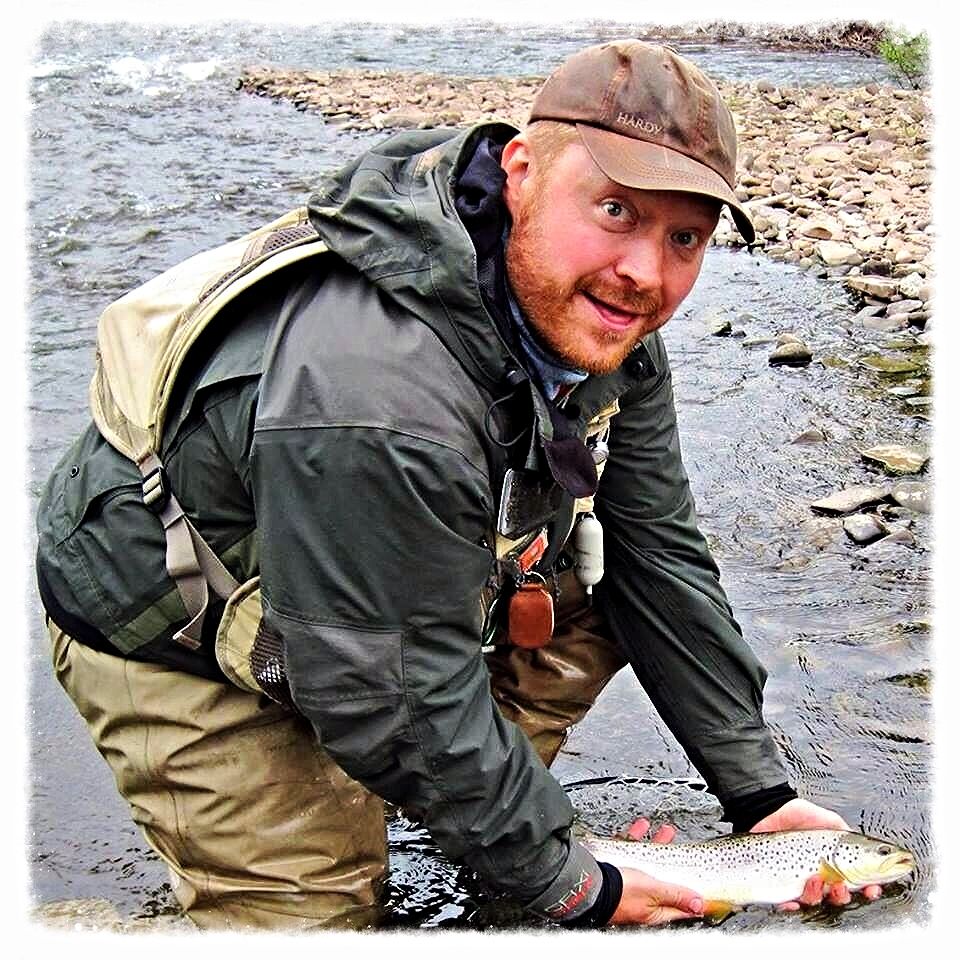
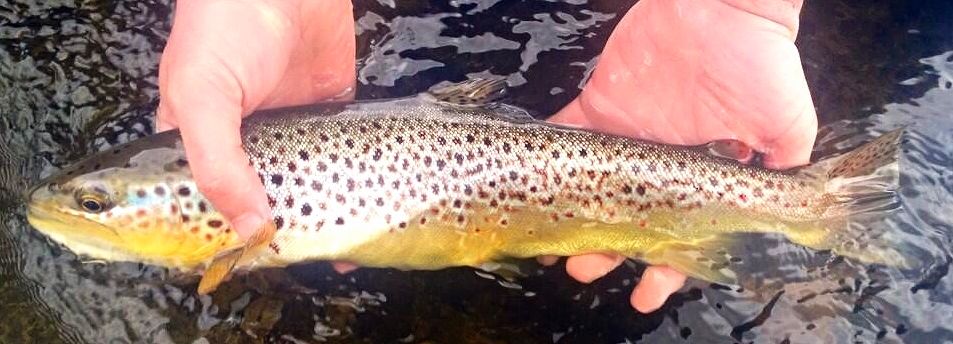
The prize - 17 inch Monnow beauty


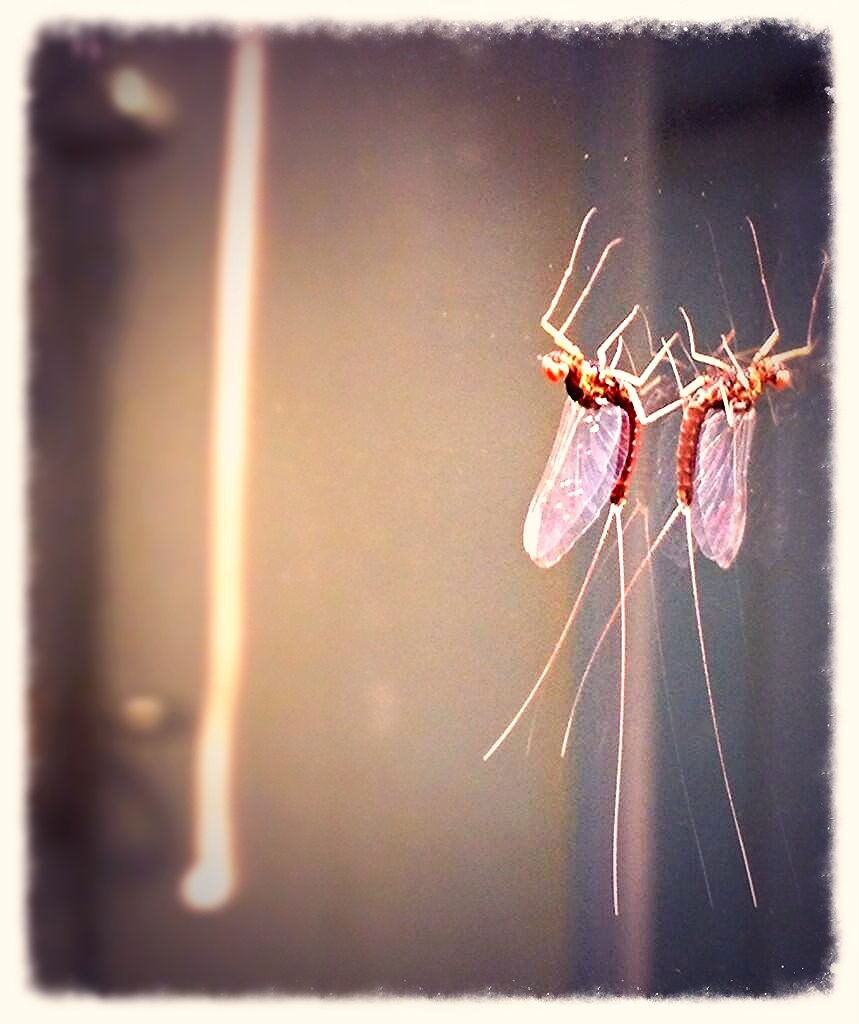
Brushing my teeth that morning I noticed a female LDO spinner on the bathroom mirror. Was this a sign of things to follow that day? I suspected not. Dave and I anticipated a hatch of Large Brook Duns (LBDs). This proved to be the case with fish targeting the emerging duns in the faster water.


Reflection

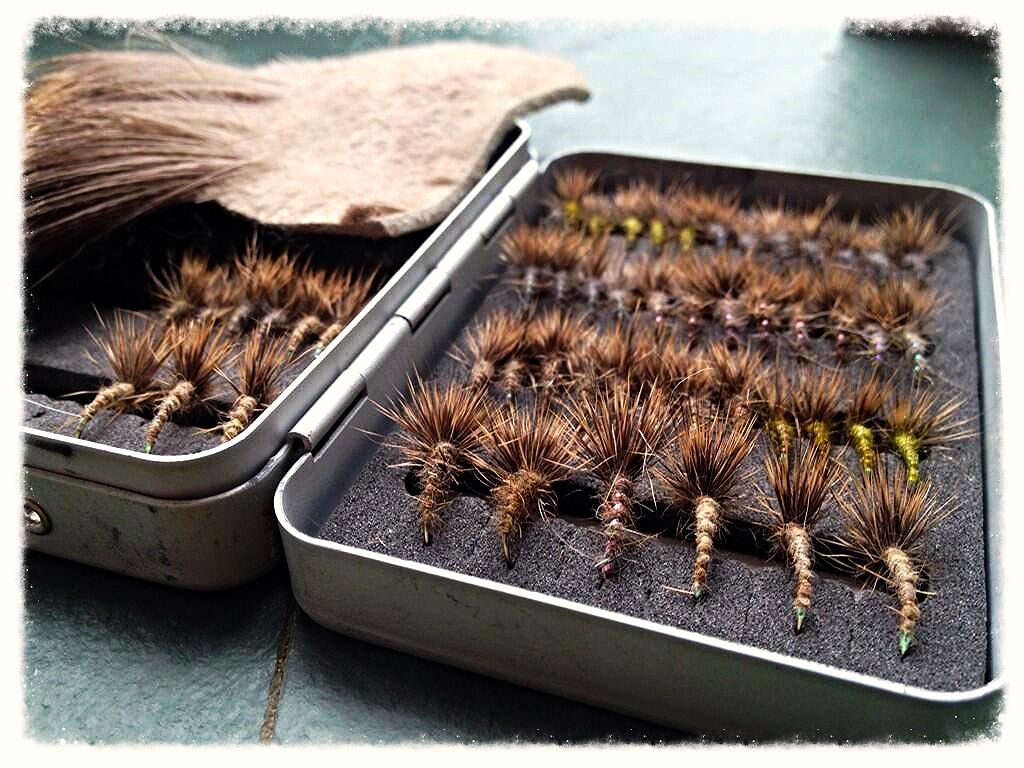
We had taken it in turns to cautiously cast to those we spotted. Most of the surface feeders were taken on a size 14 pearl butted Wyatt's deer hair emergers (DHEs), one of my favourite flies for this time of year.


Wyatt's DHEs
When Dave managed to light the barbecue and cook our steak, we discussed the excellent conservation work that had taken place in the Monnow catchment and the upcoming Monnow Social.

Healthy lunch


Monnow Rivers Association (MRA)

A Potted History:

1998 - The DEFRA funded River Monnow Project commenced, and created the Monnow Fisheries Association (MFA) (now the Monnow Rivers Association) to improve the capacity of the river to support wild trout, grayling and other wildlife. Partners included the Game Conservancy Trust, the Wild Trout Trust (WTT), the Farming & Wildlife Advisory Group (FWAG) and local farmers.

1999 - A detailed survey of river habitat of the upper Monnow catchment identified important wildlife habitats and the extent of degradation resulting from livestock access, and quantified issues resulting from unmanaged bankside alders. The project offered farmers a programme of stock fencing and coppicing of bank-side trees and included a 10 year monitoring programme.

2003 - The first coppicing season commenced and continued annually until completion of the project in 2006.

2006 - The team continued to work with the
Wye and Usk Foundation and farmers to adjust farming practice to reduce siltation in spawning areas, improve fence maintenance and ensure re-coppicing of riverside trees.

2010 – The MRA initiated the ‘Going Native’ programme to maintain and expand habitat management and eradicate invasive species such as mink, signal crayfish, Himalayan balsam, Japanese knotweed and giant hogweed.


Key achievements:
  • The River Monnow Project:
    • Largest ever river habitat restoration project aimed at improving the stocks of brown trout and grayling (£1.5M and countless man hours)
    • Defra funding (£1.1M) was a record for such a project
    • No comparable project had been as comprehensively monitored or involved as many partner organisations
    • Met or exceeded DEFRA targets
  • Improved the fishing quality and enhanced the value to farmers and landowners
  • Eradicated mink and Himalayan Balsam
  • Water voles were reintroduced to the River Dore (Monnow tributary) 

On-going work of the MRA:

  • Volunteers monitor and trap mink that enter the Monnow catchment
  • Active participation in the Anglers’ Monitoring Initiative (monitoring fly life)
  • 'Going Native' continues to reintroduce important native species such as water voles, white clawed crayfish and ranunculus
  • Continued marketing to increase the number of anglers visiting the river
  • Engagement with local schools through the WTT’s ‘Mayfly in The Classroom’ project
  • An annual auction and ‘The Monnow Social’ fund raising event


The late Peter Lapsley fully describes the achievements of the Monnow Rivers Association (and two of the people behind it) in his excellent FF&FT article ‘Men of the Monnow’ (February 2012 issue).


The quiet Monnow Valley

The Monnow Social, 9th - 11th May

Every year the MRA invites supporters to eat, sleep and be merry in a field on the Monmouthshire / Herefordshire border, and share in the fruits of their labour by fishing the River Monnow and its tributaries (see last year’s blog entry).

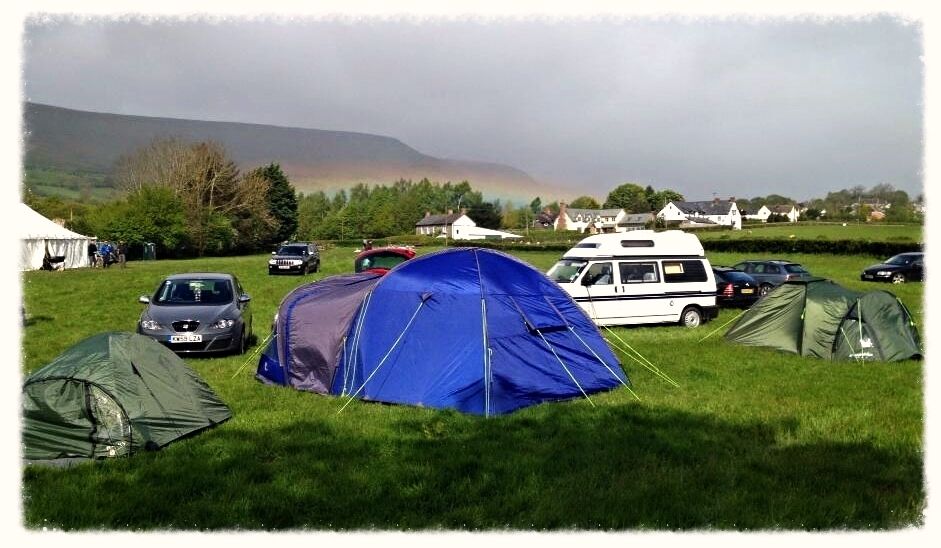
Longtown camping

Escley Magic

The forecast for the weekend was worrying with strong winds and heavy spells of rain predicted. I turned up early on a showery Friday afternoon with the intention of fishing one of the local brooks. After setting up camp and catching up with fellow Merthyr boy Gareth (who ties some of the best flies), I had the pleasure of watching Geraint land a lovely pounder from the slightly coloured Escley Brook at the bottom of the field.


The tranquil Escley Brook
Under strict instructions from Rob Denny of the MRA, I drove down river to a picturesque stretch of the Escley. I was pleased to note the abundant fly life that included LDOs, chironomids, LBDs and a couple of budgerigar sized Danica mayfly. A good number of fish, including three over ten inches, were taken on black gnats, DHEs and (in the deeper runs) silver bead PTNs.


Escley trout
When I returned from my foray downstream most of my fellow fishermen had arrived and I spent the evening catching up with friends old and new.

The Raspberry

It was with bleary eyes that I enjoyed a cooked breakfast in the main tent on the Saturday morning. I expressed my concern that the main river would be colouring after the overnight rain. Those more familiar with the Monnow reassured me that I was being an old woman. I was delighted to learn that I would be on a lightly fished beat of the main river below Kentchurch and would be joined by Kris Kent.

We had a cracking day. 

As ever the fishing was challenging but the trout came steadily. Kris was easy company as we took it in turns to target rising fish or work through runs.


On the Edge - a number of fish were lying in the back water beneath the tree


There was an 8 inch trout behind the log


The largest fish of the day was landed by Kris and I was clearly over the moon to net and return it for him.

My special fishing face


Kris' 16 inch Monnow trout


Kris caught most of his fish on dries whereas I caught around half of mine on nymphs, mainly in the morning. In the early afternoon we arrived at a pool that held two rising fish. It was Kris' turn and he efficiently hooked and landed the first, although the return wasn't as polished.


At 6'4'', Kris 'making them look small'
Caution: slippery when wet


The second fish looked big and was bubbling away in a back eddy in front of a protruding root. The position meant that if the trout didn't take my olive emerger then I would either have to lift off quickly and spook the fish or pull it slowly and risk hooking the root. With a wry smile, Kris settled down on the bank - he expected to be there for some time.

My first attempt resulted in a connection, unfortunately, with the root. Tying on a new tippet and fly gave the fish enough time to start feeding again. The second attempt went exactly the same way, as did the third. I'm ashamed to say that feeling a bit like Robert the Bruce's spider I was tempted to come back to my nemesis after lunch.

As I was tying another leader, a patient Kris - who, by now, had opened a beer - noticed the fish take a mayfly dun. The first we'd seen all day.

The fourth cast was made a good half an hour after the first and my Procter mayfly emerger was confidently accepted. That it wasn't as big as we'd thought didn't matter one bit; I was very pleased to have caught a difficult fish.

After lunch Kris and I spotted a rise in some slow water. I cast a few times and elicited no response. As it didn't rise again, Kris walked upstream to look for more surface feeders. A new fish then rose downstream of me in the main current. I collapsed my cast and, as I lowered the rod tip to maintain drag free drift, a large burgundy-looking mouth engulfed the fly. Immediately, I knew I was connected to a very good fish (or a 'raspberry' as they are referred to on the Monnow) and I shouted for Kris who, unfortunately, was out of earshot.

The fish ran hard  downstream towards a stand of willow on the near bank. With two thirds of my line off the reel and the rod high above my head I applied side strain before it made the roots. This proved futile and, as I watched the rod arc and the fly line tighten over the water, I felt that horrible sudden release of pressure as my 6x copolymer snapped. I'd lost two very big fish in two weeks and wasn't even in that contest. Another 'raspberry' blown.


Calm before the storm

It was with a face like a fighting man's posterior that I walked upriver to show Kris the two stubs where the tippet had snapped below my tucked blood knot (where it goes through the eye of the fly).

That evening Kris informed that I had looked like I was going to cry. Noting Morgan's comment that I should stop taking things so seriously, I drank deep.   

LBD Heaven

At breakfast, after a long and hilarious evening that included the brilliant Monnow Social Auction, I was informed that I would be accompanied on another lightly fished upper main stem beat by Dorset duo John and Ian. Again, I'd got lucky.

Dave showed us the beat and by the late morning I was using duo tactics to tempt several fish, all over 10 inches. As very few were rising, John was also nymphing but Ian had caught a trout of over a pound and a half on the surface.


Well marked Monnow trout

In the early afternoon the LBDs began to hatch. Knowing that the fish nearly always respond, I changed tactics. The hungry trout readily accepted my DHE, until I came to a tree lined stretch where (by now) rafts of LBDs were sailing into small back eddies formed by roots of alder and willow, and where feeding fish lay in wait.

The eddies were small so I had to land the fly quite close upstream of the fish. A dun pattern (pictured in my last entry) was better suited to this tactic and stage of the hatch.

I picked off numerous fish while marvelling at the average stamp. The trout were comparable to those caught on a good day on the Usk.

At the top of the run, in the first small back water, I cast to a dimple rise. My target took first time and, as I'd just had some practice in turning these fish from the roots, I manoeuvred it into open water. I slid the net under the 18 inch trout and observed the broad silvery form of a fantastically conditioned fish. Not quite a 'raspberry' but just as memorable.  


Return on investment - an 18 inch Monnow LBD feeder


With the run fished out (for now), I walked upstream to find my companions and was very pleased to see Ian and John catch a number of good fish on LBD and mayfly patterns.

Sitting on the bank, I heard a familiar, barely audible sound. I watched the main bubble lane and noticed the occasional LBD almost disappear. There was a big fish sipping duns or, as my mate Aled would say, "giving them a sws" (a little Welsh kiss).

I took a few deep breaths and cast. The fish rose and I struck fresh air. I sat there for another thirty minutes and it didn't resume feeding; I'd spooked it.  After that I returned every half an hour but didn't see it again. If I ever get invited back (CLANG!) then that's the first pool I'll be heading for.


Just Desserts

I was born on May 10th and had a superb birthday weekend both fishing and socialising. The Monnow catchment is one of the best managed in the UK and it was a privilege to pursue such quality trout in the serene valley.

The persistent hard work undertaken by the MRA to improve this unique river is clearly reflected in the four days of excellent fishing described above. In this case, we all get out what they put in. 


Monnow Valley rainbow

*Thanks to Dave Smith and Kris Kent for a few of the shots above


Wednesday, 7 May 2014

False Starts - River Usk and River Taff, April 2014

What a Difference a Day Makes

Bryn Derwen, River Usk, 12th & 13th April


It was Saturday morning. I had grilled a few cuts of Raglan pig and was relieved when Welsh exile and itinerant angler, Morgan, arrived on time. We had not fished the new beat together and, even though the river was up 15cm and (worse) there was a stiff easterly wind, I was eager to get out.

We had two days and, so rather than just fish a single beat, we drove a mile or so downstream to Llan Farm (GAS water). Upon arrival, the wind funnelled upstream and it was clear I had made a poor choice. A false start.

Back upstream we fished hard until 5pm with only a few fish taken on nymphs. We located no surface feeders and saw very few flies, even in the sheltered spots. The wading on this deep wide beat again proved challenging. The river appeared dead, and we concluded the grannom emergence, that promised much at the end of March, had fizzled out. I was not disheartened as the forecast was far better for the Sunday and the river was dropping fast.

Following more local bacon, and with heads as clear as the spring sky (we must be getting old), we were pleased to be met by still conditions. Immediately, we noticed a few egg laying grannom bouncing on the surface film and were delighted by the sight of a few rising fish.

A better day

We assumed they were feeding on the spent sedge and selected size 16 split wing CDC and Elk patterns. As fish were again feeding on the far bank, to achieve successful presentation we had to wade deep and cast long; a large upstream aerial mend and a sixteen foot leader helped to achieve the essential drag free drift. When the cast was timed correctly and the presentation spot on the fish accepted our flies and we caught most of those we targeted.


17 inch Bryn Derwen trout


Deep wading reaps rewards
Morgan is a purist at heart and I was pleased that he had some top of the water sport in the peaceful surroundings before his two hour drive back to the rush of the City where they ‘don’t have weather’.

Spectator sport

The Leviathan

Upper Taff, 26th April


Dan arrived for breakfast at mine (more pig) before we planned to fish the Usk. I was worried due to the previous day's rain. As we walked, river bound, through protective ewes and curious lambs, I could make out the reddish brown water. Another false start.

Retracing Dan’s journey, we arrived at the elevated and slightly stained Upper Taff at 10.30 and elected to fish duo tactics with small silver and copper bead PTNs on the dink. This was my first time on this part of the Taff this season and I was excited by the prospect of the eighteen inch plus fish that we often spot in the shallow river.

We worked our way upstream taking it in turns to fish through the runs, with both of us catching four or five fish to nymphs. The river had changed over the wet winter and there was a strong and gusty southerly wind that I thought would kill any top of the water sport.

Upper Taff trout

At a favoured long, slow pool the recently arrived house martins were hammering a big hatch of Large Dark Olives (LDOs) and Large Brook Duns (LBDs); a superb site in these urban surroundings. Dan nodded at the river – ‘here we go butty’.

I know no one that understands this piece of water like Dan. He is an instinctive angler and can spot and catch Upper Taff trout in water that most would walk past (or wade through). Just as Morgan was my guest at Bryn Derwen, I was Dan’s there.

We started fishing LDO (emerger and then dun) patterns and caught a few to fifteen inches. We missed only one that I put down when the wind caught my line. Frustrated, I stood and waited until Dan beckoned from further up. In the fast water above the pool, LBDs were hatching in abundance and we needed to change patterns.

Before and after - Large Brook Dun nymph and sub-imago


Large Brook Duns

Hook: Size 14 - Hanak H 130 BL
Tail: Moose mane
Body: Golden olive quill or light hare's mask ribbed with brown Hends body quill
Thorax: Darker Hare's mask with guard hairs
Wing: CDC


Dan gave me one of his LBD patterns (see similar above). We targeted feeding fish that were on the fin traversing the shallow, clearing river. When fish and fly coincided, we connected. These fish were in superb condition and Dan caught the largest at eighteen inches.
 

18 inch Taff trout

Another to the LBD imitation
We continued to another deep pool, spotting a good trout, I covered, hooked and landed it. It was a wild late afternoon with driving rain and howling wind. We were nearly ready to go home but I elected to have a few last casts with a nymph. As I changed my fly, Dan commented that he could make out the movement of a fish lying deep.

He was right, and it took my size 18 silver bead flashback PTN first cast. For a second it felt like the bottom, ‘Big fish butt!’ I shouted, then all Hell broke loose.

It was a monster brown trout that tail walked and then jumped three times. I swore repeatedly as the fish ran to every snag in the pool, then at me, then at Dan who turned to laugh at the bend in my rod (and the look on my face). In what must have been a comical scene for passing motorists, I bellowed over the wind (melodramatically),

‘It’s going to pop!’ With one hand on the handle and the other on the blank, I kept the rod high and applied side strain as smoothly as my shaking hands would allow. During the ‘jumping phase’ I had noted that the fly was visible in the fish’s mouth but now Dan, who was in the water waving my net, had some unwelcome news.

‘I don’t want to worry you, but the fly is now in his back’. I suspect it dislodged, and relocated, on the last jump and felt sorry this was no longer to be a fair catch. I still wanted my picture with the bugger though and so, with pulse booming in temple, did my best to pump the rod and bring it over my inadequate net. There may have been a split-second opportunity for a lunge (I doubt it would have worked), after which the angry trout ran hard towards a boulder and the fly worked free. As he saw it for longer than me, I asked Dan,

'How big?'

‘It was a leviathan!’ was all he would say.

On the walk back to the car we made determined noises about ‘getting him again’.

Like a Pig


This April, the local rivers didn’t disappoint and from what I’ve seen and heard from others, some quality fishing was had throughout Wales (particularly on the Upper Wye and Usk). I’ve recently seen a few Usk Yellow May Duns and Mayfly; with these hatches to look forward to, and the river on my doorstep, I’m (as a neighbour recently joked to my wife) ‘like a pig in shit’.

Yellow May Dun